
CATEGORIES
#Gen Z #Social Impact #TechnologyOverview:
- Languages like Odia, Bhojpuri and Santhali have remained unpopular among people due to lack of representation among other reasons.
- While regional music has gone global with instagram reels, the concern is whether the culture is being respected or re-packaged.
- For many, heritage has turned into trending hashtags, the identities of these cultures and languages are still in question.
- There is strength in short-form and, only as long as we use it purposefully and acknowledge the credits due.
Reels & Revival: Culture at A Scroll
With every scroll desi pop, indigenous and regional music is gaining popularity back on social media. For many music pieces, it is the first time to create a global outreach. India houses varied regional languages with more than 1,600 languages and dialects that are spoken across the country. However, many languages have remained under the carpet. Languages like Bhojpuri were stereotyped to be vulgar. But many international stars today are creating their own rendition with a trend on social media today. Languages like Odia and Santhali, once unheard of, are now on everyone’s tongue because of a music feature in memes. It feels great to hear a different community praise your music, culture, and language. Doesn’t it?
At least to me it does. Coming from a humble Odia family from the east of India, I’ve been proud of it all. But I never imagined the scale it would go to creating a wave. All thanks to GenZ creators, social media meme pages for opening new perspectives on vintage art. But what requires due attention and credit are also the original creators, artists, and the intent of the creation.
This article takes a closer look at the magic out of the hat and what it has actually turned into.

From Folk to Feed: The Rise of Regional Languages
English and Hindi have interlaced Indian digital content in the last few decades. Be it the YouTube creators, the OTT platforms, or social media influencers. There were no regional voices or they were tokenized. Short-form content however revolutionized the scene completely. Poetry in many dialects like Bhojpuri that have too long been subject to a sense of classism and sexism. They are getting a new voice and new perspective that is relatable and celebrated. This is a voice that is spoken often in powerful verse and in brutally local tales. The tribal language of Santhali, which has a recognized script by UNESCO, is finally talked about because of social media.
Odia’s Moment of Fame And Its Lingering Invisibility
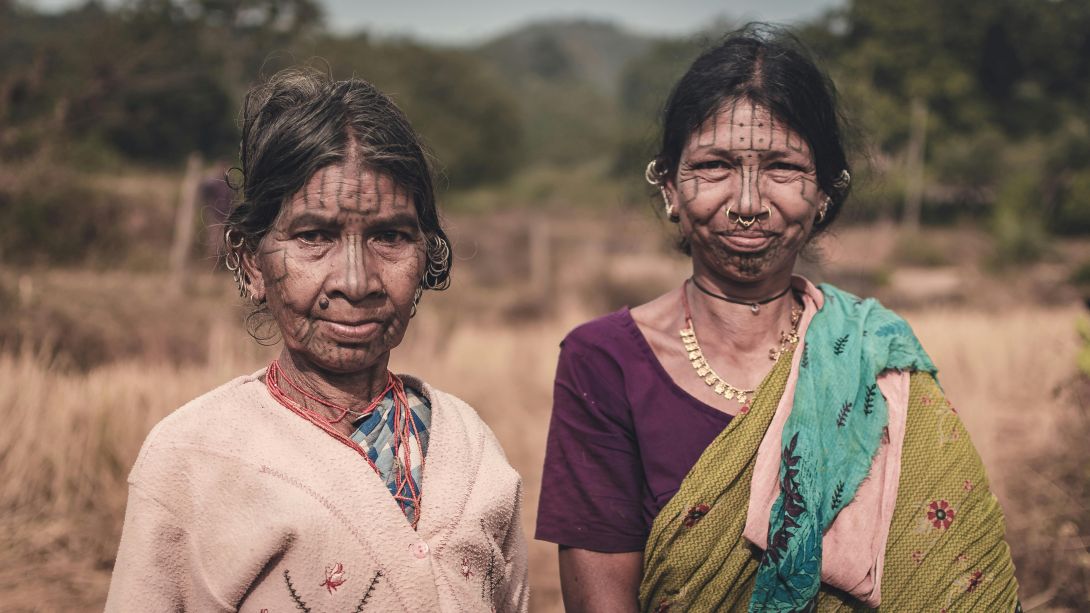
A song that forced every creator to vibe to its melody was “Chi Chi Chi Re Noni”. It was trending worldwide in April of 2025. One thing no one knew about it, that it was a folk song from Odisha, a state in India’s east. The most interested viewers seldom paused to say: What is the source of this song? The music went viral while the language remained invisible.
With more than 40 million speakers, Odia has an honorary title of a Classical Language of India. However, it is significantly lacking representation in Indian pop culture, music, cinema, and digital content in particular. The trend definitely put Odia folk music on the world map and sparked some curiosity, discussions and community pride.
The Visibility Dilemma
It goes beyond a trending reel to being an indication of a bigger trend in the digital world. Languages appear to have been aestheticized, without their existence being recognized.
Culture has become viral in the form of reels so much so that they rob culture of its context. Just imagine the amount of reels you have seen which featured Tamil rap, Punjabi beats, or even Assamese vocals. Yet, had no clue about what the lyrics said or, even who the people behind it were.
These fragments drop into mainstream feeds as background music, rather than as august depictions of self. And that is not sincere. Since recognition is necessary in order to revive. And unless something is done to revive them they will continue to disappear.
Is Reel Representation Enough Representation?
Like Odia or Bhojpuri many regional languages are ambushed by their popularity. Content is still so skinny on the Net? Creators are struggling to push their art with algorithms. Social media is a great platform for finding voices and representation. But what’s on reel needs to address real representation. Not only voices and faces, we need real stories behind them. A real context, where the art stems from and its origin. This differentiates reviving from reliving.
The Double-Edged Sword of Trend Culture
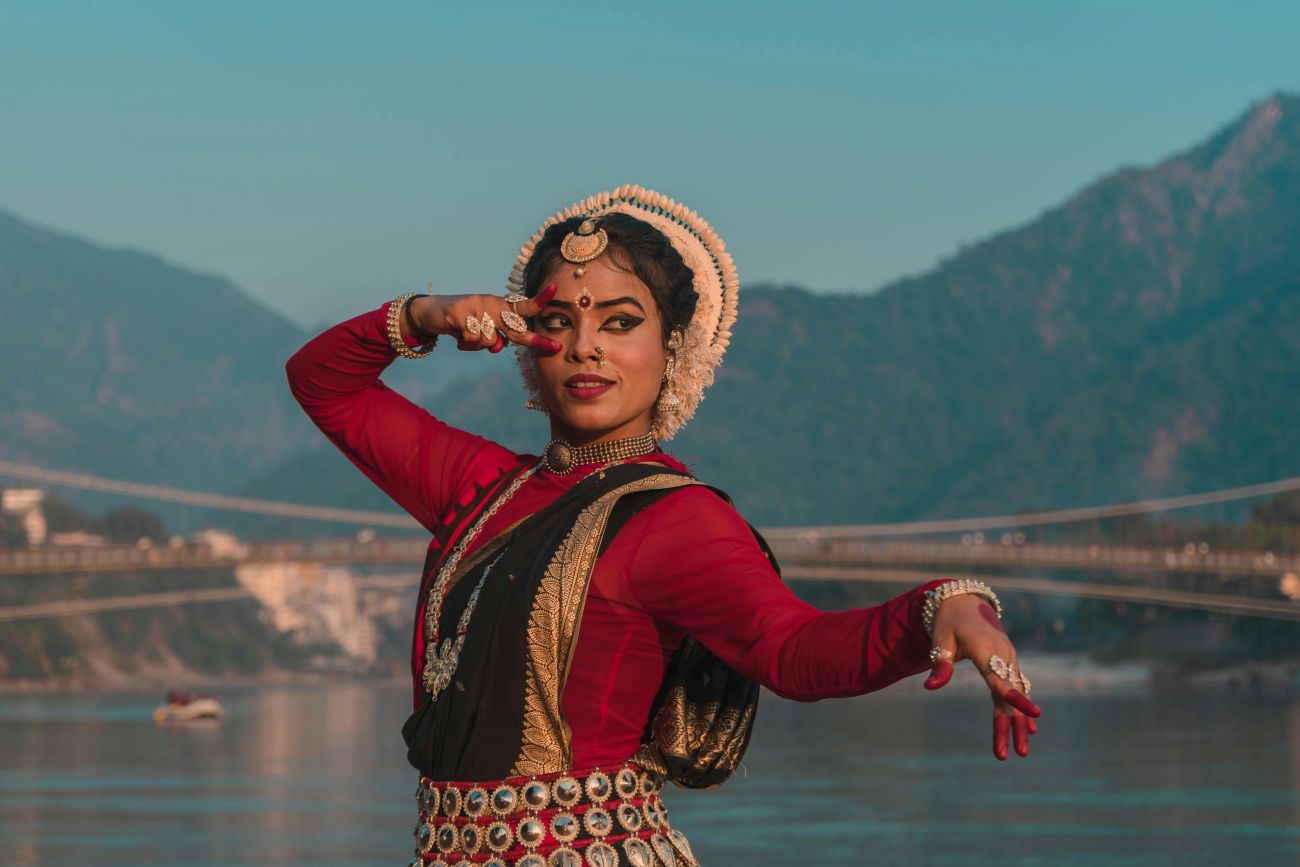
Reels are fun,relatable, peppy, and indulgent. But the 1 minute entertainment capsule can chip at authenticity and acknowledgement. They can reduce a 1000-year old folk tradition squeezed in 15 seconds to acquire no significance. With an outlet for the global community to reflect their identity, there’s a risk of commercialization. A Santhali piercing becomes popular on the gram, yet it is not mentioned by name.
Then there is cultural appropriation. The gram is filled with non-native speakers using regional lyrics without knowing the context. Even while creating for entertainment purposes, they tend to flip it to their own expression. Creators are using Odissi gestures in Bollywood-type choreography. This counts as a type of digital erasure masquerading as the representation. Celebration of diversity comes with awareness, acceptance and acknowledgement.
Lessons from the Margins: The Untapped Power of Community
There’s a silver lining though. Several content creators, illustrators have started creating and promoting art in their mother tongue. People are owning their culture, identity and owning it online. The Maithili traditional song artists are popularizing the language as outspoken, women-centric, and poetic. These designers are not trendsetters. They develop stories, inform their followers, and establish micro-movements. And what is best of all is they are in charge of their identity on the Web.
Culture and language struggling to gain momentum need to complete the core work. Creations, re-creations need to be backed by sensibility and regards. While virality can wear off, knowledge aids in transfer that is not broad but long and impactful. Representation and revival can strongly stand on this knowledge and awareness.
Conclusion
Reels are neither rightly representing culture with credits nor are they slaughtering it. We need to understand this quickly evolving landscape of expression but ensure authenticity too. When wielded with cautiousness, deliberation, and imagination, short-form content could transform an existing perception. But when we keep consuming culture with zero credit and keep vibing with lack of value we reduce marginalized voices to another scrollable sound.
