
CATEGORIES
Entrepreneurship | Leadership and Networking | People We AdmireOverview:
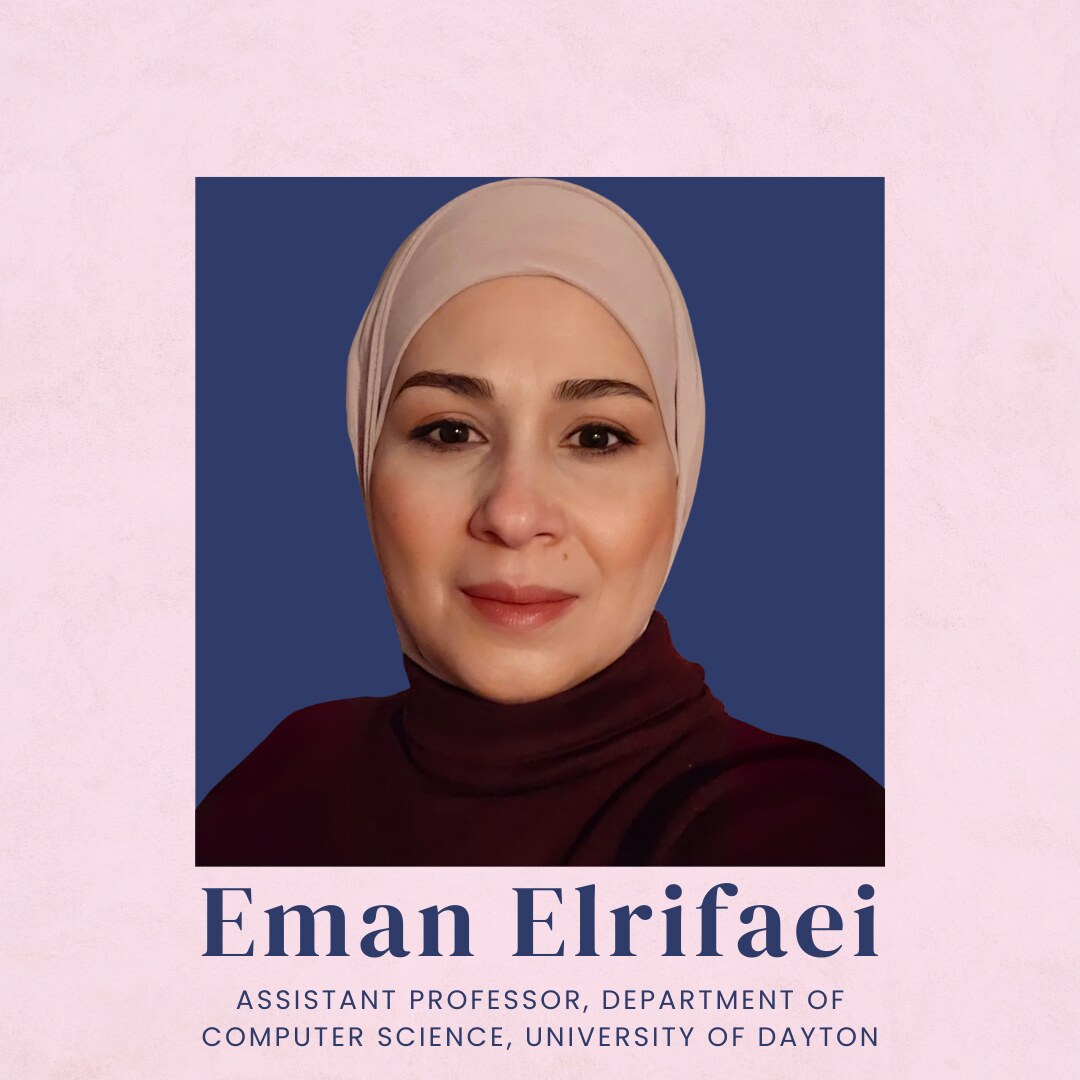
- Eman Elrifaei’s childhood experiences and education laid the foundation for her resilience and work ethic.
- Her prosperous journey spans administration, procurement engineering, and earning a doctorate to achieve her true calling.
- Despite progress, challenges persist for women working in STEM, fueling her commitment to equity.
- Eman believes in lifelong learning, mentorship, and pushing forward to create systemic change.
1. What was your childhood like, and how did it shape who you are today?
I grew up in a large family in Aqaba, a small town in southern Jordan. As the second oldest of eight sisters, I was raised in a household that valued education. All of us pursued degrees, which laid the foundation for our independence and future paths.
At 18, I was accepted into a civil engineering program, but I got married that same year and moved abroad. I continued my education through a two-year computer diploma, but was only able to complete part of it. Over the next few years, I lived in different countries and returned to Jordan in 2000.
I resumed my education with strong support from my family and went on to complete a degree in engineering. Those early experiences have shaped the way I guide and support others in their paths today.
2. If you could go back and do one thing differently in your career, what would it be?
I would revisit two key decisions. First, I would prioritize completing my education before entering into long-term commitments, such as marriage. Gaining personal and academic independence early on helps build perspective and confidence, which are essential for navigating significant life changes.
Second, while I value my engineering career and have found success in it, I believe that pursuing a field I felt more connected to might have aligned better with my strengths and interests. This realization has influenced how I guide my children today. I encourage them to explore their abilities and make informed choices about their future, while still providing support and guidance.
3. What are some challenges in the industry today that young engineers should be prepared to face as they enter the workforce? And what skills do you consider to be fundamental for them?
I’m a person who moved between professions and education. A degree is important, but it’s not enough. You need to build skills– communication, writing, and technical skills—all of these are needed. You also need some perspective and business skills.
The world now is very open, and you are competing with hundreds of thousands of people. That’s what I tell my students today: we teach you the basics here, but that’s not enough. It will get you your degree, but you need to go and see what you’ll be working with. You need to take training courses, certifications, and internships. You have to invest a lot in those.
Before graduation, you need to have completed a lot of projects related to the field you want to specialize in, to be able to step into the market. So, the degree is one factor, the skills you learn here—teamwork, communication, writing—that’s another, and the projects you do here are another. Internships during the learning period are another crucial factor. Certifications and training are super important in the long run.
Those four or five years while you’re earning your degree are the most important years to pave the road into entering the market. The competition is so high in the market that even after you enter, you have to keep pushing with certifications, building skills, and training—that’s going to be your life.
If you think, “I studied, I got my diploma, I’m done,” then you’re mistaken. It’s continuous education until you retire. This may not be pleasant news for many, but it’s the reality.
If you don’t learn how to manage your time between studying, family responsibilities, fun, and continuous education, you’re not going to be successful.

4. How would you say that your background in engineering has helped you evolve your leadership style?
My engineering background has deeply influenced the way I approach leadership. Engineering teaches you to start with analysis—investigating the issue, understanding the variables, testing possible solutions, and then executing. This mindset naturally supports strategic thinking, enabling individuals to know when to move forward, when to pivot, and how to minimize risks and losses.
It also emphasizes resilience and adaptability. Not every solution works the first time, so you learn to build backups and remain focused on results. Over time, this approach shaped how I lead—by focusing on data-driven decisions, long-term outcomes, and sustainable solutions. It’s also taught me to evaluate the broader impact of every decision, ensuring that choices not only solve immediate problems but also align with overall goals. This balance between precision and flexibility is what continues to define my leadership style.
5. What are your perspectives on mentorship, and did you have a significant mentor throughout your career?
I’ve had different mentors at various stages of life. Early on, my parents were my primary mentors. When I moved abroad at 18, I relied on self-guidance and personal resilience. Later, while working at a construction company, the head of the contracting department became a key mentor, offering valuable professional support and advice.
During my graduate studies, my academic advisor played an important role in mentoring me throughout the completion of my degree. In recent years, my support network has expanded to include a close circle of trusted peers. Not every friend or family member can offer the proper guidance, so it’s essential to connect with those who bring clarity and encouragement.
While pursuing my MBA, I met Dr. Ramamoorthy, whose calm and thoughtful presence has made a lasting impact. Though I usually separate personal and professional matters, he is someone I deeply respect and continue to learn from.
6. What is one quote or mantra that you live by, and how does it positively influence your life and leadership?
While I don’t follow a specific quote, I believe in the principle of self-acceptance and empathy. If each person embraces who they are and extends that same understanding to others, we create a more balanced and respectful world.
In leadership and life, I apply this by recognizing that others likely share the needs I have. If I value support, care, or fairness, I assume others do too. This mindset encourages equity and compassion, whether in personal relationships or the workplace. It’s a guiding perspective that helps foster inclusive and thoughtful leadership.
7. What advice would you give to women and underrepresented professionals entering your field of expertise?
My advice is to lead with knowledge, capability, and professionalism. Success should be rooted in your skills, education, and the value you bring, not assumptions or expectations tied to identity.
Women and underrepresented professionals should focus on building expertise, earning trust through their performance, and making meaningful contributions to their fields. Aim to create environments where merit and integrity define success, and where leadership is earned through action and impact.
Conclusion:
Eman Elrifaei is an engineer turned professor who has faced the peaks and the troughs of life and glided through them with a smile. Her education gives her the strength to be the strong woman she is today. Her empathetic and sensitive nature creates a safe environment for those around her.
Eman Elrifaei is an engineer and professor whose journey embodies resilience, adaptability, and a sense of purpose. Her educational foundation has been a driving force in shaping her leadership and professional growth. With a thoughtful and empathetic approach, she fosters a supportive environment for those around her, both in and outside the classroom.
