
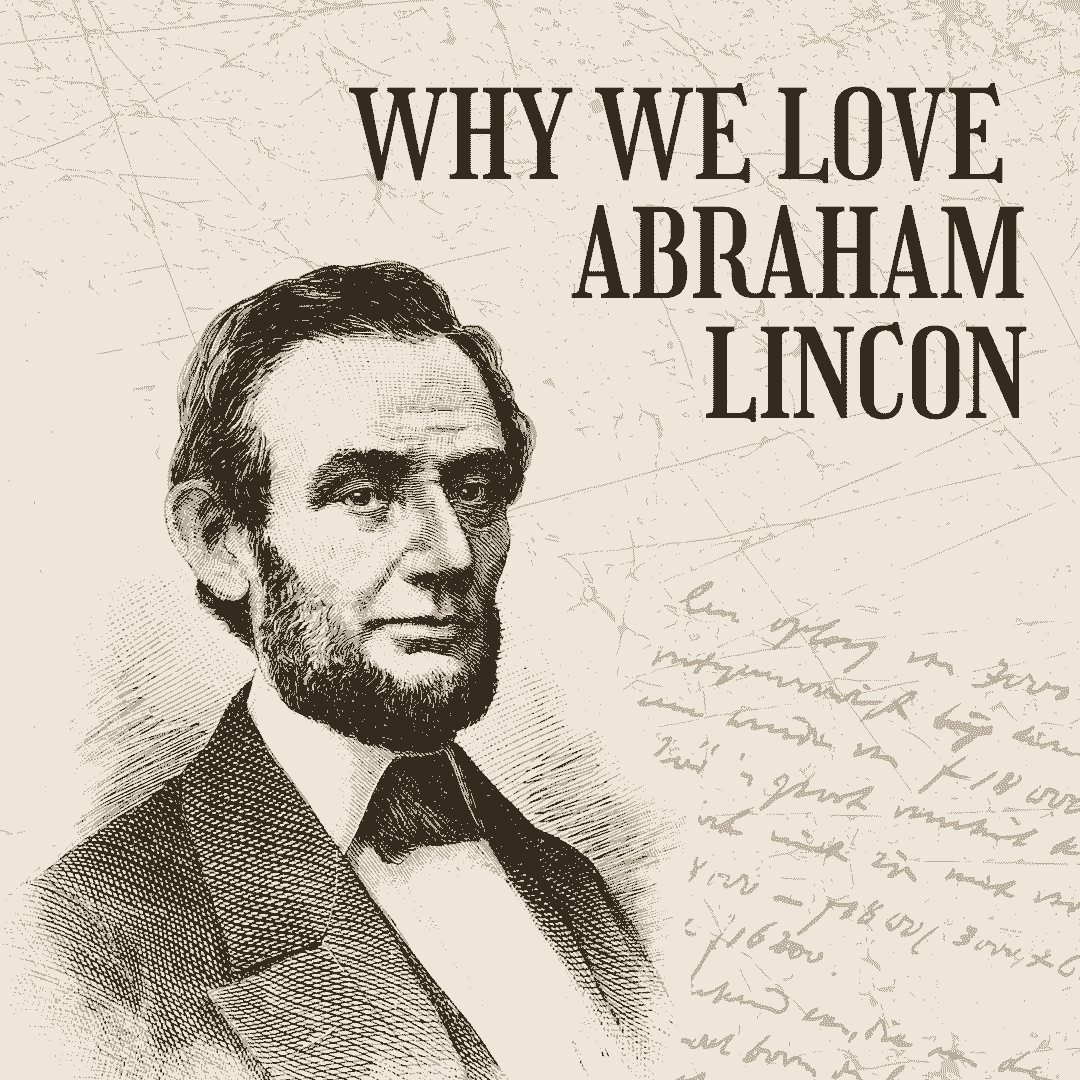
Overview:
- More than 15,000 books have been written about Abraham Lincoln. He is known for warmth, wit, and remarkable charm, as well as his mastery of language.
- His resilience, moral compass, and deep humanity earned him near-universal admiration across generations.
- Empathy was perhaps Lincoln’s most defining trait—“with malice toward none, with charity for all.”
- Lincoln has become a symbol of principled leadership, especially during moments of national crisis.
Why We Love Lincoln: Lessons from Character, Resilience, and Humanity
Abraham Lincoln remains one of the most admired figures in American history. From humble beginnings in a log cabin in rural Kentucky to becoming president during the nation’s greatest crisis, Lincoln’s life story is both inspiring and instructive. But beyond his achievements as the 16th president of the United States, it is his resilience, moral compass, and deep humanity that have earned him near-universal admiration across generations.
As expert witnesses who are often called to assess character, credibility, and decision-making under pressure, we find Lincoln’s life to be a remarkably rich case study. Our professional work requires not only scrutiny of facts but also an understanding of human complexity—how people evolve, endure, and lead through adversity. In Lincoln, we see a profound example of principled leadership and emotional intelligence that continues to resonate in legal, civic, and personal contexts.
Here are some of the qualities that make Abraham Lincoln a timeless model of character and leadership.
From Poverty to the Presidency
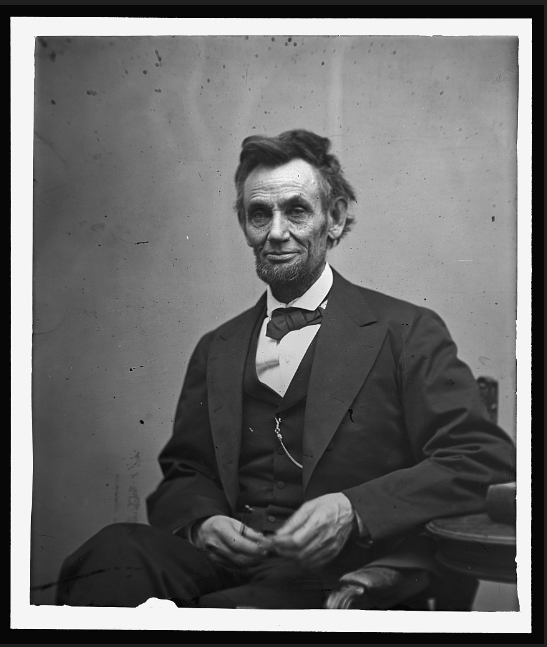
Lincoln’s ascent from poverty to power is a classic American story. Lincoln had less than a year of formal schooling and was largely self-taught, reading borrowed books by candlelight late into the night. As noted by historian Doris Kearns Goodwin in Team of Rivals, “Lincoln’s capacity for growth and learning was limitless,” which allowed him to transform his meager beginnings into a platform for greatness.1
Despite being born into economic hardship and losing his mother at the age of nine, Lincoln demonstrated a dogged commitment to self-improvement. He worked as a rail splitter, a store clerk, and eventually became a lawyer, reading law books and teaching himself legal principles. His rise reflected a quintessentially American belief: that integrity, hard work, and intellect could lift someone from obscurity to leadership.
Endurance Through Tragedy and Loss
What sets Lincoln apart from other historical figures is not only his achievements but also how he bore personal suffering. His life was marked by profound loss. He experienced the deaths of his mother, Nancy Hanks Lincoln, his beloved sister Sarah, and later, two of his four sons: Edward and Willie. He also faced the emotional toll of leading the Union through the Civil War, which claimed over 600,000 American lives.
According to Joshua Wolf Shenk in Lincoln’s Melancholy, Lincoln struggled with depression throughout his life. Yet, instead of being overwhelmed by his emotional burdens, he transformed sorrow into a source of strength. Shenk writes, “Lincoln did not hide from his sadness. He used it. He examined it. And he drew power from it.”2 Historian Michael Burlingame reinforces this view, documenting Lincoln’s recurring episodes of melancholy and how his personal tragedies deepened both his empathy and resolve as a leader.3
This quiet resilience resonates today, particularly in a world where emotional vulnerability is increasingly acknowledged as a form of strength. His capacity to lead the nation while wrestling with personal grief deepens our respect for him.
Humor and Humanity: The Likable Lincoln
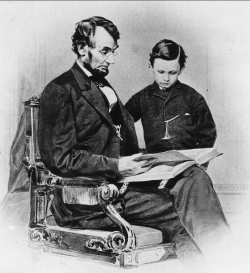
While Lincoln is often remembered as a solemn wartime president, those who knew him described a different man—one full of warmth, wit, and remarkable charm. He was known for his humor and storytelling, traits that humanized him and endeared him to colleagues and citizens alike. Thomas Kidd wrote: “He could, when inclined to a humorous train of thought, cause the most rigid judge or juror of staid ways to relax his facial muscles in a laugh by his mirth-provoking humor.”4
His humor was not just a social tool—it was a coping mechanism and a way to connect with people. One story often cited comes from the Lincoln-Douglas debates, when an opponent accused him of being two-faced. Lincoln reportedly replied, “If I had two faces, would I be wearing this one?” His self-deprecating wit helped disarm critics and unite allies.
Even in the White House, where stress was a constant companion, Lincoln used humor as a form of relief. Historian David Herbert Donald recounts that Lincoln read aloud from books of jokes and humorous anecdotes to soothe both himself and his inner circle during the bleakest days of the Civil War.5
In a corporate setting these same set of skills are called project budgeting, cost controlling and resource management. Women bring these talents to the table naturally. What we need to ensure is that women get the opportunities and the confidence to apply these to the professional finance roles.
A Communicator Without Equal
One of Lincoln’s greatest strengths was his mastery of language. His speeches—most famously the Gettysburg Address and his Second Inaugural—demonstrate an almost poetic economy of words. With only 272 words, the Gettysburg Address redefined the American experiment as one grounded in equality and democratic sacrifice.
According to Garry Wills in Lincoln at Gettysburg, Lincoln “revolutionized the meaning of the Constitution and Declaration of Independence in just two minutes.” Wills argues that Lincoln’s rhetorical skills not only rallied a fractured nation but also reshaped the core ideals of American democracy.6
Lincoln’s ability to communicate complex moral and political ideas in simple, elegant language allowed him to reach people of all backgrounds. His writing was not ornate but clear, intentional, and principled, reflecting a mind committed to truth and a heart rooted in compassion.
Patience, Empathy, and Moral Leadership
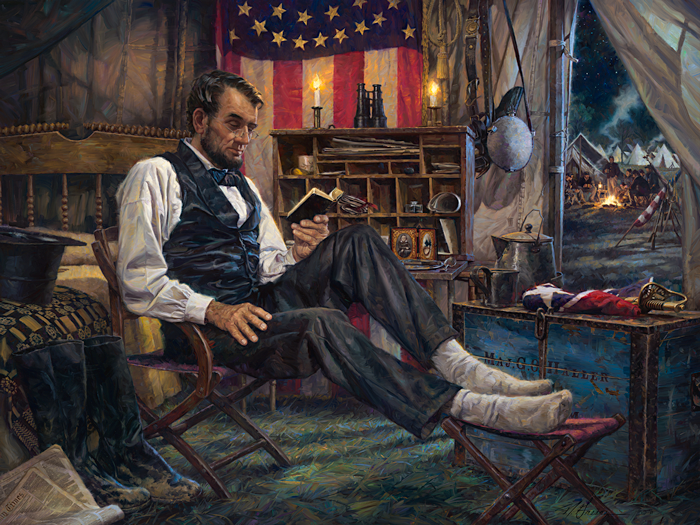
Empathy was perhaps Lincoln’s most defining trait. As President, he bore no malice toward his enemies—even those who had taken up arms against the Union. In his Second Inaugural Address, delivered just weeks before his assassination, he spoke of binding the nation’s wounds “with malice toward none, with charity for all.”
This radical empathy shaped his policy decisions. He pushed for a lenient reconstruction, believing that healing the nation was more important than vengeance. According to historian Eric Foner, Lincoln’s vision for post-war reconciliation was “both generous and pragmatic, rooted in a belief in the essential decency of the American people.”7
His moral leadership also extended to his stance on slavery. Though initially cautious about abolition, Lincoln’s views evolved, and he became a vocal advocate for the Emancipation Proclamation. His ability to grow ethically while navigating political realities was one of his most important leadership qualities.
The Most Written-About Figure in History
Beyond his presidency, Lincoln’s influence has only grown. According to the Library of Congress, more than 15,000 books have been written about Abraham Lincoln—more than any figure in history except for Jesus Christ. This speaks not only to his impact on American history but also to the lasting fascination with his character, intellect, and legacy.
These books examine every facet of his life—from his legal practice and political strategy to his spiritual beliefs and inner psychology. The sheer volume of scholarship reflects the depth and complexity of the man. Scholars, authors, and everyday people continue to find new insights and relevance in his story.
Lincoln in Popular Culture
Lincoln’s image is not confined to textbooks and monuments. He is a cultural icon, portrayed in countless films, books, and speeches. The 2012 film Lincoln, directed by Steven Spielberg and starring Daniel Day-Lewis, was widely praised for its nuanced portrayal of his political savvy and personal burdens. The film drew on Doris Kearns Goodwin’s Team of Rivals, emphasizing how Lincoln managed conflicting personalities in his cabinet with grace and strategic foresight.
Even outside of politics, Lincoln’s image is invoked in discussions of integrity, leadership, and perseverance. He has become a symbol of what principled leadership looks like, especially during moments of national crisis.
Conclusion
In today’s polarized world, Lincoln’s virtues offer a blueprint for civic leadership and personal conduct. We admire his rise from hardship because it affirms the power of self-determination. We respect his endurance through loss because it reminds us of the strength that can be found in vulnerability. We treasure his humor, communication, and patience because they humanize greatness.
Perhaps most importantly, we love Lincoln because he used power not to divide but to unite. In an age where leadership often rewards self-interest, Lincoln showed that true leadership requires empathy, courage, and a commitment to higher ideals.
As President Barack Obama once reflected, “Lincoln’s writings speak to me as they speak to so many Americans, reminding us what is best about ourselves and the Union he saved: that though we may have our differences, we are one people, and we are one nation, united by a common creed” This enduring lesson may be the most important reason we continue to admire him.
