
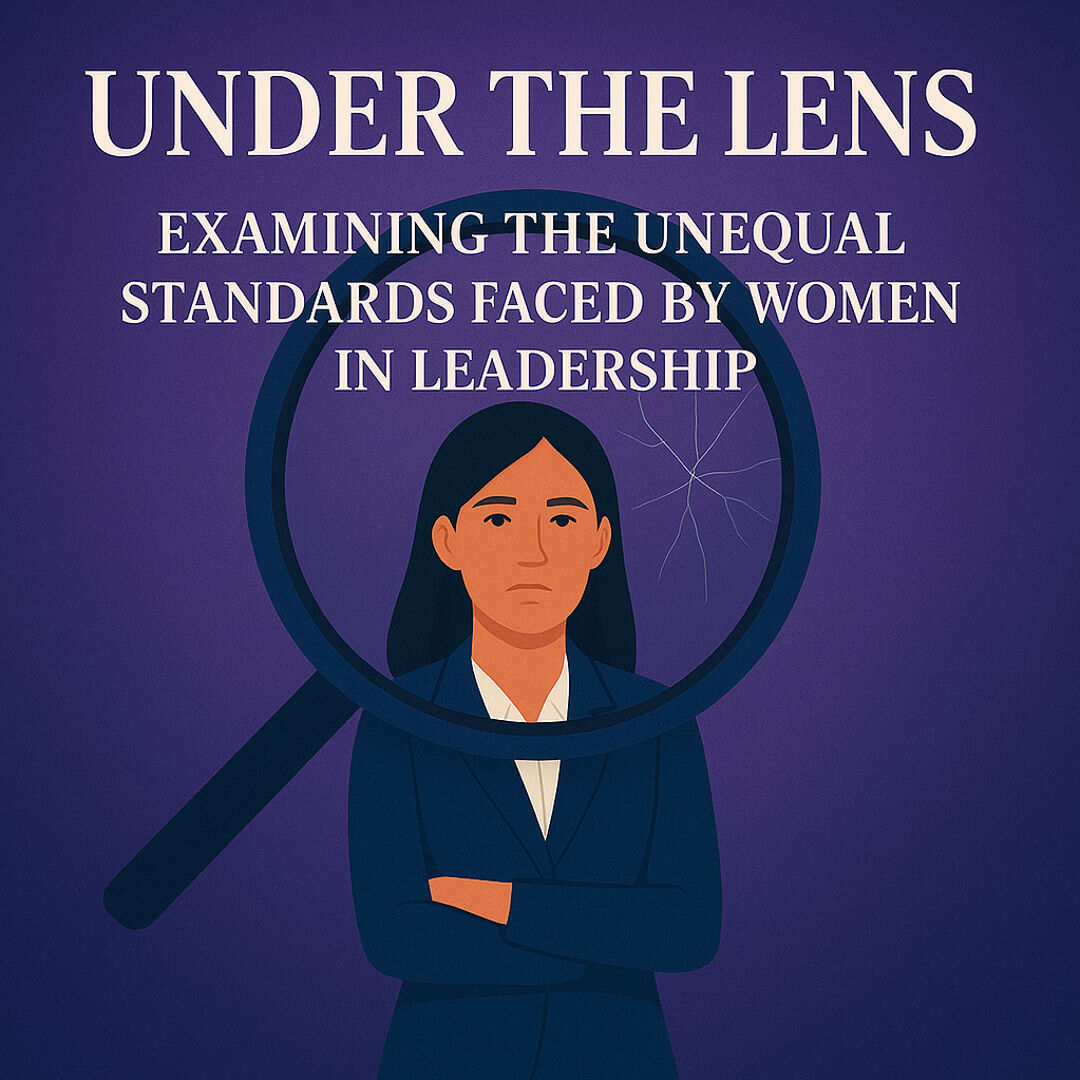
Overview:
- Women in leadership face higher scrutiny and double standards than men.
- The pressure to constantly prove worth leads to burnout and imposter syndrome.
- Bias is compounded by race, age, and other intersecting identities.
- Challenging stereotypes and creating inclusive policies is the way forward.
Leadership is the ability to manage, direct, guide, and influence a group of people to accomplish shared goals. In the actual sense, anyone who has the attributes to lead should be recognized equally, irrespective of their gender. However, in reality, women in leadership positions are placed under extra scrutiny, face higher expectations and are fixated on more than their male counterparts.
Generally, female leaders go through severe gender bias in whatever leadership positions they hold. Women in leadership positions give exceptional contributions to their role, even as they encounter several obstacles.
A lot of these biases, disparities, and uneven treatment reflect double standards, as the men do not go through them. Society places higher expectations on women even when they perform much better than the men in such positions. Regardless of this, men are in more leadership positions compared to women, who are underrepresented because of the patterned system.

History of Gendered Expectations
Traditionally, leadership roles have been assigned to men, as they are recognised as the best leaders. Society has been shaped as a male dominated one, and patriarchal settings throughout history have also limited women’s access to power/leadership positions. Also, religion, culture, and institutions have mostly promoted the belief that leadership traits are in men and not women. When women display strong leadership traits, they are oftentimes categorised as masculine, egoistic, aggressive, rigid etc, even when they behave exactly like male leaders, who on the other hand, would get praised for the same traits. As a result of this excessive interference with women in leadership positions, many women struggle to find a balance with how to act in their roles.
How Standards Shift for Women
Most of the time, women in leadership face a higher level of scrutiny. Regular errors made by men are seen as mistakes, while those of women are seen as incompetence as a result because of their gender; they are labelled as weak and unfit for such responsibilities. Also, the appearance of women is always policed, and their outlook is usually factored into how responsible they are and how they can perform, which is not the same for men. In several industries, gender disparity is a major issue in how leadership positions are filled. Women leaders are always subjected to different standards, while men have the flexibility to be carefree with little to no scrutiny in their leadership role. “It is a man’s world” may seem like a casual statement, however it reflects the truth about gender inequality in the workplace.
The Emotional Career Impact
As a result of the unequal standards faced by women in leadership, frustration and pressure set in, and this leads to constant struggle to prove their worthiness. This happens when they end up working harder and more than their male counterparts in order to be recognised as fit and capable, and this can be mentally exhausting. Also, this condition can lead to “imposter syndrome,” where a successful woman may doubt her capabilities because she overworks despite the obvious capabilities. To erase this self doubt, she may take on extra tasks, avoid delegation and show up more than necessary, which can lead to burnout. In some situations, leadership success may be underplayed because it is not the same style used by male counterparts, which can eventually lead to limitation in career advancement for women in leadership.
Unequal Opportunities for Advancement
A lot of times, men are promoted based on potential while women are promoted based on proven performance. This means that men grow faster in their careers, while women must work longer and harder to prove themselves. Eventually, when they are promoted, they are usually placed in roles to fix crises or clean up messy situations, which makes it harder to succeed and makes their failure clear. In a lot of cases, women are underrepresented in positions of authority, they are usually just included to ensure diversity and inclusion.
Intersectionality: Double and Triple Bias
In leadership, women do not only face gender bias, but intersectionality also comes into play, as some women experience bias in other ways, such as, ethnicity, color, race and age.
Additionally, women of colour may not only face sexist stereotypes but also racial assumptions that question their competence. This level of discrimination not only affects how they are perceived, but also affects their career advancement opportunities. Apart from addressing gender bias, other forms of discrimination must also be addressed in leadership roles

Changing the Standards
In order to erase discrimination in leadership positions, some key steps are necessary to influence this change. The steps include:
- Challenging stereotypes and educating people on what these stereotypes look like.
- Putting in place workplace inclusive policies: gender neutral performances, flexible workplace schedules, stern rules in company’s policy to support women.
- Providing mentorship and sponsorship for women in leadership roles.
- Encouragement of male leaders to challenge bias.
- Creating sessions for open conversations against bias.

With consideration of the above-mentioned steps, there should be a greater level of respect for women in leadership positions than the currently biased standards. It is really unfair that capable women are subjected to unequal treatment despite how good they are at their positions.
Conclusion:
Women in leading positions are not requesting lower standards, but equal ones. The imbalanced scrutiny, extreme pressure, higher expectations, and career advancement barriers are largely unnecessary. Taking down this bias will open industries to more diverse perspectives if merit is considered over gender expectations. Leadership should be open to all, and not limited to some.
