
CATEGORIES
#Adulting #Gen Z #Social ImpactOverview:
- Thrift culture, plant-based diets are the new Gen Z culture.
- Social media further fuels the sustainability movements.
- Sustainable fashion is a brandmark for companies Depop andPoshmark.
- Transparency and longevity of impact are foundational to Gen Z’s ideas.
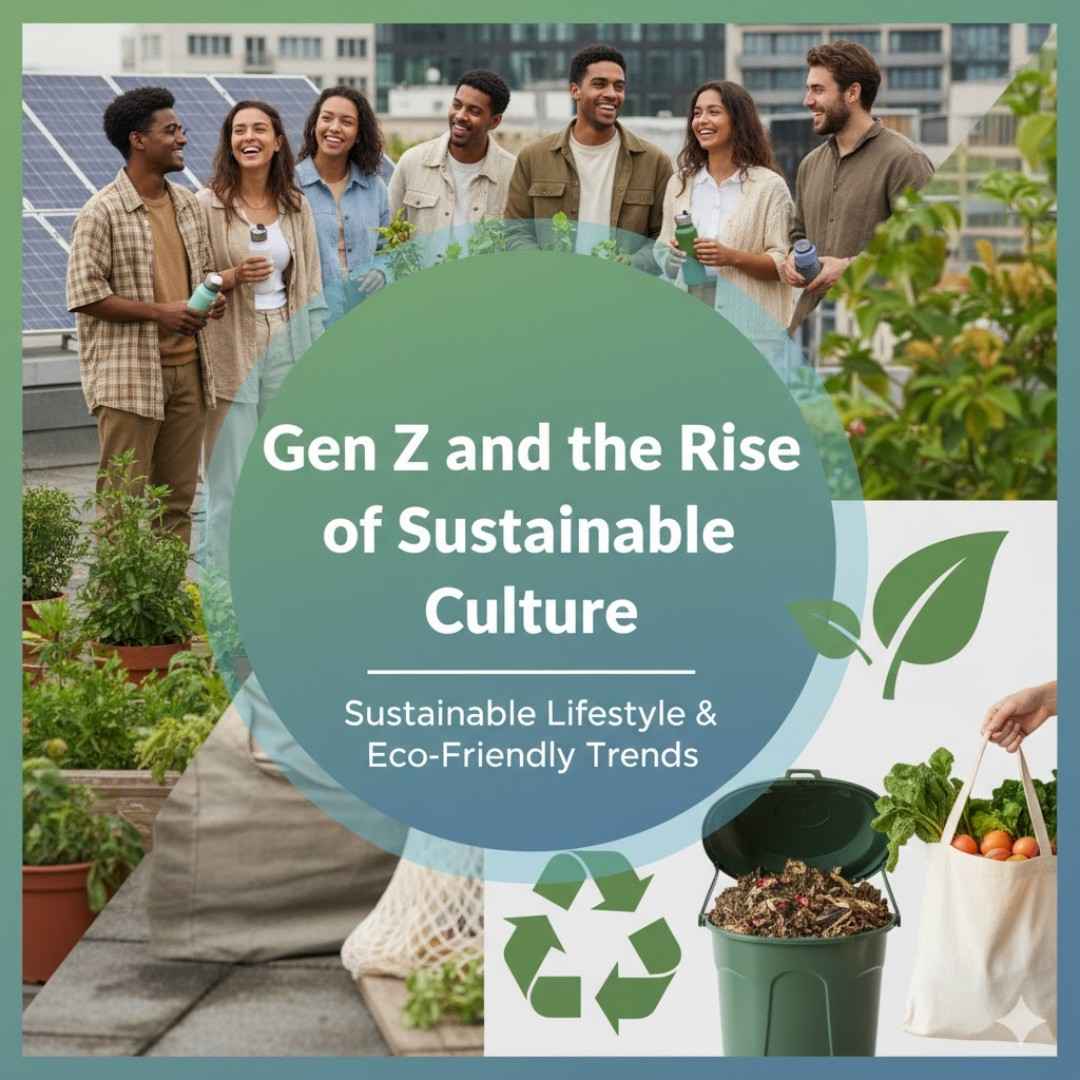
Sustainability has crossed the threshold of being an “alternative” idea; it is becoming a lifestyle norm. Gen Z is defined as those individuals born between the late 1990s and early 2010s. They have risen to the position of consumerism’s “sustainable revolution carriers.” Gen Z sustainability is reflective of a broader rethinking of the way the world consumes. It can be thrift shopping, embarking on a plant-based diet, or even simply rejecting “throwaway” culture. Sustainability is not simply a moral code but is a cultural identification. These characteristics related to Gen Z sustainability are social activism and awareness around value-based consumption.

Factors Influencing Gen Z’s Sustainable Lifestyle
A large part of Gen Z’s sustainable lifestyle is driven by awareness, access, and community. Online vehicles have solidified their insight into the impact of consumption on the environment. The growing years of the climate crisis led to conversations about waste, climate change, and ethical production.
Social media is a major contributor to these habits. The ability of platforms like Instagram or TikTok emphasizes environmental content. Best examples are clothing upcycling videos or tips on low-waste living. These allow influencers to put a face to educators of sustainability in a way that people can envision themselves doing. Hashtags #ThriftFlip or #ZeroWasteChallenge promotes involvement and accountability.
Access is another driver. Online thrift stores, resale apps, and sustainable brands offer ethical consumption that is no longer constrained by local stores. Now consumers can shop anywhere and still align consumption with their values.

The Allure of Thrifting and Circular Fashion
Thrifting has emerged as a defining value of Gen Z sustainability. Young consumers are resisting a throwaway culture when they reuse clothing. With reselling applications, such as Depop and Poshmark, reselling has become a culturally and economically meaningful trend. This represents more than just a cost-savings exercise. It is a reaction against the environmental costs of fast fashion. When Gen Z extends the life of consumer goods, they are participating in circular economy values. They engage in re-use, reduce landfilling, and expose the ridiculousness of constant newness.
In any case, cultural value is nothing to overlook. Thrifting is also about self-identity and agency. Instead of shopping at mass-produced fashion brands, for Gen Z, sustainability is ethical, plus stylish.
Zero-Waste Habits and Mindful Consumption
Digital spaces of social media platforms have been useful in fueling awareness of consumerism habits. Online content creators curate their day-to-day routines to showcase how sustainability has been ‘made possible’ in this new modern context. They are great informal learning experiences for individuals. Through informal learning methods, they endeavor to reduce resources, reduce plastic consumption, conserve energy, and choose ethically, alongside their followers.
Zero-waste living is ideal but complicated. Limitations surrounding zero-waste living include inconvenience, higher cost, and lower availability. Many sustainable products are much more expensive and harder to find in most developing countries. Nevertheless, sustainable advocacy from Gen Z keeps the idea alive.

Social Media and the Power of Digital Activism
For Gen Z, social media activism is the new form of activism in modern society. Sustainability is now a public engagement topic. Most young people advocate for environmental issues through viral videos, online petitions, and comment section campaigns. Real-time activism is the new norm today.
Digital activism has introduced new rules on brand accountability. Companies are being held to a real standard of sustainability. They are now prompted to proclaim authentic sustainability in place of performative sustainability. Acts of greenwashing that could once be easily ignored are now openly criticized. Many young people will engage in behaviors that are perceived to be “eco-friendly,” but will quickly follow with unsustainable actions.
This inconsistency and uncertainty of the digital space create the paradox of sustainability in young people of Generation Z.
Performative Behavior vs. Conscious Behavior
Generation Z is often the focus of admiration for their activism and for caring for their surroundings. Although caring for the surroundings sustainably is not always true. This is not to suggest that someone is trying to be malicious. Many people may not understand the concept of performative activism.
Nevertheless, performative behavior does not necessarily signify indifference. It can indicate a change in awareness. Many people start with relatively basic behaviors and develop towards a more robust awareness. For brands and organizations, this transitional phase should be an opportunity for learning and educating rather than shaming.

Reconstructing Contemporary Consumer Culture
Generation Z has reconstructed the nature of values in consumption. Formerly, consumerism was focused on convenience and the latest trends. Now, young people are concerned with transparency, ethics, and sustainability. Brands that do not focus on their sustainability will lose consumer trust and relevancy. This movement is more than a change in the marketplace; it is a culture change. “Less but better” is replacing notions of excess. Young people are embracing a lifestyle where sustainability is an interwoven part of their identity. “Less but better” is cutting down excess. Sustainability is now linked to identity, reflecting how young people want to live, work, and honor their values. ( Forbes )
The Path Forward
Gen Z has increased the focus on sustainability while adopting the attitude of “we can only go as quickly as collectively”. Individual behavior can spark change, but systemic change in production, regulation, and education will have the most substantial, continued impact. Government, industry sectors, and stakeholders responsive to this generational demand will begin to offer and embrace sustainability. This will lead to the proper implementation of the regulation and strategy. Ultimately, transparency and accountability will impact the interaction to culturally become systemic.
Conclusion
There is no question that Gen Z has moved the consciousness toward sustainable culture. Their awareness, creativity, and activism reframed consumption and responsibility for individuals and societies. However, the question remains about how to follow through with that intent and engage in consistent, repetitive behavior changes. As Gen Z matures, their voice and influence can change sustainability from a trend to a standard across all cultures.
