
CATEGORIES
#Adulting #Gen Z #Social MediaOverview:
- Vogue’s article sparks debate on how social media reshapes modern love and relationships.
- Online mystery and privacy are now symbols of strength and control in relationships.
- Digital detachment replaces sincerity, making emotional expression seem risky or embarrassing.
- Independence online often becomes performance, driven by fear of judgment and validation.
- True power lies in vulnerability and authenticity, not in hiding love or emotions.
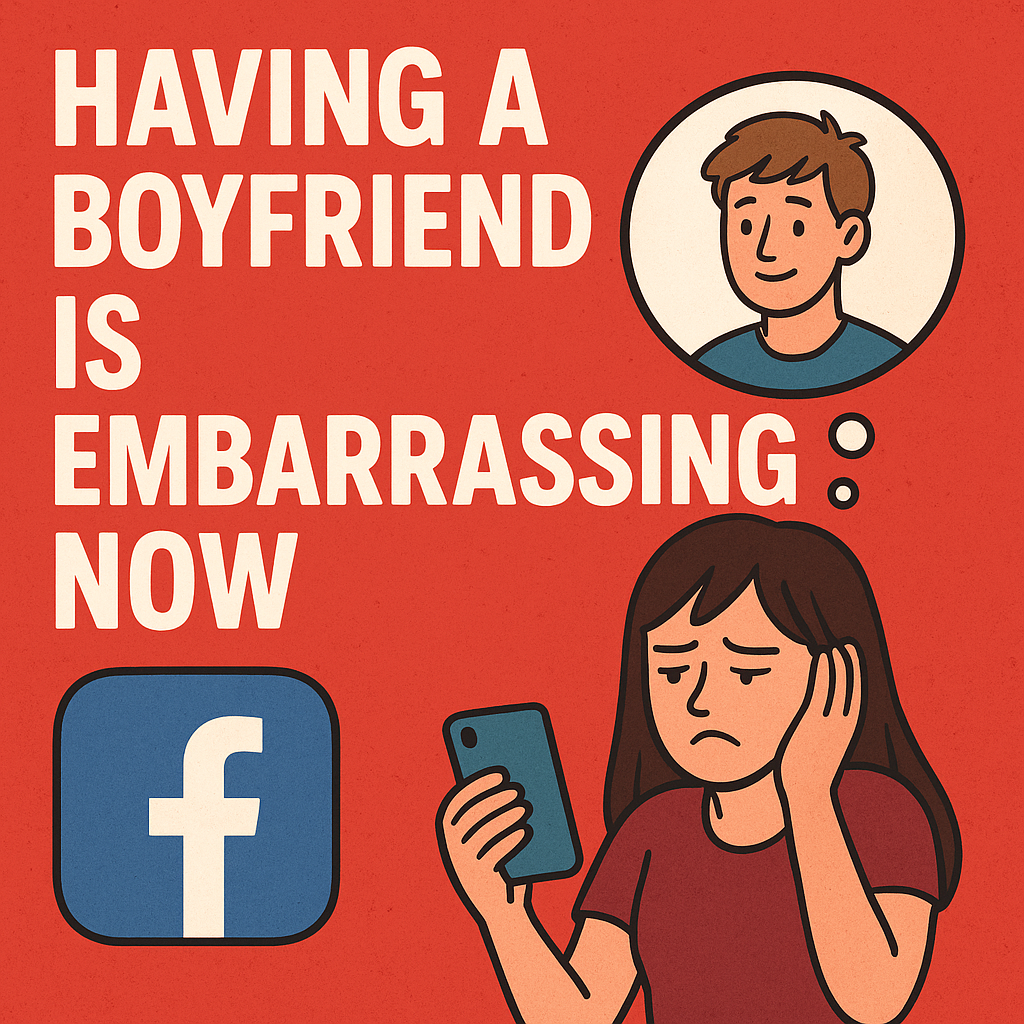
Vogue recently asked, “Is having a boyfriend embarrassing now?” It wasn’t just clickbait. It captured a generational mood. The modern internet has changed how love looks online. Relationships are no longer personal—they’re performances.
Vogue’s piece highlighted how women today hesitate to show their partners publicly.
We see cropped photos, soft launches, and “him without a face” posts everywhere. This isn’t just a style of sharing—it’s a power shift.

Image Credits: Freepik
Era of Hidden Relationships
Once, posting about relationships was considered normal. It was important to make your relationship seem official. However, that trend is changing. Strength is now linked to mystery. You have more control when you share less. According to Vogue, people hide their relationships online due to both freedom and fear.
The fear of judgment, the worry about “evil eye,” and the desire for independence from public approval drive this behavior. Once seen as a secret, privacy is now viewed as power. It is considered cool to be subtle, detached, and independent.
The New Aesthetic: Digital Detachment
The internet is full of irony. Sincerity feels risky. People say that having a boyfriend is embarrassing, but they mean more than that.
It reflects a rejection of dependence. It mocks the idea that worth comes from love.
Being detached is popular online. Showing too much care can appear desperate. Women who show too much concern risk being called “pick-me, too.” Vogue captured this tension well. What was once a show of strength is now seen as a liability.
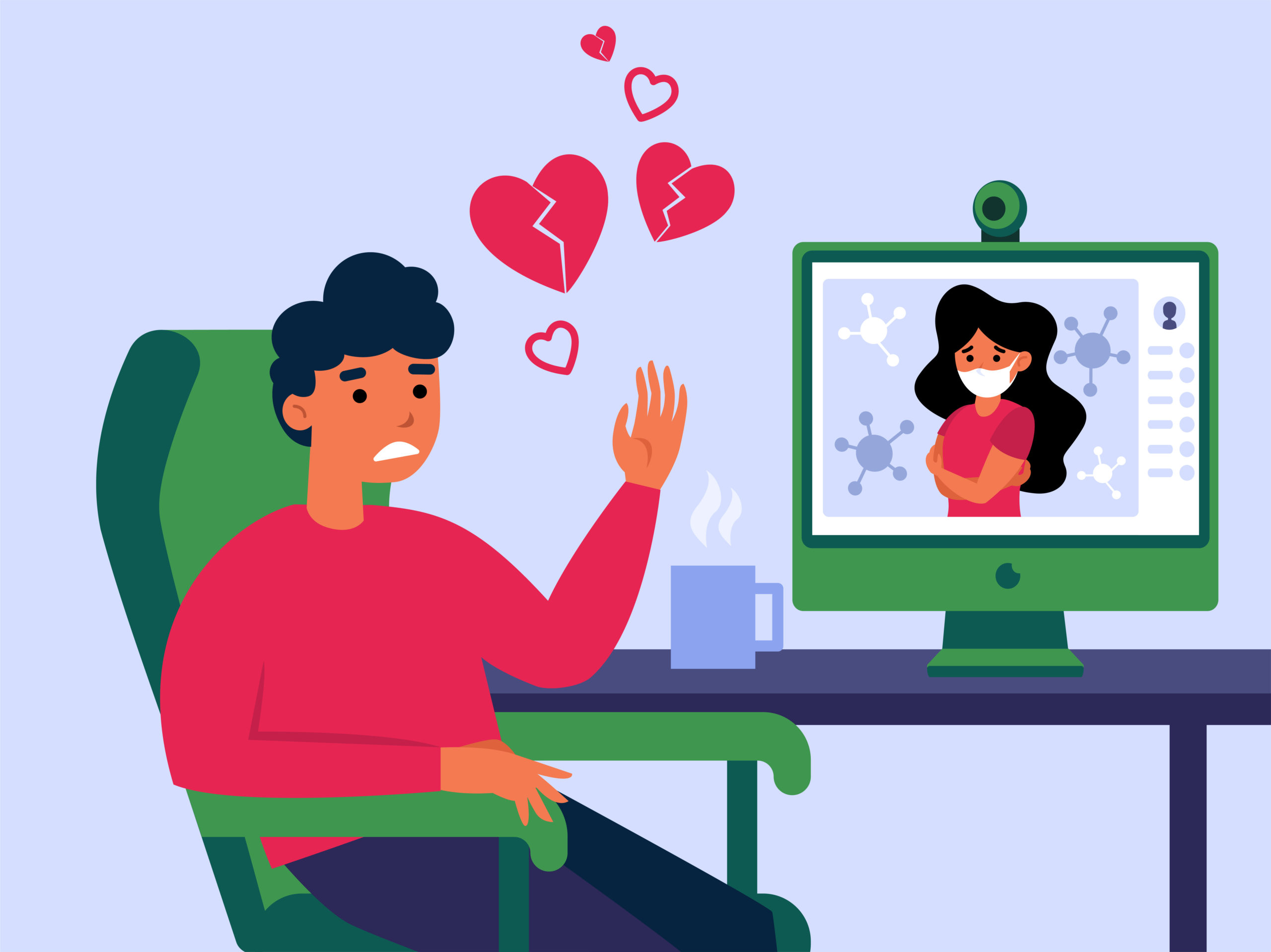
Image Credits: Freepik
Emotional Evasion or Empowerment?
Although this shift may seem empowering, it isn’t easy. You might find peace by not posting about your partner. Yet, it can also stem from emotional fear. People create distance to protect themselves from being judged. In doing so, they often lose their sense of authenticity.
The Independence Performance
Self-focus is increasingly rewarded on social media, especially among Gen-Z women. Being single is seen as a sign of strength. The freedom offered by the internet often turns into a performance. The old need to appear “taken” has shifted to a need to seem “unbothered.” The same surveillance exists, but the narrative has changed.
This inconsistency is highlighted in Vogue’s study. Women are using a different form of control; they are not truly freer. Perception remains the key to power. If you think deeply, then both are ways of performing womanhood to get the approval of others.
The Equation of New Power
Power on social media is no longer about being lonely or loved; it’s about who controls the narrative. Women assert their agency by choosing not to post. The way love and femininity interact online is being redefined. But what is the emotional cost?
The True Rebellion: Vulnerability
Detachment may not be the source of true power. Perhaps saying, “Yes, I love someone,” without shame is more powerful. The internet needs new emotional expressions that allow gentleness and strength to coexist. In fact, empowerment does not always lie in symmetry, trends or hashtags.
Final Thoughts: Beyond Vogue’s Question
Vogue was right; something has changed. Love online feels shameful because it’s public property.
More than the pain, we fear judgment. However, hiding love is not true freedom either. The aim should be authenticity, not invisibility. Maybe the question shouldn’t be, “Is having a boyfriend embarrassing?” Perhaps we should ask, “Why did we start seeing love as a weakness?”
