
CATEGORIES
#Breaking Stereotypes #Gen Z #Inclusion and ImpactOverview:
- Beauty standards still dominate workplaces and online spaces, often overshadowing women’s skills.
- Patriarchy and media historically reinforced narrow ideals of “acceptable” beauty.
- Social media worsens these pressures with filters and perfection-driven narratives.
- Gen Z challenges stereotypes by valuing diversity, authenticity, and competence.
- The future of success lies in inclusivity, equality, and individuality over appearance.
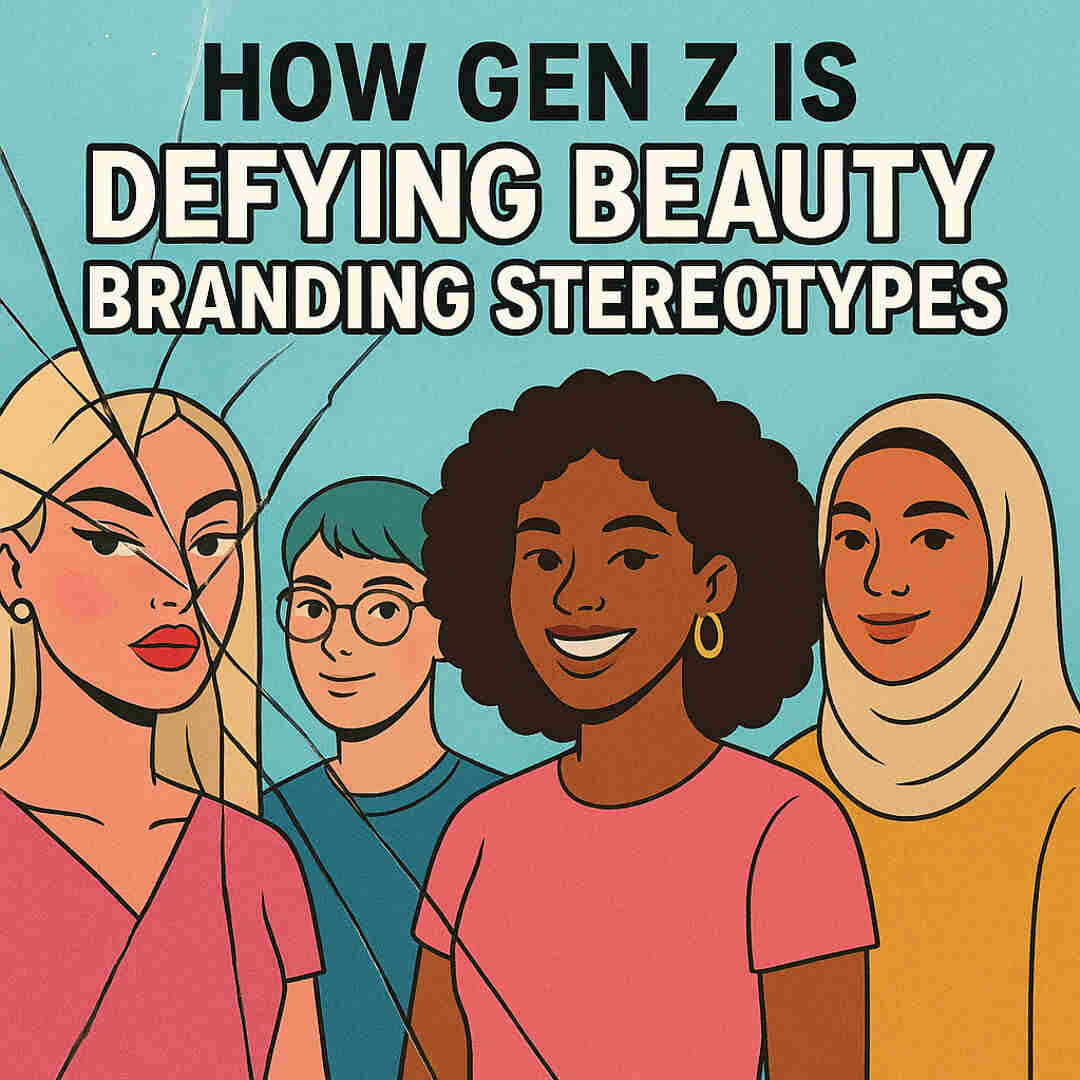
From glossy magazine covers to viral social media trends, beauty branding has always dictated how society perceives women. Yet, Gen Z is challenging these notions, reshaping the conversation around identity, confidence, and inclusivity. They are rejecting one-size-fits-all ideals. They are pushing industries and workplaces alike to rethink what beauty really means.
The Power and Pressure of Beauty Standards
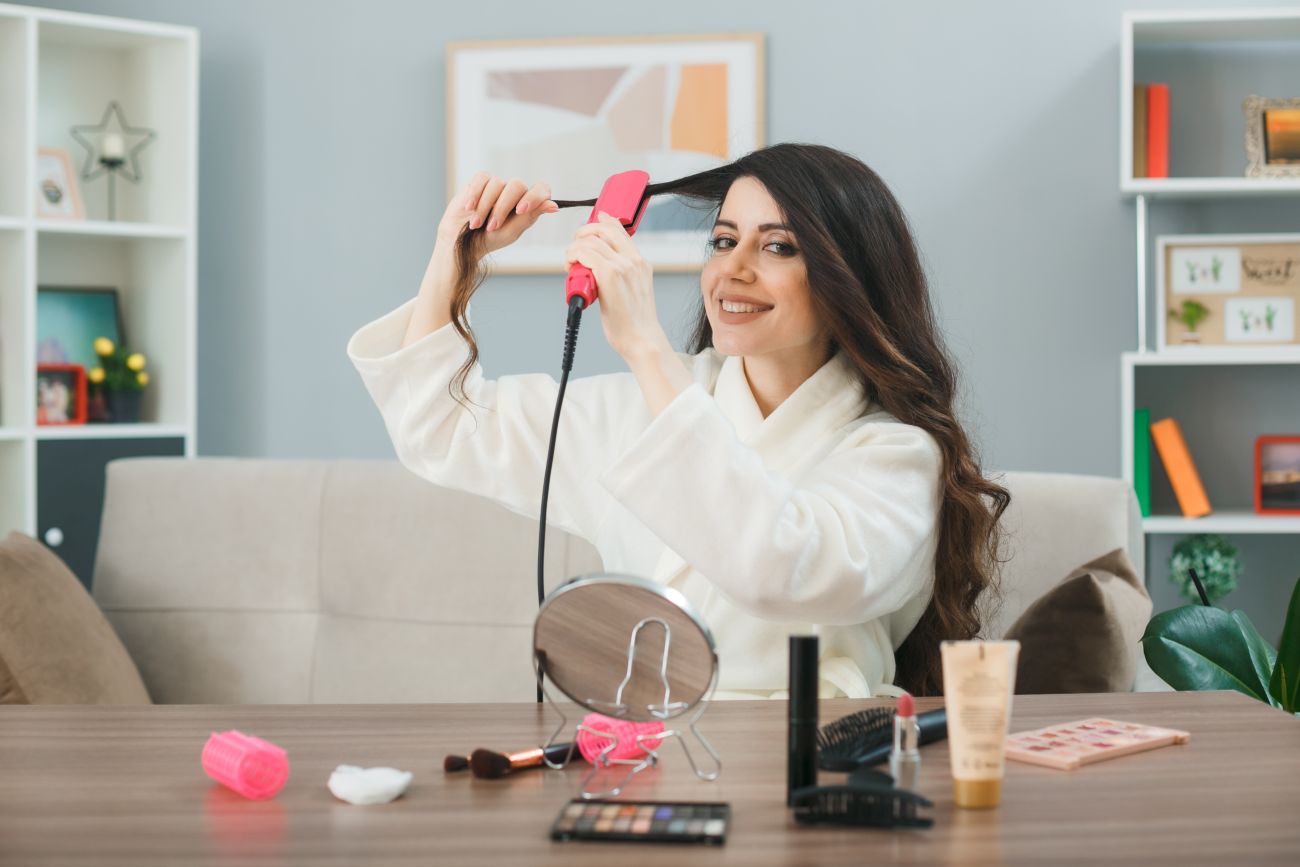
Beauty standards have long ruled the books of history. They seem to continue till date. At workplaces, women are often perceived on the basis of how they look. These factors often over-power skill prowess and competencies of an individual. It slowly becomes a silent resume based on which women are judged. In fact, women have been long resisted in leadership because of these biases.
Factors that have influenced the development of these unrealistic standards often include:
Historical Influence of Patriarchy
Patriarchy has long unseen women in any realm. It has dumbed down women to the ideals of their looks. It has objectified women and has created a stereotypical lens through which they “should” be accepted. Thin (not too thin). Fair (not too fair). Tall (not too tall).
Exacerbation through Digital Platforms and Media
Social media further accentuates these biases by practically performing these biases in the name of perfection. It aims to show beauty through standards of perfectionism by using filters and edits. But sadly, perfection does not exist. True beauty is not about achieving perfectionism, it is about achieving authenticity. Because perfection is boring, but individuality is powerful.
Workplace and its Biases
Workplaces also display these biases. These stereotypes often influence hiring, promotion and leadership opportunities. This has often acted as an unfair advantage for some.
In most careers, looks are more important than proven talent. It costs more time and money for professional women to keep up appearances. This dual standard diminishes productivity and raises work stress. Anxiety is caused by incessant pressure to “look professional.” Even though they are capable, young women are underappreciated. Their potential is hampered by the weight of beauty standards. But as we move, these workplace biases are being redefined.
Gen-Z Challenging the Norm
Generation-Z is redefining beauty norms, by not complying. They endorse and pursue values of diversity and inclusion. They emphasise on worth over looks, and this gives a tough fight to businesses that are built on these stereotypes.
In fact, women are using social media today to empower themselves.
Additionally, they focus on intelligence, competencies and resilience.
Women do feel more noticed and valued when they are represented. New stories are motivated by a variety of leaders, influencers, and role models. Campaigns put into focus real bodies, lives, and cultures. Today, there are calls for equity and equality in the workplace. Employees from Generation Z advocate for skill-based recognition programs. Those businesses embracing diversity see an increase in talent retention.

Moving Ahead
Storytelling based on authenticity – what a lovely movement for beauty branding. In the business world, we are slowly moving away from valuing physical appearance over teamwork. Young women are more comfortable when they are valued for what they can do rather than the way they appear.
As we redefine success, everyone’s voice will matter. Gen Z has already shown us what levels of power they can wield by getting their voices together.
They are also redefining empowerment for all women because they are busting stereotypes.
The future will respect diversity. Success will usher in equality, individuality, and diversity and not depend on beauty.
