
Overview:
- K- Pop has emerged as a strategic instrument of soft diplomacy in the recent past.
- From Government support to cultural exports the international impact of Kpop has been immense from making it central to diplomatic efforts and maintaining bilateral relations.
- K-Pop has demonstrated how culture can foster goodwill and redefine diplomacy on a global stage.
In today’s digital age the art of managing international relations is being taken more seriously than ever before. Negotiation, communication and co-operation are the key factors for understanding international relations and are carried out via managing diplomatic ties. Leveraging popular culture is an essential part of building above mentioned diplomatic ties.
What Lies at the Core of Soft Diplomacy?
Diplomacy is the art of conducting negotiations between nations’ soft power, categorised under the diplomatic relations. Diplomatic ties depend on the ability to persuade others through mediation and conflict resolution. Key characteristics of soft diplomacy includes
- Attraction and Persuasion
- Co-option not Coertion
- Building Relationships
These characteristics are implemented in practice via use of traditional tools of soft diplomacy. The tools involve language, arts, culture, media, education, etc. When compared with hard power as a diplomatic strategy it shifts its strategy to use of military, and economic force.
Evolution of K-Pop
From domestic music to a global trend and phenomenon. K-pop has seen a remarkable transformation. This global cultural phenomenon has had a significant impact on children and adults alike. Groups like BTS, BLACKPINK, EXO saw unprecedented success on both domestic and international forums. Their music topped global charts, sold out stadiums and saw Western pop artists reaching out to collaborate with. This global appeal became a core force of the Hallyu, or Korean Wave. This has significantly influenced global media, fashion, language, and youth culture, making South Korea a cultural powerhouse.
K-Pop as a Diplomatic Tool
Reshaping how nations engage with each other, K-pop has recently emerged as a very strong diplomatic tool. The cultural influence is really noticeable with BTS’s famous speech at the United Nations – General Assembly. Social media frenzy followed post their famous speech seen as an inspiration. The group addressed some serious social issues such as youth empowerment and mental health, earning global recognition. The speech was an important factor helping reinforce South Korea’s image as a driven, progressive and youth-focused nation. A historic gesture of cultural diplomacy, was when South Korean artists, including popular K-pop idols, performed in Pyongyang in 2018. The event symbolized a thaw in relations between North and South Korea.
Impact of K-Pop on Building a Brand Name for Korea
Additionally, K-pop concerts are frequently included in state-sponsored cultural exchange programs and diplomatic events. These events serve as a bridge between diverse audiences across borders. Further the efforts made have strengthened bilateral ties, especially with countries like those in ASEAN, the United States, and Latin America. These countries are the places where K-pop enjoys massive fan bases.
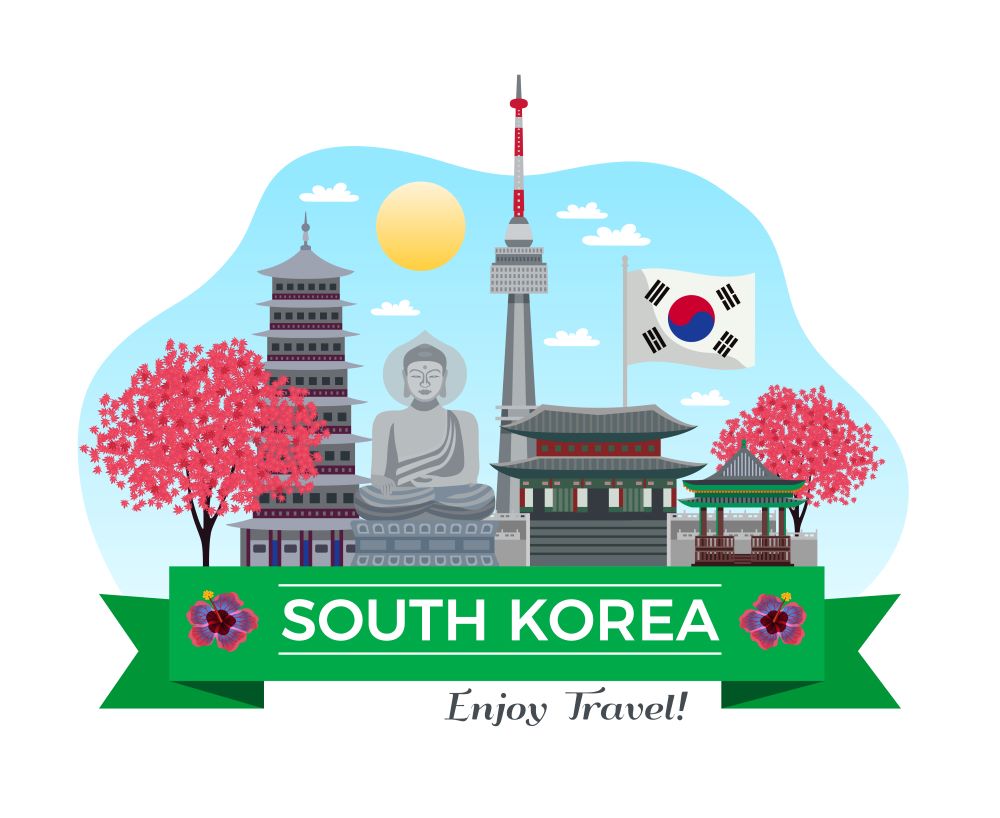
Focusing on goodwill, curiosity, and shared cultural experiences, K-pop has extended South Korea’s soft power beyond borders. It has helped build informal, people-to-people channels of international dialogue. A lot of cross-border fan projects keep happening which partner with these Kpop idols. This is to raise donations for social causes and on the way promote and advocate for rights and issues. Cultural exchange and meet be it via social media (live meets), fan art etc. Language learning rose for Korean language learners across the globe. The country has also seen a rise in tourism with more and more people visiting.
Challenges Faced With Using Soft Diplomatic Tactics
The digital age is such scrutiny is bound to follow with the often out in the open presence of these popstars. The above mentioned has often been seen to raise concerns over commercialization and cultural homogenization. The K-Pop industry is not a stranger to a few cases of exploitation. In the chase for perfectionism it is also known to put immense pressure on the stars. Further it affects their mental health in the industry. The efforts are also often to bring forth questions of nationalism and potential diplomatic backlash in conservative nations.
Conclusion
Through music, performances and a strong fan engagement South Korea has managed to expand its national culture beyond borders. It’s a strong medium for cross cultural dialogue, mutual respect and international cooperation. It continues to inspire many as a global influence which hinges on cultural capital. The use of K-pop to negotiate international ties is definitely a blueprint we can look up to. It’s a learning on how to leverage effective tools in the digital age.
