
CATEGORIES
#Personal growth #Psychology #Women EmpowermentOverview:
- Productivity has been associated with over working, planning and scheduling.
- From a woman’s perspective productivity looks like intuition, identity, and alignment.
- These traits don’t drive the ego through motivation of achievement.
- Productivity from a female perspective is about changing this narrative to slow, sustainable models that compound over-time.
- It’s time productivity is zoomed out and looked at wisely for impactful action and output.
I was watching a movie by a female independent filmmaker at the Mumbai International Film Festival. I approached her and told her how incredibly fresh her short film felt—it was like a breath of fresh air and left me wanting to understand more. It was a story about women—their pain, grief, wilderness, acceptance, strength, and sustainability—woven together so poetically that it gently echoed What Breaking the ‘Good Girl’ Mold Taught Me About Freedom.
She replied very calmly that her film was her ode to poems and nothingness. Her aim was to show the presence and power that women carry in just being themselves.
When I look around me, I find women doing mundane tasks with little to no acknowledgement. These tasks are not any less meticulous or time-consuming. They are mostly intentional actions and rest. Their value adds up over time. Historically, the unpaid labour that women did-of cooking, cleaning, and caring kept out of the market. So did productivity models.
Beyond the 4 P’s of productivity and the 333 rule, women have always looked at the intention of input. Focusing, building routines, consistency depend on the intention for a smoother and sustainable execution. Intention combined with clarity, intuition and alignment can make you more productive than you think.
Slowing Down is Not Just A Rebellion
The age of social media and artificial intelligence has left us constantly overwhelmed. Information overload is a serious issue. We have started talking about nervous system regulation, somatic release, calming techniques not because we are lazy. Slowing down is a way of life our ancestors proposed and here’s why we need to revisit it. Constant feeling of action can cause the guilt of inaction. There’s a dopamine hit while scrolling through reels, multi-tasking at work while gulping down four shots of black coffee. However, this is followed by a crash or burnout as well. Over time, our body needs time to process what we are putting it through.

Image Credit: Pexels
Regulated Nervous System and Grounding
‘Touching grass’ is actually more than a GenZ phrase now. A regulated nervous system helps you channelize your energy into action and key to avoid a burnout. Whether you saw your grandma putting oil in her hair, or your mother knitting, these activities were not past-times. Small intentional activities during a stressful day can help in grounding oneself.
Intention and Presence
While women have mastered the art of presence, beauty, and grace. There’s a major takeaway to carry. The idea of presence is not just about finding beauty but calming your brain too. Slow movements, pause, and intentional gazing help re-focus and signal a calm confidence necessary before the boardroom meeting.
Looking With Clarity Into Ego Versus Passion
Motivation and consistency are not a recent debate when it comes to discussing productivity. Discipline definitely drives action and yields results. But let’s take a moment to question what drives that discipline?
We have been taught to follow a structure of productivity to see great results. Most of the time this notion of ‘having to’ limits us from even starting.
The ego tells us to be productive to achieve our goals.
But it often ignores that we are more important than our goals.
Passion driven by devotion steers through distractions rather than being guilt-tripped by them. My grandmother never looked at cooking as an ultimate goal. It was a fixed task for her. To wake up and mindfully engage in something. Sometimes the food would turn out great, on others not so much. She always had the wisdom to say,
“We start small and better things along the way. Mastering anything takes a lot of failures and mistakes. We show up despite it. Not just to make the best of recipes (which eventually turned into legacies that we carry) but to the value it brings over time.”
Small reflections like these anchor us to purpose and bring clarity to even the smallest tasks we do. It just brings you back to yourself with gratitude and better momentum.
Discipline then, is not about self-punishment but self-respect.
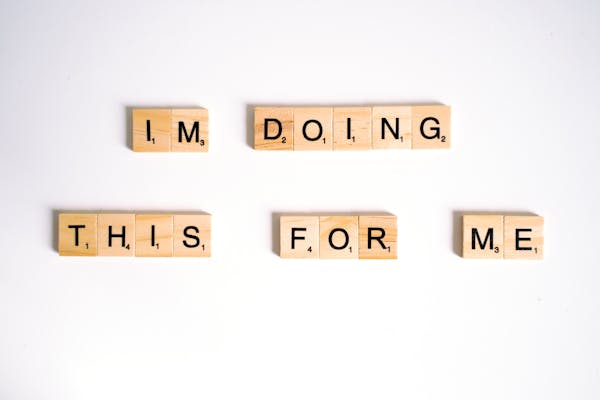
Image Credit: Pexels
Emotional Intelligence and Cyclical Approach in Productivity Models
Traditional productivity teaches you to “push through” feelings of stress, boredom, and overwhelm. However, emotions are indications about how you’re interacting with your work, not disruptions to it. The first step in an emotional approach to productivity is awareness, not repression. It views emotions as signals that direct priorities, attention, and pace rather than disregarding them to complete tasks. In the end, this makes work more purposeful and actionable. Emotional intelligence lowers internal conflict, increases clarity, and enables aligned decisions rather than acting on pressure.
A cyclical approach acknowledges that focus, energy, and creativity naturally fluctuate. It promotes working with these swings instead of expecting a steady output. In the end, use slower phases for relaxation or introspection and lean into high-energy times for in-depth work. By honoring the body and mind, this rhythm promotes steady advancement and avoids burnout.
Intuition, Identity, and Alignment
Women often rely on intuition as a developed skill shaped by life experience rather than as a generic instinct. It entails juggling responsibilities, interpreting circumstances, and making snap judgments with significant consequences. Their capacity to trust inner signals is strengthened as a result, enabling people to make decisions that seem profoundly connected and effective without continual validation.
For many women, identity and alignment are more strongly associated with actual experiences than with theoretical objectives. In addition to output, productivity is evaluated by relationships, values, and meaning. All of these aspects add to our self worth and growth. When their work reflects their identity, a natural consistency is created. Progress is motivated by purpose rather than pressure, and growth feels natural and not forced.

Image Credit: Pexels
From Wisdom to Action
Here’s a simple checklist to rely on your feminine energy while reflecting on your productivity and strategizing it.
- Track your energy, not just time: Observe when you feel most creative or drained and schedule tasks accordingly.
- Lead with intention, not validation: Ask questions like, “Why does this matter to me?” instead of “Will this impress others?”
- Practice emotional check-ins: Invest 5 minutes daily to identify what you feel for better clarity and improved decisions.
- Adopt cyclical planning: Design flexible schedules that allow for high- and low-energy days instead of structured routines leading to procrastination and burnout.
- Redefine discipline as consistency: Show up gently but regularly, without burnout-driven extremes.
- Normalize rest without guilt: Breaks as essential for creativity and long-term productivity.
- Use intuition in decision-making: If something feels off, pause and reassess before pushing through.
- Prioritize progress over perfection: Ship imperfect work and refine later.
- Build supportive environments: Find community, collaborate, seek feedback, and reduce comparison.
- Align work with identity: Choose tasks and goals that reflect who you are, not just what is expected.
Conclusion:
Perspectives change as we change. Why are we still using slow as ineffective when being unintentional can be more dangerous? Across history, along the way we have tagged feminine aspects of work as unproductive. The veil is slowly lifting and we are realizing that productivity is not synonymous with overwork either. Strategy is understanding that rouge work is not sustainable. It’s all about finding a balance between preparation and intention. Sipping morning coffee, getting ready before an eventful day boosts productivity and adds intention.
