
CATEGORIES
#Careers #Technology #Work CultureOverview:
- Legal process outsourcing (LPO) helps law firms cut costs and boost efficiency.
- It includes tasks like contract review, litigation support, and admin work.
- Benefits include scalability and specialized expertise; risks involve security and compliance.
- Strategic planning, trusted providers, and best practices ensure success.
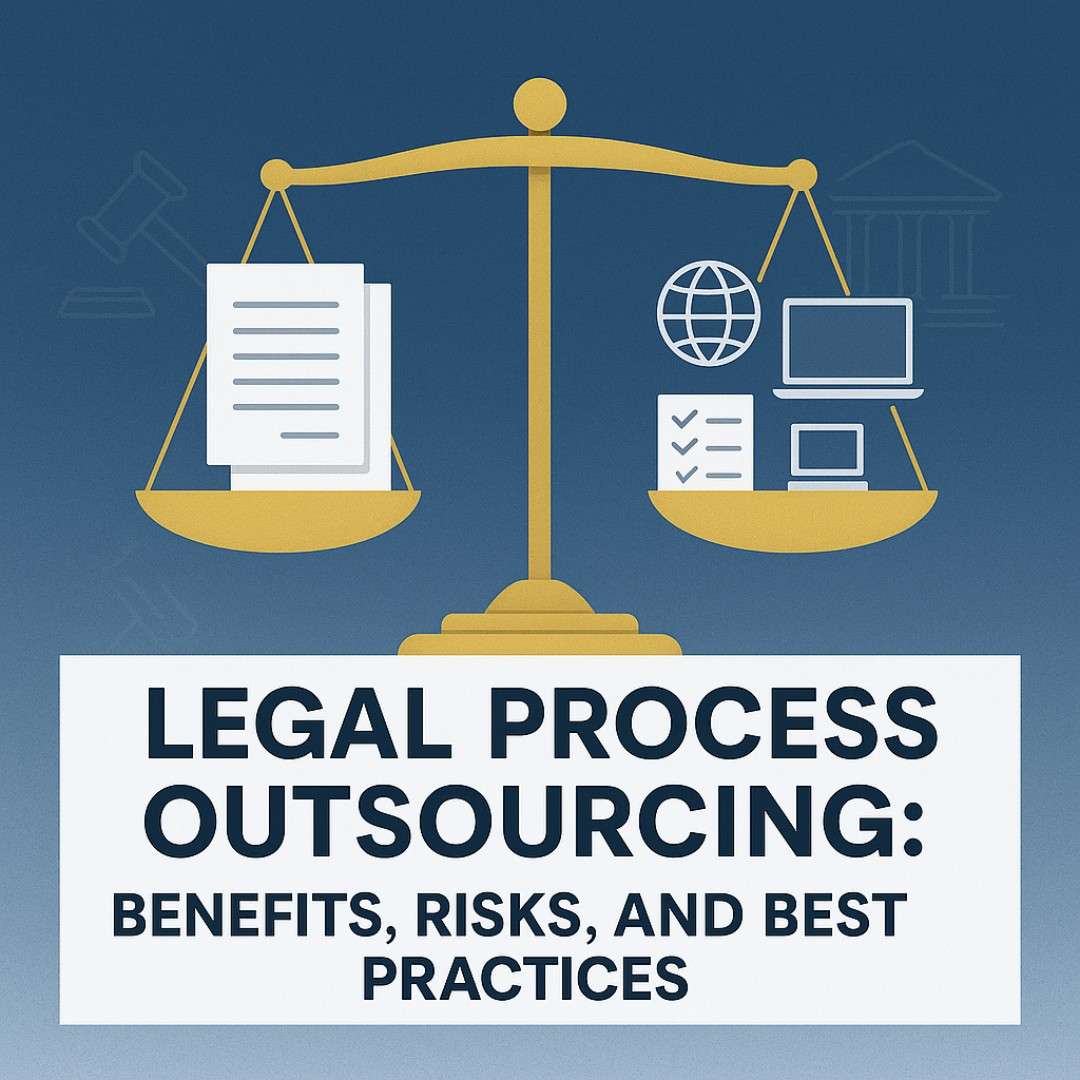
Legal process outsourcing (LPO) enables law firms and in-house legal teams to delegate specific tasks to external providers, streamlining operations and reducing costs. It has gained traction across the industry, underscored by a clear shift to best practices and measurable outcomes. A strong emphasis exists on balancing benefits such as cost savings and efficiency with challenges like data security and regulatory compliance.
When implemented strategically, LPO can intersect with Business Process Outsourcing models, creating integrated legal and operational support that maximizes efficiency and resource allocation.
This comprehensive guide aims to educate legal professionals about LPO, discussing its benefits, risks, and actionable strategies for implementation. With tailored LPO solutions and strategic guidance, Girl Power Talk empowers legal teams globally to make informed outsourcing decisions for optimal outcomes
Understanding Legal Process Outsourcing (LPO)
Legal process outsourcing (LPO) transfers specialized legal tasks to external providers, enabling firms to manage workloads efficiently. Here, we dive into its principles, motivations for adoption, and the factors contributing to its evolution.
What Is Legal Process Outsourcing, and How Does It Work?
LPO differs from traditional legal services by emphasizing external delegation of specific processes rather than relying on in-house teams. Providers often assist with tasks like contract review or patent filing, operating under well-defined agreements.
In-house counsel plays a critical role in LPO strategies, ensuring legal compliance and alignment with business goals. Law firm operations teams also monitor vendor performance and maintain workflow consistency. According to a 2023 global LPO market analysis, the sector is poised for continued growth due to advancements in technology and globalization.
What Is Legal Process Outsourcing, and How Does It Work?
Outsourcing offers scalable solutions that enhance efficiency and resource allocation. By delegating repetitive or labor-intensive tasks, firms can focus on more substantive legal work that directly serves their clients.
LPO impacts operations by reducing bottlenecks and supporting scalability. As firms grow, outsourcing ensures access to additional talent without overextending internal resources. This dual advantage of flexibility and cost management makes it a compelling option.
The Evolution of LPO: Key Trends Shaping Its Future
LPO has evolved significantly, driven by globalization, the rise of offshore legal services, and advancements in technology. Providers in regions like India, South Africa, and the Philippines offer cost-effective options without compromising quality. Automation tools and artificial intelligence (AI) further enhance efficiency, paving the way for even more sophisticated workflows.
Factors such as remote working trends and advancements in AI-powered legal processes are central to shaping the future of LPO, creating immense value for firms willing to adapt to these changes. Innovations in back office outsourcing are also contributing to the refinement of global LPO capabilities.

Types of Legal Services That Can Be Outsourced
Outsourced legal services span a wide range of activities, catering to different organizational needs. Firms can tailor outsourcing strategies to their unique challenges and goals, leveraging LPO providers for both routine and highly specialized tasks.
Which Legal Processes Can Be Outsourced Effectively?
Outsourcing offers cost-efficient solutions for commonly time-intensive and manual tasks:
- Contract review: Essential for ensuring legal compliance, outsourcing this process allows law firms to enhance both speed and accuracy.
- Patent and intellectual property services: LPO providers manage filings, research, and procedural documentation, freeing internal teams for innovation-related tasks.
Outsourcing these operations helps law firms streamline processes while focusing on higher-value activities.
Commonly Outsourced Legal Services: Use Cases That Stand Out
Legal outsourcing spans a variety of use cases. Notable examples include:
- Litigation support and e-discovery: Especially beneficial for small firms, these services provide expertise without requiring significant upfront investment.
- Administrative tasks: Routine activities such as document management, legal transcription, and calendar coordination save time and resources.
Both scenarios highlight how firms can allocate resources more effectively with the right support.
Project-Based vs. Ongoing Outsourcing: Key Differences
Firms must decide between short-term project-specific outsourcing and long-term partnerships.
- Project-based outsourcing is well-suited for tasks requiring specialized expertise within specific deadlines, such as legal research for complex cases.
- Ongoing partnerships are ideal for administrative or recurring processes like billing or case documentation.
The choice depends on operational needs, with both models offering clear advantages based on organizational priorities.
Benefits and Risks of Legal Process Outsourcing
While LPO offers many benefits, evaluating and mitigating associated risks ensures long-term success for legal professionals.
What Are the Benefits of Legal Process Outsourcing?
The primary advantage of outsourcing is cost reduction. LPO minimizes overhead expenses by leveraging skilled talent in low-cost regions without compromising service quality. Another key benefit is access to specialized expertise. Providers often employ professionals with deep subject-matter knowledge, enabling firms to expand capabilities efficiently.
What Are the Key Risks or Drawbacks of LPO?
Challenges in LPO typically revolve around data security, compliance, and quality control:
- Data security: Confidential information shared with third parties poses confidentiality risks if not managed properly. Firms must demand compliance with robust cybersecurity protocols.
- Regulatory barriers: Offshore legal services face constraints imposed by foreign legal practice rules. Navigating these restrictions requires careful planning and oversight.
Collaborating with experienced, vetted LPO providers helps mitigate these challenges effectively.
Managing Risks: Best Practices for Mitigating Challenges
Implementing best practices limits LPO pitfalls:
- Create confidentiality and non-disclosure agreements to safeguard sensitive information.
- Build contractual frameworks that outline data protection and dispute resolution mechanisms.
- Regularly examine jurisdiction-specific rules to ensure compliance with legal standards.
These measures build a strong foundation for cooperating seamlessly with LPO providers.

Selecting and Implementing an LPO Strategy
A well-defined strategy is critical for realizing the full potential of LPO services. From selecting the right provider to maintaining effective communication, careful planning ensures success.
How Do You Select the Best Legal Process Outsourcing Provider?
Choosing an LPO partner involves evaluating several key factors:
- Specialization in required legal services and a proven track record.
- Cost efficiency compared to the firm’s operating budget.
- Region-specific expertise, particularly in countries like India, the Philippines, or South Africa, where cost savings and expertise often align.
These considerations serve as benchmarks for selecting reliable and capable providers.
Key Steps to Get Started With Legal Outsourcing Services
Firms can begin by outsourcing straightforward processes to gauge effectiveness:
- Start with repetitive yet low-risk activities, such as legal transcription.
- Pilot projects help evaluate provider performance and spot potential issues early in the collaboration.
Such incremental approaches offer quick wins while laying the groundwork for more extensive engagement with LPO services.
Managing Relationships With LPO Providers Effectively
Clear and consistent communication ensures successful provider relationships. Regular performance reviews reveal areas of improvement and allow for constructive feedback. Tools like Clio and CaseMine assist in tracking key performance indicators (KPIs) and document workflow alignment.
According to a 2024 study analyzing corporate LPO partnerships, firms that deploy advanced case-tracking tools report improved vendor accountability and efficiency. Leveraging hybrid outsourcing approaches can also provide flexibility by combining in-house and outsourced resources strategically.
Outsourcing vs. Insourcing: Making the Right Decision
Deciding between outsourcing and insourcing depends on cost structures, resource availability, and operational goals. Each option has its merits, which firms must weigh carefully.
When Should Firms Outsource Instead of Relying on Internal Resources?
Factors such as budget constraints and workload complexity influence outsourcing decisions. For instance, firms experiencing rapid growth often outsource non-core activities to maintain focus on critical client-facing tasks.
Conversely, insourcing garners an edge in scenarios requiring frequent collaboration between teams, as it promotes transparency and streamlined communication.
Pros and Cons of Outsourcing Legal Services for Different Firms
Small firms benefit from outsourcing through reduced overhead and enhanced service scalability. Meanwhile, large firms often adopt hybrid models, combining in-house resources with outsourced partnerships to optimize operations.
These distinctions ensure that firms—regardless of size—can tailor outsourcing strategies to specific business objectives.
Factors to Consider Before Deciding on LPO Solutions
Key considerations include:
- Financial implications, such as cost per task compared to internal labor costs.
- Cultural and language compatibility for smoother cross-border collaboration.
- Legal restrictions specific to offshore service regions.
Evaluating these elements aligns the decision with broader organizational needs.

Practical Best Practices for Legal Process Outsourcing
Structured workflows enhance the value LPO delivers over time. By setting clear expectations upfront and adapting strategies as needed, firms create enduring benefits.
What Are the Essential Steps to Ensure Successful Outsourcing?
Defining goals and metrics before starting LPO partnerships ensures clear benchmarks for success:
- Establish KPIs to assess performance, such as process turnaround times or quality benchmarks.
- Train internal teams to integrate seamlessly with outsourced processes, promoting workflow consistency.
These proactive measures reduce friction and lay the groundwork for productive relationships.
Strategies for Optimizing LPO Partnerships Over Time
Fostering trust and adapting strategies ensure ongoing partnership success. Transparent pricing models and periodic strategic reviews help maintain alignment with evolving business priorities.
Advanced Tools for LPO Management
Case management tools like iManage simplify project coordination, while collaboration platforms streamline communication across global teams. Leveraging such tools enhances provider responsiveness and service quality.
Conclusion:
Legal process outsourcing enables law firms and corporate legal teams to reduce costs, improve efficiency, and access specialized expertise. By selecting reputable providers, applying robust risk management strategies, and integrating advanced tools, firms can maximize the benefits while minimizing potential pitfalls. In a competitive global market, leveraging LPO is not just a cost-cutting measure—it’s a strategic decision that enhances service delivery and scalability.
FAQs
What is legal process outsourcing?
It’s the delegation of legal tasks to external providers to improve efficiency and reduce costs, often across borders.
Is legal process outsourcing safe for sensitive data?
Yes, if providers follow strict data security protocols, NDAs, and regulatory compliance measures.
How is LPO different from BPO?
LPO is legal-specific outsourcing, while BPO covers broader business functions like HR, accounting, and customer service.
