
CATEGORIES
Leadership and Networking | People We Admire | Women EmpowermentCan you share a bit about your childhood and how it influenced who you are today?
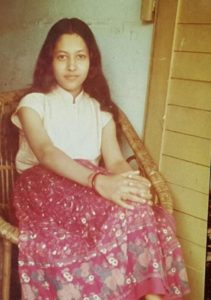
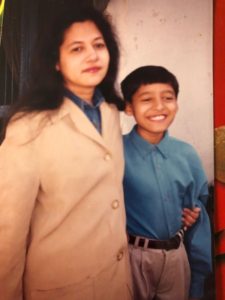
My journey really began at the age of 10, when I lost my father to a heart attack. He was a senior bureaucrat in India, and overnight, everything changed. Suddenly, my mother had to raise three daughters on her own. She had only completed her schooling, but because of my father’s position, the government gave her a job on compassionate grounds and a home for life. That safety net allowed her to bring us up with dignity. But in the back of her head, she knew very well that most women in her position don’t get that chance.
Keeping that context, she then gave us three non-negotiable dictates, which became the foundation of our values:
We have to be at least basic graduates.
Whether we marry or not, we have to be financially independent.
Whatever structured religion we followed, our primary religion had to be humanity and kindness.
Losing my father at such a young age also opened my eyes very early to the Behavioural aspects of society. One day, we were a “respected” family; the next, people’s attitudes shifted because our circumstances had changed. From the age of ten, I found myself observing how people respond to power, loss, and vulnerability. Those experiences taught me two things: first, that every trauma and tragedy is also a learning experience, and second, that we always have a choice. We can become bitter and be crushed by the events, give in to society’s dictates, or we can choose to build character and resilience. My life has been a series of choosing resilience, again and again, despite the odds.
You’ve said you started your professional journey around your early thirties. What was the turning point that pushed you to step out and work?
Like many Indian women, I followed the “script”: I got married, had three children and tried my best to be a good housewife and daughter-in-law. It was an intercaste love marriage, and my in-laws never really approved of me. There were constant put-downs. I even wrote in my book how my father-in-law asked his son why he wanted to marry “this girl” who didn’t even have good teeth.” It felt as if I were some livestock being assessed. For 13 years, I tried to please everyone, followed rituals, covered my head, wore the mangalasutra, and did everything “properly.” Then I realised something important: If people don’t want to like you, they simply won’t. Also, with time, I realized the rules for me were quite different from the rules for the daughters of their house. They could wear trousers; I, now the bahu, had to be in a six-yard saree and fit into a narrow mould of society. That clashed with how my mother had raised me, to be educated, independent and guided by kindness above all. My real turning point came when my eldest daughter, then a teenager, told me, “Mom, don’t sacrifice your happiness for us. When we grow up, we’ll have our own lives. You do what makes you happy. “
With that blessing, I finally said: Enough! At 33, I decided to build a life on my terms. That moment marked the beginning of my professional journey. Now, 44 years into marriage, I am who I am, no validation or approval required.
What was the first job you took after leaving your marriage, and what did it teach you?
At that point, I had no formal “work experience” beyond being a housewife and having a bachelor’s degree. There was no technology or job portals like today; just newspaper classifieds. I remember circling a walk-in interview ad and hesitating, wondering if I could really do this. Eventually, I gathered the courage to show up.
The job was in sales and marketing for computers, a corporate IT role, with absolutely zero background in either sales or tech. All I really had was one thing: confidence and the determination that I had nothing to lose.
The interview was short. The interviewer said,” I can give you the job, but your boss will be much younger than you. Are you okay with that?” I told him I had no problem, I just needed a chance. That’s how I got my first corporate job.
A year later, I decided to move into journalism, despite having no formal training, armed with just one year of IT experience. I spent the next five years immersed in storytelling, interviewing people, writing profiles, and learning the craft of the job. After that, I transitioned into anti-counterfeiting, a field typically reserved for retired cops, lawyers or judges. I was none of those things, but I embraced the challenge and learned everything I needed on the job.
The first job taught me a lesson I carry with me to this day: there is no harm in trying. If you have nothing to lose, you might as well take the risk. You never know where that one “yes” might lead you. Sometimes, it opens doors you never even imagined.
You’ve worked in IT, journalism, anti-counterfeiting and now entrepreneurship. What values stayed constant across such different sectors?
The sectors themselves don’t have much in common. The thread that tied them together is this: no learning ever goes to waste, and everything ultimately boils down to people.
In every industry, I learned something new:
- In Journalism, I was the one interviewing people, profiling them, writing about issues and lives, very much like what you are doing now.
- In anti-counterfeiting, I suddenly became the one being written about, because I was doing work that people did not see as a “woman’s job”, including night-time investigations, raids with the police, collaborating with lawmakers, NGOs and even informers inside counterfeit networks.
Each role stretched me, and all of it boiled down to people management: Understanding human behaviour, systems, and how to guide them.
The learning even shaped my response in the toughest moment of my life when my daughter was raped. Because of my background, I understood the importance of the first 24 Hours, DNA testing and forensic science. I knew exactly what steps to take when the incident happened. Many people, in that shock, freeze; I had a frame of reference.
So while there are no direct similarities between IT, journalism or anti-counterfeiting, each experience built my courage, awareness and resilience. Hence, these experiences have been priceless.
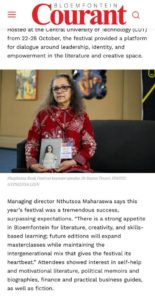
In your LinkedIn Bio, you have mentioned working in a male-dominated field. Have you seen real change in how women are treated in the workplace and society over time?
Industries evolve, technology advances, but I am not sure if people’s mindsets have changed at the same pace.
Today we have more sectors, more roles, and more visible opportunities. But when I look at the issues my mentees face, who range from 11-year-olds to 70-year-olds, the core problems remain very similar:
- Bullying and harassment
- Peer Pressure
- Workplace harassment, including sexual harassment
- Gender discrimination that starts within the family and continues into the workplace as well
Even at home, boys and girls are often raised differently. There are still households where daughters are nudged toward “safe” or “docile” professions like teaching, while sons are encouraged into more “outdoorsy” or prestigious roles. Many families are progressive, yes, but many remain traditional and conservative. So while technology has progressed, I’m not fully convinced that humanity has become kinder or more equal. We still have a long way to go in how we treat each other, especially women and girls.
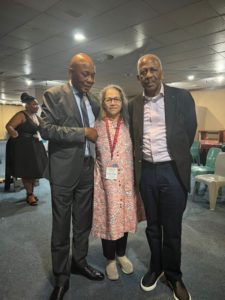
You’ve spoken about meeting “God in Barcelona” and later becoming an entrepreneur in Singapore. How did that spiritual experience lead you into business?
The spiritual turning point in my life came after my daughter’s rape, when society essentially ostracised us for choosing to fight for justice. It was one of the darkest times in my life. In that darkness, I had what I call a spiritual meeting with God in Barcelona.
Shortly after a meditation, I walked into a shoe store in Singapore. The owner recognised me from a previous visit and said, “I have something you might like,” and brought out a pair of red boots, the same I had been seeing constantly in my meditations. Without thinking, I said,” I can’t keep coming to Barcelona to buy shoes. Why don’t you open something in Asia, and I’ll run it for you?”
He handed me a card and told me to speak to the owners. And just like that, I became an entrepreneur, taking up franchise rights and selling handmade shoes in Singapore.
Starting a business from scratch in a foreign country is not easy. Most people said, “You can’t do this.” I’ve noticed that whenever people say, “You can’t,” that’s usually when I discover that I can. Nothing about this journey was pre-planned. It came from following my intuition and saying yes to the opportunities that appeared in front of me.
How do you personally define leadership?
I always say this in my talks and training: Leadership is not about titles or designations; It’s about actions you take in life-altering moments.
- When I stepped out of my marriage and decided to build a career, that was leadership
- When my daughter was raped, and I chose to fight for justice despite being ostracised, that was leadership
- When I started a business in a foreign country with no prior background, that too was leadership
If you don’t walk the talk, you’re not a leader in my book. You can’t preach kindness, systems and values, and then disappear when it’s time to stand up for people.
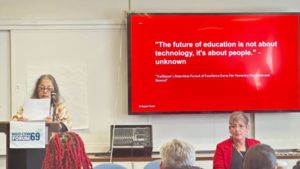
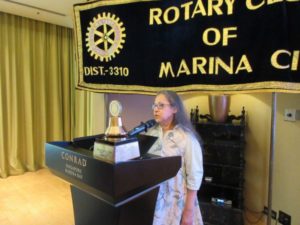
When you look at my LinkedIn profile, the testimonials that people leave aren’t about strategies or plans. They’re about real moments, like when I give a talk on suicide prevention and share my mobile number. People in the audience, sometimes with loved ones at risk, actually reach out. And I hold space for them, because I care and I follow through on what I say. That is Leadership.
For me, leadership is: consistent, courageous, people-centred and actionable.
You mentor people of all ages and backgrounds. How do you guide them in discovering who they are and what they want?
I guide people through my lived experience. I used to half-jokingly say, “I’m everyone’s 2 a.m. and 4 a.m. friend,” and then actually received an award with those exact words.
When someone comes to me, I hold onto one thought: I might be the only person truly listening to them at that moment. Especially when people are suicidal or deeply distressed, the first few minutes of being heard can literally change their choices. It’s not always the professionals or helplines who are there; often it’s just a human willing to truly listen.
People tell me I’m an empathetic listener. My mentees, including the business school students, may come with “career” questions but often end up unpacking personal journeys, family tensions, and emotional struggles. Because whatever happens inside your home inevitably spills over into your work and the outside world.
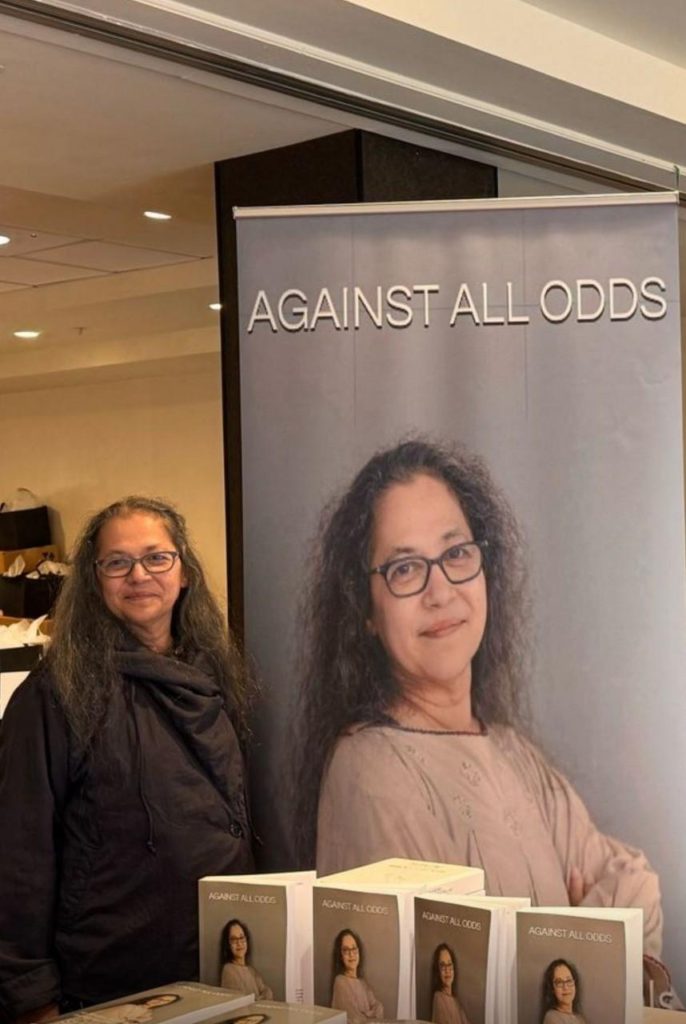
We’re conditioned to answer, “I’m fine, I’m good,” when someone asks how we are. We rarely say,” Actually, I had a terrible fight today, and I’m struggling” Until we learn to be honest about not being okay, we keep bottling things up. That pressure eventually shows up as physical illness and emotional burnout. A lot of what I share is captured in my book. I like to say: Except for being murdered, almost everything else is covered there.
As someone who believes a mentor-mentee match is rare, what makes that relationship truly meaningful to you?
For me, a mentor-mentee relationship is never one-sided. It’s not just “you learn from me.” I believe I also learn from every mentee I work with. Every conversation with a human being can teach you something, if you’re willing to truly see it.
What makes it meaningful is:
Openness – both sides are willing to show up honestly, without performing or pretending.
Acceptance – you don’t try to force the other person into your own mould; you meet them where they actually are.
True listening – not clock-watching, not listening only to reply, but really tuning into the words, emotions, pauses and silences.
Some professionals listen until the official time is over and then simply say, “We’ll continue next time.” For me, after listening, there has to be genuine give and take – reflection, perspective, sometimes just silent presence. You listen not only with your ears, but with your heart and intuition.
That is when mentoring becomes a true relationship, not a transaction.
What advice would you give to young people – especially women – about marriage, motherhood and ambition?
I’m very straightforward with my mentees, especially women. I usually say:
1. First, don’t get married out of societal pressure.
In today’s world, marriage is not the only measure of a woman’s life. It should be your choice, not society’s timeline.
2. Second, there’s no rule that you must have a child.
You are the one who will carry and give birth. Don’t do it because your hormones, relatives or neighbours insist. If you feel strong maternal urges, get a pet; you’ll receive unconditional love and loyalty without being forced into a life you’re not ready for. And if you truly want children, you can always adopt, because so many children already need a home.
3. Third, if you do marry, marry for companionship.
Both partners should support each other in becoming their best versions, not try to redesign each other after the wedding. In courtship, everything feels acceptable; after marriage, people suddenly want to change each other. That often leads to resentment.
I also tell women, If you’re already working, don’t stop just because of age or expectations. Work doesn’t have to mean a 9-5 corporate job. It can be at your own pace, doing something you love. It keeps your mind and spirit alive and helps you age more gracefully, both inside and out.
You’ve been very open about having moments where you felt like giving up. How do you move through those breaking points?
There have been many times in my life when I’ve wanted to give up, including moments when I have thought about ending my life. Those thoughts still surface up sometimes.
But there is another part of me that never allows that thought to win. I remind myself that I’ve been through so much already, and that no one else can fight this inner battle for me. People can hold your hand for a while, they can walk beside you for some distance, but ultimately, the decision to keep going has to come from within.
I have a very strong belief in the right to live with dignity. In my book, I’ve even written about certain conditions under which I might consider ending my life. Not everyone will agree with that perspective, and that’s okay; it’s my personal philosophy. I don’t believe you must live at any cost if you are stripped of all dignity and humanity.
But as long as I can live with dignity, I choose to stay. My way through breaking points is to acknowledge the darkness, but also to tell myself: This will not be the moment that defines my end. I will get past this, too.
