
CATEGORIES
Leadership and Networking | People We Admire | TechnologyOverview:
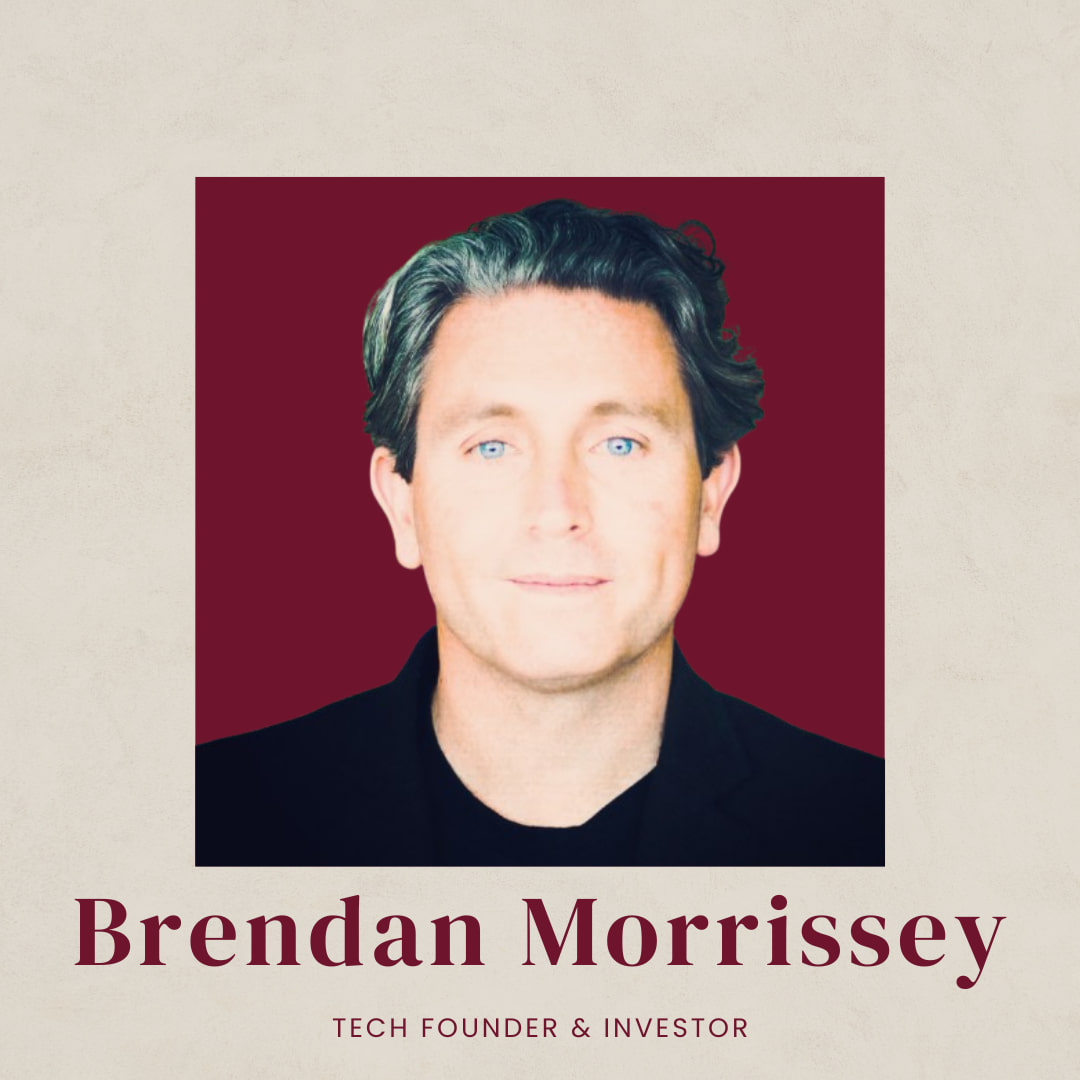
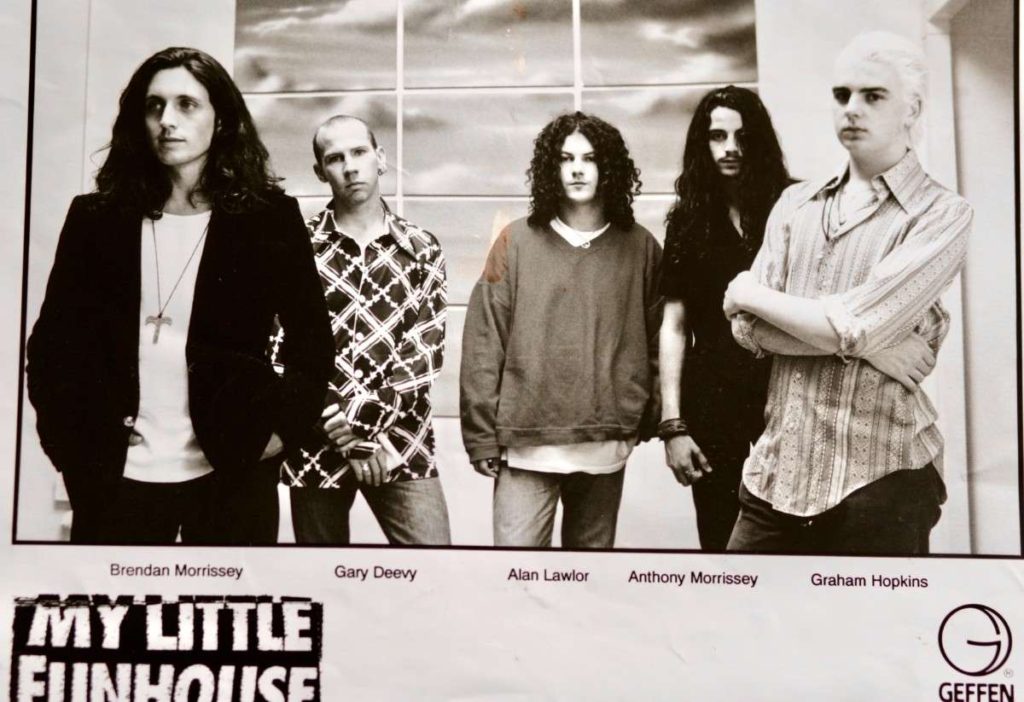
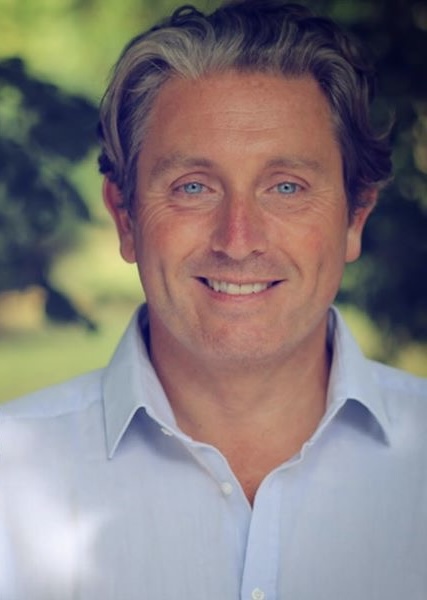
Brendan Morrissey’s journey defies traditional definitions of success. Leaving school at 15 due to dyslexia and ADHD, he went on to tour the world as a professional musician before becoming a serial entrepreneur, tech investor, and social-impact builder. Today, his work encompasses AI, education, assistive technology, and humanitarian platforms that support displaced children and vulnerable youth. In this conversation, he reflects on resilience, leadership, neurodiversity, and the importance of using technology to protect those most at risk.
As someone who started working at 12 and left school at 15 due to dyslexia and ADHD, how did those early experiences shape your work ethic and approach to education?
They shaped everything. I left school in the 1980s, and the sad reality is that education for the neurodiverse community is still broken today. Children continue to fall through the cracks, and there’s often no safety net to catch them when they do.
Because I lived that experience, I know firsthand how damaging it is to be labelled “difficult” or “behind” when your brain simply works differently. That’s why I’m now building AI-based solutions designed to stop children from falling behind in the first place.
This year, I’m developing an AI assessment platform that can identify neurodiverse conditions in minutes instead of forcing families to wait years for a diagnosis. Early intervention is everything. If we can identify challenges early, we can support children properly and uplift them before the system fails them.
Schools are still built around a one-size-fits-all model, and neurodiverse students are expected to adapt rather than being supported properly.
Technology now gives us the tools to track progress both in and out of school, personalize learning, and intervene early, but those haven’t been implemented at scale. That’s the gap I’m trying to close. If we don’t fix this, we’ll keep losing extraordinary minds simply because they don’t fit traditional academic boxes.
After touring the world as a professional musician, what inspired your transition into tech and entrepreneurship?
Life, marriage, and having children. Responsibility has a way of focusing you very quickly when you suddenly have small human beings relying on you every day.
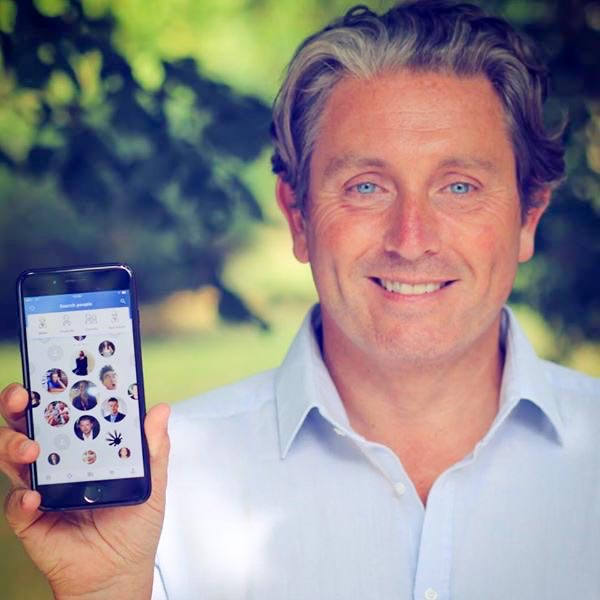
Music was my dream, and I still adore it; it’s my passion. But the industry changed. Building a sustainable career became like finding a needle in a haystack, so I stepped away professionally while staying connected creatively. I’m still a shareholder at ProTunes, which has grown into the world’s largest sync music licensing company with over 8.5 million tracks.
That shift mirrors what we’re seeing now in technology. With AGI, superintelligence, and quantum computing coming fast, I realistically have a few years left as a technologist before much of what I do becomes obsolete. But there’s a lot to build before then.
You’ve worked across music, nightlife, tech, education, and assistive technology. How do you stay innovative in fast-moving industries?
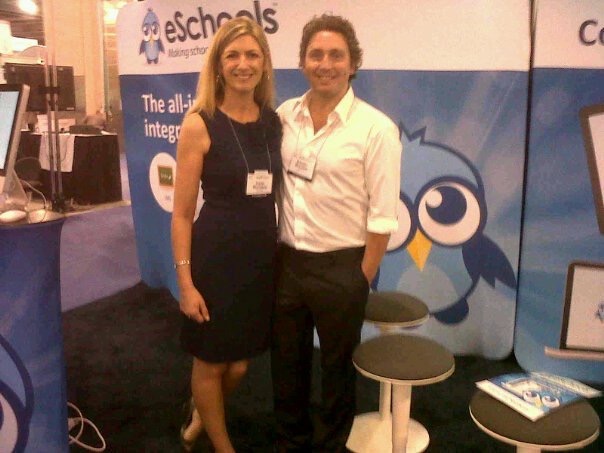
We spot gaps and build quickly. For the past 20 years, I’ve worked with teams in Ukraine using a venture builder model. We fund projects, build the technology there, place it into the market, and then raise capital to bring in management teams to scale.
It works because we retain control and get to build meaningful, exciting projects globally. There’s also an enormous amount of legacy technology that desperately needs upgrading. AI may be the buzz now, but we’ve been building AI systems for over 15 years.
What does a typical day or week look like now as a founder and investor across 30+ projects?
There’s no such thing as typical. Every week is different, and travel is constant. Last month, I was in Dubai and Abu Dhabi twice, working with the Royal Family on new AI platforms launching in 2026. I was also in London, Ireland, and Germany.
Over the next two months, I’ll be back in the Middle East, Vietnam, the south of France, Los Angeles, and Guyana. It’s intense, but that’s the nature of my work and building globally.
How would you describe your leadership style today?
Very simply: Decide. Delegate. Disappear.
We start early, around 5 a.m., and move fast. It took me years to learn how to delegate. I used to micromanage everything, but with a portfolio this broad, that’s impossible.
I turn my phone off for a few hours each day, then turn it back on to absolute chaos. It’s self-inflicted; I could do less, but I love the work. My dream one day is to go back to a Nokia 3310. Calls only, ten minutes to send a text, and a battery that lasts a week. That would be heaven.

What drives your commitment to using technology for social impact beyond profit?
This is everything to me. What’s the point of knowing business and technology if you don’t use them to help others?
Right now, we’re building Gaza Schools, a white-label learning management system that allows teachers globally to give free education to Palestinian children in Arabic and 50 other languages. Over half the population there is of school-going age. Only 15% attend weekly classes; 85% stay away due to fear.
When a child loses access to education, they don’t just lose lessons; they lose confidence, curiosity, direction, and hope. Education is a form of love and protection. No child should ever be denied that, even in the darkest circumstances.
You’re also developing platforms addressing mental health and suicide prevention. Why is this work urgent for you?
Last year, four of my son’s friends took their own lives. It feels like a silent epidemic, and far too few people are talking about it.
That’s why we’re building SOSPAL, a free digital safety-net app designed to support young people in crisis. Young people are already turning to AI like a friend, but AI isn’t currently layered with professional, agentic support that can guide someone through a mental health emergency.
Research shows one in five people is now turning to AI to manage mental health. This space urgently needs ethical, human-centred solutions. I could spend the rest of my career working on this alone.
How do you define success for these social impact projects?
Success is impact, not scale for its own sake. If a child logs into Gaza Schools and feels a sense of routine, safety, and possibility, that matters. If a young person feels less alone because SOSPAL exists, that matters.
Technology should catch people before they fall. That’s the metric I care about.
What brings you joy outside of work?
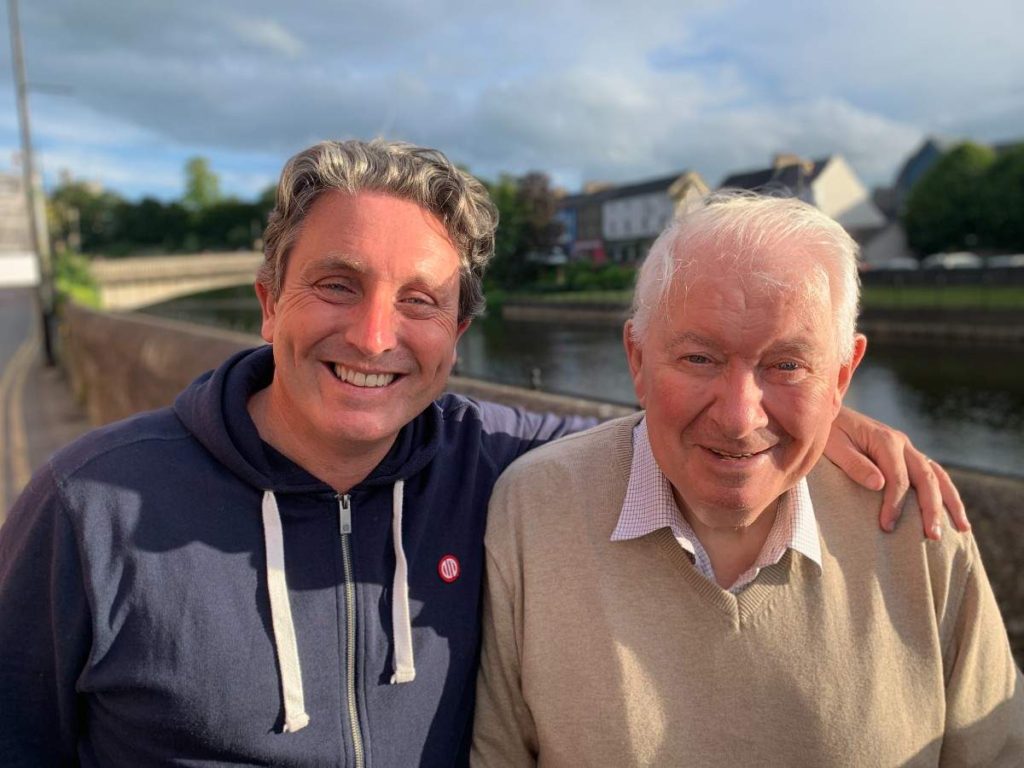
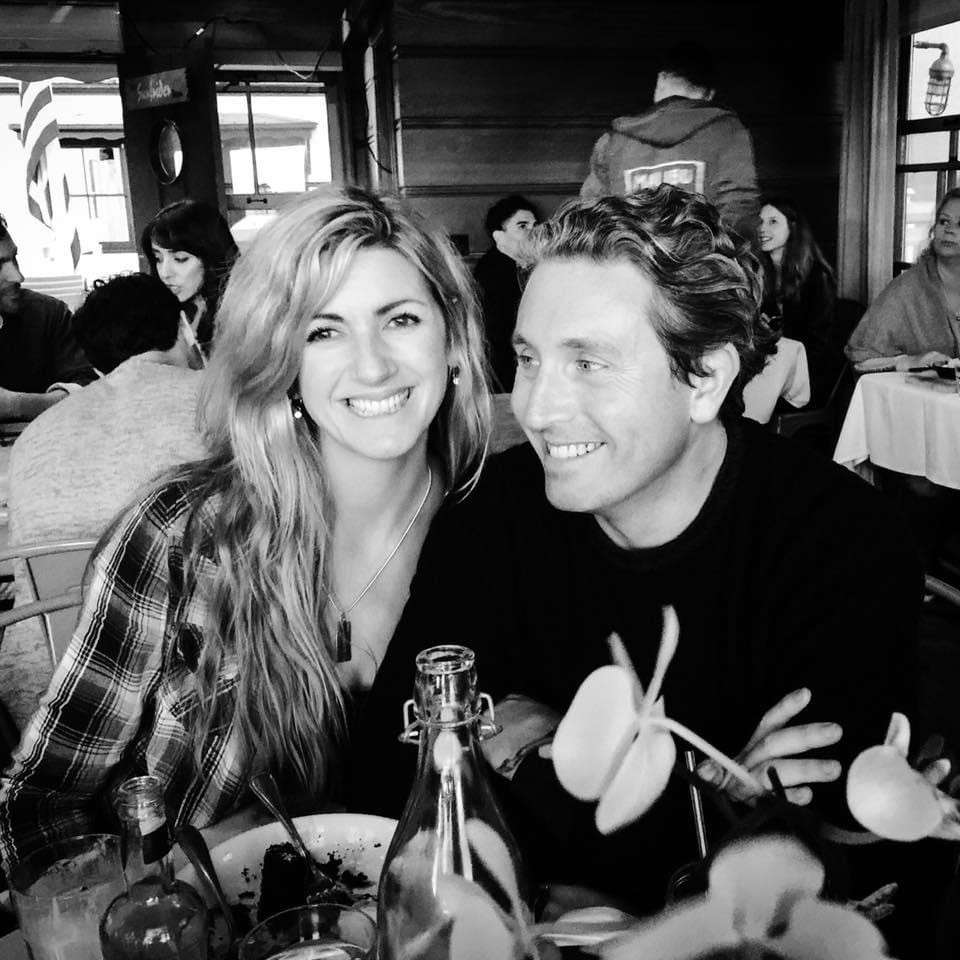
My family and close friends. I lost five people I loved deeply in 2025, including my dad. Life is incredibly fragile.
I don’t drink, I don’t golf, I’ve never even tasted alcohol. Work and changing lives genuinely bring me joy. Building deep technology that touches people every day feels more creative and fulfilling now than writing songs ever did.
Is there a guiding belief or mantra that keeps you going?
“Nothing happens by chance or by means of good or bad luck. Everything happens for a reason… to test the very limits of your soul.”
I read that about 30 years ago, and it stayed with me. Life isn’t meant to be flat; it’s meant to rise and fall. We take the good with the bad, try to be kind, and keep moving forward.
Conclusion:
Brendan Morrissey’s story is not about overcoming failure; it’s about recognizing broken systems and building better ones. From education and neurodiversity to humanitarian learning platforms and mental health safety nets, his work reflects a belief that technology must serve humanity first. In a world accelerating toward AI and automation, his mission is to make sure no one is left behind.
