
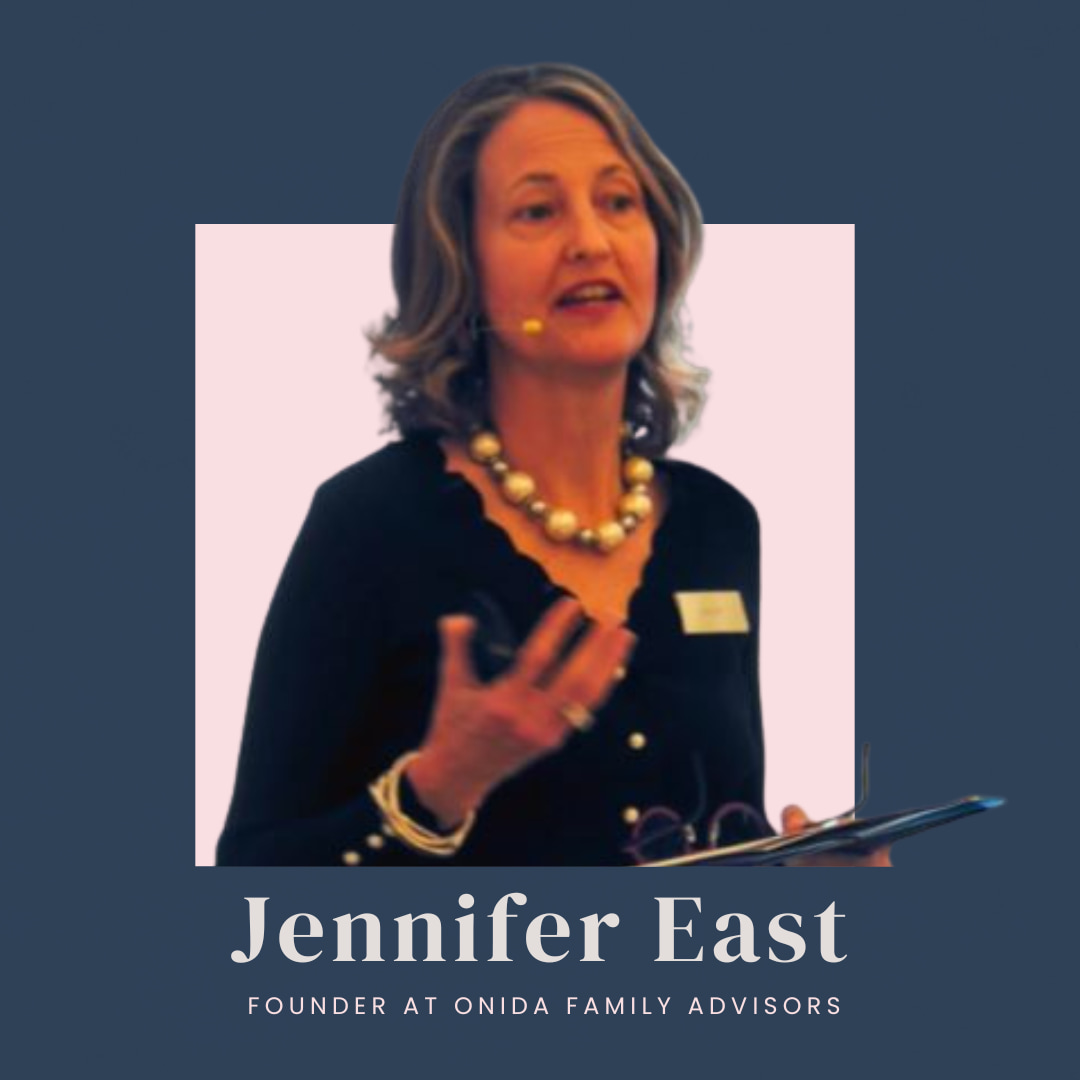
CATEGORIES
Leadership and Networking | People We Admire | Women EmpowermentOverview:
- Jennifer East reflects on growing up in a wilderness resort, and recounts how nature taught her the value of connection and courage.
- She shares the story of Class Afloat and her mission to help young people grow through challenge, service, and global exposure.
- Jennifer opens up about leaving her family business and finding purpose in guiding families through generational dynamics and hard conversations.
- Through personal routines, cultural sensitivity, and emotional insight, she helps others find clarity, soften power structures, and embrace their full potential.
1. Could you tell us a bit about your childhood and how it may have shaped the person you are today?
I had quite an interesting childhood. My family ran a wilderness resort about four hours north of Toronto. It’s still around today, though we’re no longer involved in it. The resort attracted people looking to canoe, hike, and escape the city to reconnect with nature. While most Canadians get excited when the snow melts and spring arrives, I used to feel a tinge of sadness because it signalled the start of the busy season when my parents became less available. That dynamic gave me an early awareness of how work and family life can intersect.
At the same time, it was a wonderful way to grow up. I met new people every day in the form of guests from all over the world who were there to relax and enjoy themselves. I got involved in the business at a young age, helping create a similar experience for others. Watching people step out of their routines and into a space where they could slow down and connect as a family taught me a lot. I saw firsthand the impact of nature and the value of creating space for people to challenge themselves.
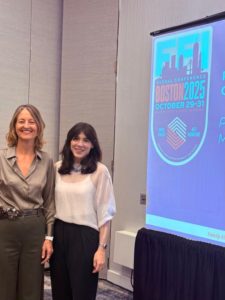
Professional moments made meaningful through connection and collaboration.
2. Could you tell us more about Class Afloat and how it came into being?
Class Afloat is a school that’s been running for 40 years. We’re honored to be the third stewards of the school. My husband has been involved on and off, in advisory and leadership roles over the years, and both of us are passionate about sailing and creating meaningful learning experiences for young people.
The school brings together 48 students and about 30 crew who live and learn together on board a tall ship. Students not only study academic subjects, they also learn how to sail, how to live in close community, and how to navigate physical, emotional, and mental challenges. Many have never been exposed to sailing, yet during the school year they cross the Atlantic Ocean twice. They face seasickness, storms, and even climb to the top of the mast. These are things most adults have never done.They also visit over 20 ports in Europe, North Africa, and the Caribbean.
We build opportunities for them to engage more deeply with local cultures and ways of life. For instance, in Portugal, students take a walking tour focused on untold stories and lesser-known parts of the country’s history—perspectives most tourists wouldn’t encounter. In many ports, they participate in service projects like helping build schools or supporting community organizations. Sustainability and mindful travel are core to our mission.
Class Aloat is a space for students to explore their identity, their potential, and how they want to show up in the world. It embodies the power of experiential learning. Parents frequently tell us “I have a different child now,” because they’re far more independent, self-aware, and engaged. One dad told me his daughter asked to show her closet over FaceTime and then said, “I won’t need much of that.” She started giving things away. That’s what this experience can do. It helps students see what really matters.
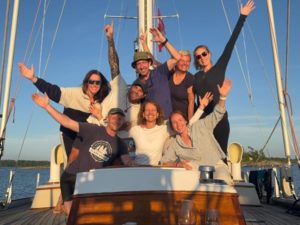
Learning beyond classrooms with Class Afloat.
3. As an avid sailor and adventurer, what is the next place or adventure that you have planned to explore and experience?
We recently took our Class Afloat leadership team on a two-night sailing and team-building retreat. It was a great opportunity to sail together, which, between navigating and cooking meals, required a lot of collaboration. We spent time discussing the organization’s values, vision and future direction in a hands-on, immersive setting.
We are also gearing up for an exciting event that brings tall ships from around the world together. These gatherings happen every few years in the Great Lakes and other parts of the world. The ships sail to a host community, dock there, and open their decks to the public. It gives people a chance to tour the vessels and experience what life at sea is like.
We’ll be participating in one of these events in two weeks, and another in mid-August. It is a big trip, especially with our 11-year-old twins on board, so it is going to be a great adventure. It will be a meaningful experience for them and a chance for all of us to live the shared experience of living and travelling by sailboat.

Jen East and her husband, Douglas Prothero, enjoying a quiet moment together.
4. How did you decide to become a family advisor to improve family dynamics, and what is an experience that you cherish?
I came to this work because I’m one of those family members—someone who’s lived the push and pull between personal identity and family legacy. My father started our family’s resort business in 1948, and by the time I was a young adult, there was already a strong legacy in place. All four of my siblings had worked in the business at some point, but eventually moved on to other paths. I stayed not out of intentional choice, but because I was the one left. Deep down, I knew it wasn’t what I wanted, but when you grow up in a family business, legacy is part of the air you breathe. Leaving wasn’t easy. I had to sit down with my father when I decided to move out, and he was very disappointed. But what I realized was that I was more drawn to the dynamics between generations, the tension between personal identity and inherited expectation.
In 2006, I trained as an executive coach and found a global community of advisors working with families. I felt genuinely excited by the work, especially by helping families traverse complex emotional terrain. Creating a safe space where people can have honest, often difficult, conversations has become something I care deeply about. I know what it is like to be part of the next generation, torn between who you are and who you’re expected to be. It’s like growing up under a big tree. It’s hard to find your own light.
One experience I truly cherish is realizing, a few years after I left the business, that my relationship with my parents, especially my father, had become much more peaceful. Without the weight of the business between us, we could just be a family. That change meant everything.
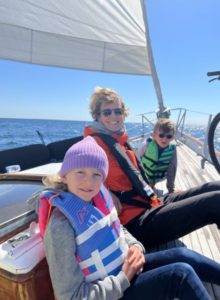
Jen East with her children.
5. Is there any advice you would give to your younger self if you had the chance?
I have three older half-brothers, but they weren’t around much when I was growing up. So even though I wasn’t the eldest, I felt like I was. It was just my younger sister and me at home, and I naturally stepped into the role of the elder child, feeling responsible for everything and trying to meet all of my parents’ expectations.
Looking back, I think I took that sense of “responsibility” too far. I didn’t invest enough time thinking about what I truly wanted or needed. As a young adult, leaving the family business was incredibly difficult. I felt trapped by the idea that choosing a different path meant letting people down. So if I could give my younger self advice, it would be this: it’s okay to ask yourself what you need, even as a child. And it’s okay to make your own choices, ones that are truly your own.
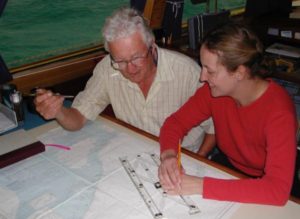
Mapping ideas, navigating challenges, and building solutions together.
6. Could you share a challenge you faced in your career and how you overcame it?
One of the biggest challenges I faced wasn’t professional, it was actually a personal health challenge. In 2009, I came down with pneumonia, which turned out to be a symptom of burnout. I couldn’t work, and I could barely take care of myself. I ended up staying with my brother and his family for a while, and for someone raised to be fiercely independent, surrendering to that level of care was incredibly difficult.
Recovery took months, and during that time I realized I had never learned how to take care of myself. The idea of taking a day off every week had never occurred to me. It simply wasn’t how I was raised. But the body has a way of enforcing lessons we haven’t learned. I had to rebuild from the ground up: creating routines, making space for rest, and learning what balance actually looks like. I worked with a naturopath and explored more holistic approaches to health, and those practices are now a core part of how I live and work. Even when things get busy, I try not to lose sight of those habits. We can’t be fully present for others if we’re not taking care of ourselves.

Jen East with her loved ones.
7. What does a day in your life look like?
Most days, I work remotely. Right now, I’m planning a family retreat happening in August. It brings together the second and third generations of a family business, so I’m building an agenda that sparks meaningful conversations – like what it means to become an owner who doesn’t work in the business, versus one who does. I spend a lot of time thinking about how to present these topics in ways that engage people in their 20s and help them reflect on their current roles and responsibilities.
I also write regularly on LinkedIn, often sharing stories from my work. I try to take everyday experiences and turn them into something useful for others. Right now, I’m inviting families to a forum I’m chairing in Italy this September. People often refer to these as the “soft issues,” but I’ve found they’re actually the most difficult and the most important to address.
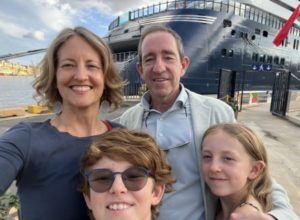
Jen East with her family.
8. What is something that keeps you grounded?
The family I’ve created with my husband and my children are definitely a grounding force. Of course, like many families, they also add to the complexity of life. Especially in the summer, when the children are home for two months and I’m still working; it’s a balancing act.
I’ve also built a few habits that keep me centered. I meditate every morning, and more recently, my husband and I started taking morning walks together. It’s not about fitness, it’s just a calm, intentional way to begin the day. When I’m in Malta, simple routines like shopping at the fruit and vegetable market or visiting the butcher help me slow down and feel connected to the community. It’s those small, everyday rituals that give life rhythm and balance.
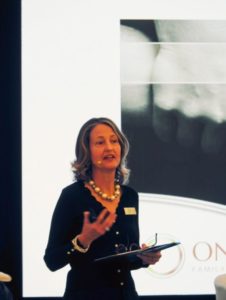
A moment of insight shared on stage.
9. What’s one insight from an earlier role that still shapes the way you work today?
My early experience in hospitality shaped a lot of how I work now. At our family resort, I used to guide guests on hikes and canoe trips. There’s a clear through-line between that kind of guiding and what I do today with families; except now, it’s guiding conversations rather than outdoor experiences.
What I’ve learned is that even familiar conversations can take on new meaning when there’s structure and safety. I help families agree on how to communicate and handle conflict, which opens up space for more honest, productive dialogue. Just like guests once stepped outside their comfort zones in nature, families now do it emotionally, by being vulnerable, listening differently, or expressing things more clearly. Helping people make those small shifts is deeply rewarding. They may seem minor, but they often change everything.
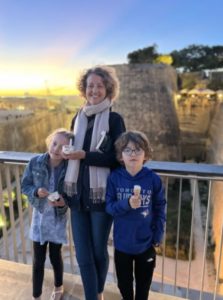
Jen East with her children.
10. Is there anything fun or unexpectedly fulfilling part of your work that people might not guess from your role?
One thing I love seeing and find fulfilling is when someone successful lets go of their public image, even if for a moment. These are people who are used to being seen as confident, in control, and sometimes even untouchable. But when I can create a space where they feel safe enough to drop that guard; it’s powerful.
There’s something deeply human about watching someone admit they don’t have all the answers, or even show vulnerability. And when that person is a patriarch or key figure in the family, it can shift the entire dynamic. Others start to open up too, and that’s when real connection happens. Those moments of authenticity are unexpected and that is what makes this work so meaningful.
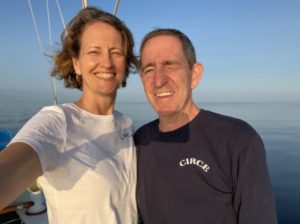
Jen East and her husband.
11. How have your personal experiences, such as working in the family business and raising children internationally, influenced your professional ethics and values?
My values and passion for working with families were deeply shaped by my experience working in a family business. While some advisors are drawn to corporate work, I’ve always felt a strong pull toward helping families, whether they run businesses together, own assets jointly, or simply want to grow stronger as a unit. I know how formative early family experiences can be, and while I’m mindful not to project or try to fix my own past, I’m motivated to help other families have the tools and opportunities mine didn’t.
Raising children internationally and living in places like Canada, the U.S., Spain, the Middle East, and Malta has also shaped how I approach my work. It’s made me more attuned to how values and best practices don’t always translate across cultures. I’ve learned to pause, ask questions, and adapt my guidance to fit each family’s cultural context..
I think living in different parts of the world gives us a healthy awareness of things we might take for granted. It helped me reflect on my own assumptions. Growing up in Canada, I expected things to function in a certain way. Living across different parts of the world has taught me that order and structure aren’t universal or always necessary. That perspective is especially useful when working with young people from ultra-high-net-worth families, who often have specific lifestyle expectations. Sometimes, what looks like abundance can actually hold them back. Helping them reframe that aspect is one of the most meaningful parts of my work.
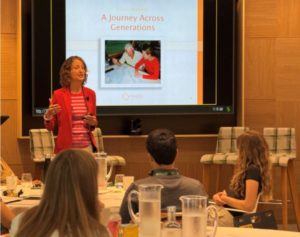
Sharing stories and sparking conversations.
12. Do you have a favorite book or a movie that has had an impact on you?
A book that I would strongly recommend to anyone is called Us: Getting Past You & Me to Build a More Loving Relationship by Terrence Real. He’s a therapist, and while the book is intended to help couples who are struggling with their relationship, it has a broader application. It encourages readers to shift their focus from individual needs to what’s best for the relationship as a whole.
That perspective of holding the relationship itself as the highest good helps reframe how we approach conflict, communication, and connection, not just in romantic partnerships but in any close relationship. It’s a powerful reminder that caring for the relationship can actually bring out the best in everyone involved.
Conclusion:
Jennifer East’s story is one of courage, curiosity, and deep care. From guiding guests on canoe trips to guiding families through emotional complexity, her journey reminds us that meaningful leadership is grounded in presence and perspective. By helping young people confront discomfort at sea, or supporting patriarchs unmask in conversation, Jennifer creates space for clarity, compassion, and transformation. Her life reflects the quiet strength that comes from being grounded, knowing when to let go, and showing up fully for others and for oneself.
