
CATEGORIES
People We Admire | Social Impact | Women EmpowermentOverview:
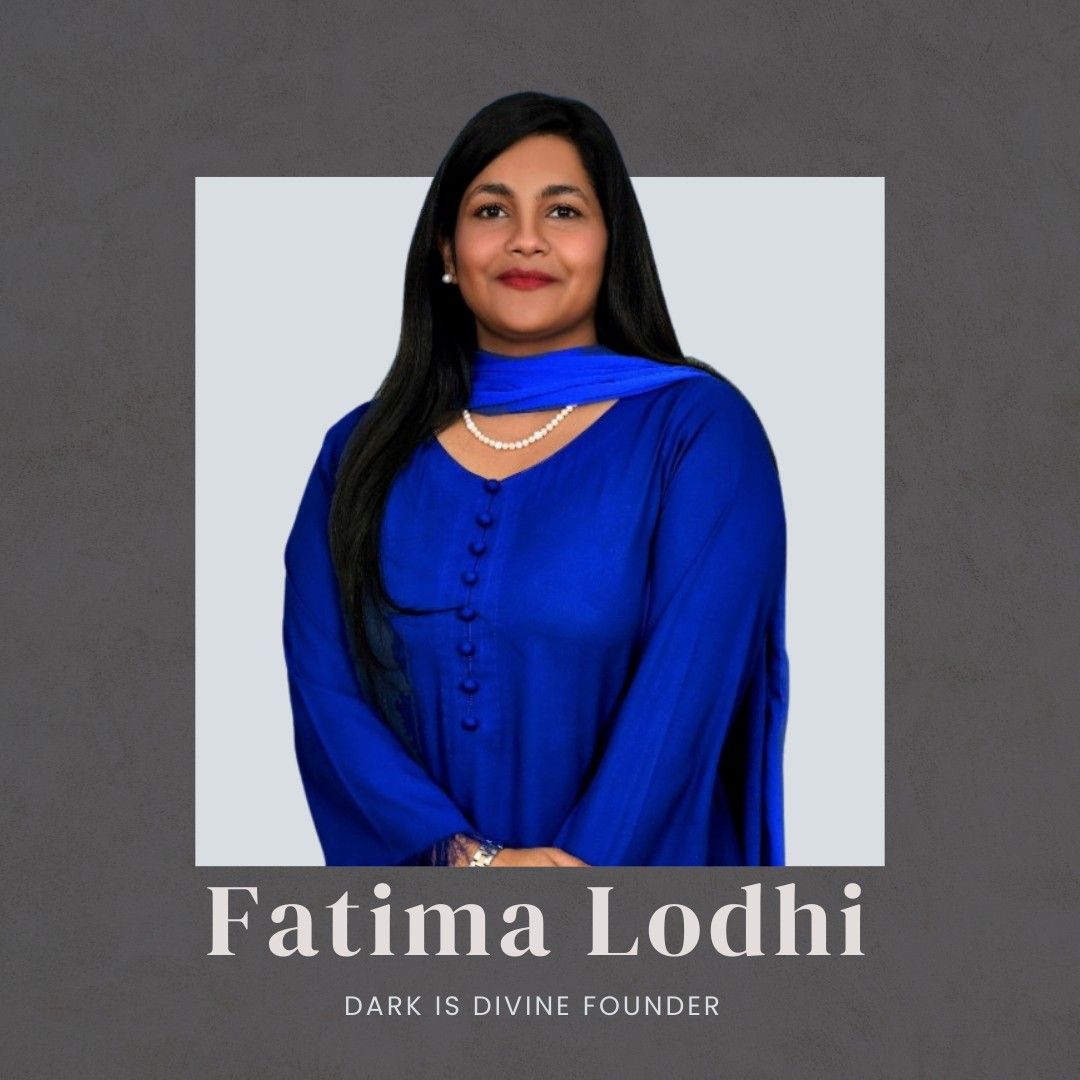
Born and raised in Pakistan, the founder of Dark Is Divine transformed personal experiences with colourism into a global movement spanning 20 countries. Through activism rooted in lived experience, philosophy, and compassion, she challenges deeply embedded systems of control over bodies, beauty, and identity. In this conversation, she reflects on childhood, resilience, resistance, representation, motherhood, and what true success looks like beyond recognition.
Could you tell us more about your childhood in Pakistan and how it shaped who you are today?
I grew up in Pakistan, a country rich in warmth, community, and close-knit family structures, but also one where physical appearance, especially skin colour, carries enormous social weight. My childhood at home was loving and affirming. In my family, skin colour was never discussed as a measure of worth. I grew up feeling safe, valued, and deeply connected to my roots.
That sense of security shifted when I entered school. Outside the home, I was introduced to a society where complexion was openly commented on, often casually, sometimes cruelly, but always normalised. As a dark-skinned girl, I learned early that beauty in our culture often comes with unspoken conditions attached to it.
Living between these two realities, the unconditional acceptance at home and the conditional acceptance of the outside world, shaped me profoundly. It made me observant, empathetic, and eventually fearless. Most importantly, it taught me that silence can wound deeply, while speaking up has the power to heal, not just oneself, but entire communities that have been taught to feel unseen.
Was there a moment when you realised colourism wasn’t just personal, but systemic?
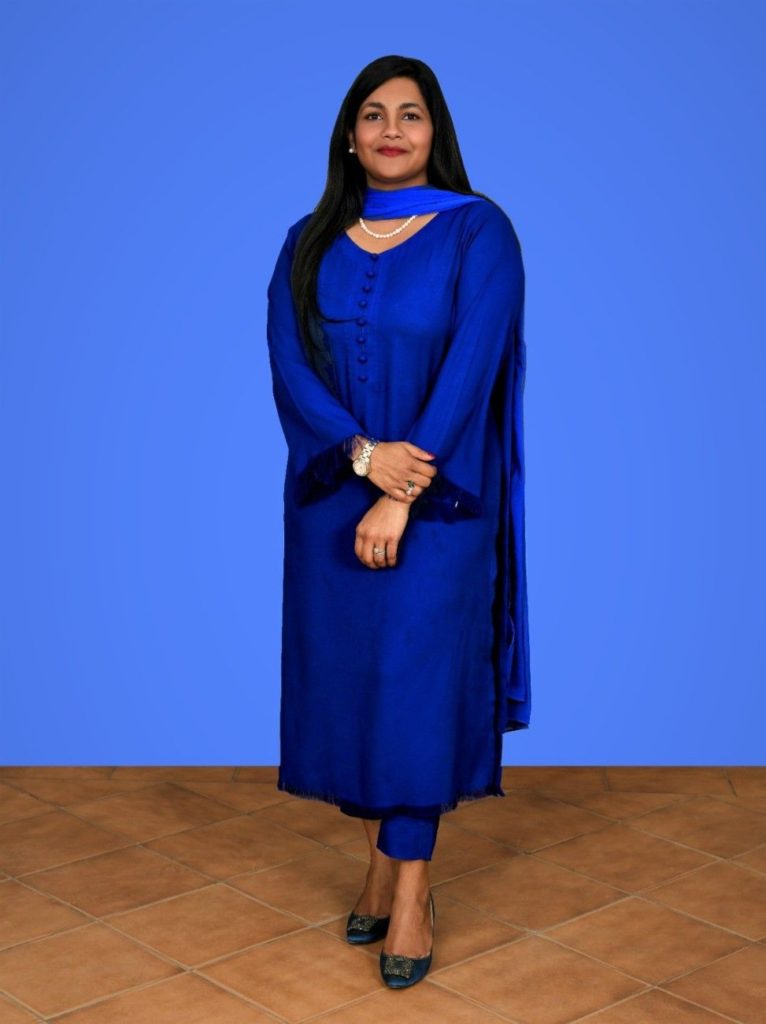
It wasn’t one dramatic moment; it was a pattern. I saw the same comments repeated to younger girls. I noticed fairness creams being marketed as “confidence in a tube.” I saw how success, desirability, and even marriage prospects were quietly measured by complexion.
That’s when it became clear: this wasn’t about me lacking something. It was about a system built to profit from insecurity. Realising that was painful because it revealed how deeply rooted the problem was, but it was also liberating. Once I understood that the shame wasn’t mine to carry, I stopped internalising it.
Dark Is Divine began as a personal response and is now a global movement. When did you realise it had grown beyond you?
The turning point was when strangers started writing to me, saying, “You gave words to what I felt my whole life.” When young girls, men, mothers, and even educators began using the language of Dark Is Divine to challenge norms in their own homes, classrooms, and communities, I knew it was no longer just my story.
That’s when my role shifted. I was no longer just a voice; I became a custodian of many voices. The movement belonged to the people who saw themselves reflected in it.
Activism often comes with resistance. What kind of opposition did you face, and how did you build resilience?
The resistance was intense. I was told to stay quiet, accused of challenging cultural values, and dismissed as someone seeking attention. But resilience came from clarity. I knew exactly why I started.
Discomfort often means you’re challenging something deeply embedded. My strength came from the community of survivors, from those who felt seen for the first time, and from the belief that if my voice shakes a system, it’s because that system needs shaking.
Your work spans colourism, violence against women, acid attack survivors, and sexual and reproductive health rights. How do these issues intersect?
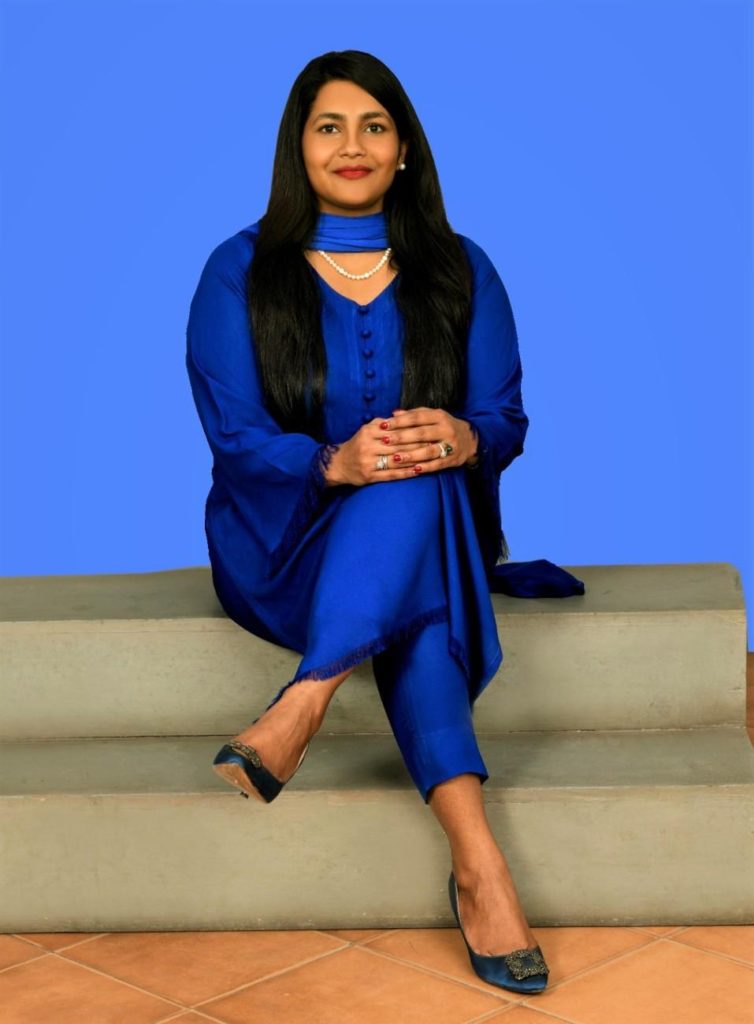
They all stem from control over bodies, identities, and autonomy. Colourism devalues bodies. Violence enforces silence. Denial of sexual and reproductive rights removes choice.
These aren’t separate struggles. They are different expressions of the same injustice. Addressing them together allows us to see the root causes, rather than treating symptoms in isolation.
Representation in Pakistani media is slowly changing. What progress feels real, and where does it still fall short?
Seeing darker-skinned women in lead roles, not as stereotypes, is meaningful. Conversations around consent, body image, and mental health are also important steps forward.
But representation falls short when diversity is only aesthetic, not ideological. True progress happens when narratives change, not just faces. Inclusion without changing the underlying story is still exclusion.
As your visibility grows, how do you ensure your activism stays grounded?
By staying connected to the grassroots. I listen more than I speak. I engage directly with communities that don’t have platforms.
International stages matter, but they mean nothing if they disconnect you from lived realities. Accountability to the people I represent is what keeps me grounded.
How has studying philosophy influenced your approach to justice and identity?
Philosophy taught me to question what we accept as “normal.” It deepened my understanding of ethics, power, and identity, and gave me the patience to sit with complexity instead of rushing toward oversimplified answers.
Activism without critical thought can become reactive. Philosophy helps me stay intentional, thoughtful, and rooted.
Has activism changed you as much as you’ve worked to change society?
Absolutely. Activism transformed me, but motherhood reshaped that transformation.
I began this journey carrying anger and unhealed wounds. Today, I move with compassion, clarity, and intention. Motherhood taught me patience, boundaries, humility, and the importance of choosing my battles wisely.
I’ve learned that I’m not just fighting for change, I’m nurturing it. Sustainable change begins with sustainable selfhood. Caring for myself is also a way of caring for the future my children and all children will inherit.
What would you say to young people who want to speak out but fear backlash?
Fear is natural. Courage isn’t the absence of fear; It’s moving forward despite it.
Educate yourself. Listen deeply. Choose your battles wisely. You don’t owe everyone access to you. Protect your mental health, build community, and remember: silence has a cost too.
When you imagine the future of dark is divine, what does success look like beyond recognition?
Success is when a dark-skinned child grows up without questioning their worth. When will fairness creams become obsolete? When language shifts at home, in classrooms, and in the media.
If Dark Is Divine eventually becomes unnecessary because mindsets have changed, that would be the greatest success of all.
How do you rejuvenate yourself outside of activism and work?
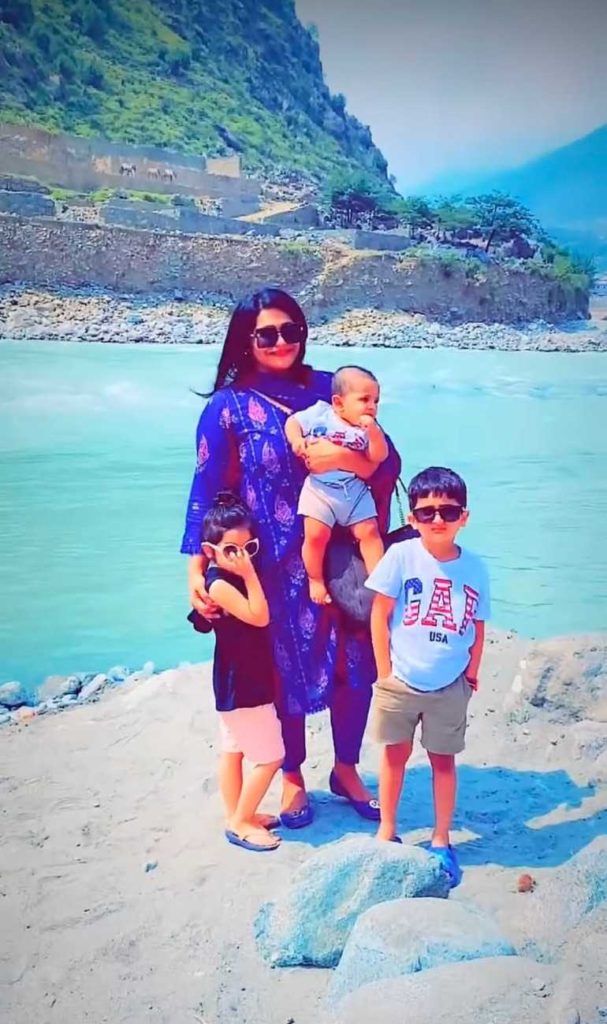
I reconnect through quiet moments, reading, reflecting, journaling, spending time with my children, and being close to nature. I value meaningful conversations, and sometimes doing absolutely nothing.
Rest is not a luxury for me; it’s resistance. It’s how I return stronger.
Conclusion:
From navigating colourism in childhood to building a global movement rooted in dignity and truth, the journey behind Dark Is Divine is one of courage, clarity, and collective healing. Grounded in philosophy, shaped by motherhood, and sustained by rest, this work reminds us that challenging injustice is not just about visibility; it’s about changing the language, systems, and stories that define worth. True success lies not in recognition, but in a world where movements like Dark Is Divine are no longer needed.
