
CATEGORIES
People We Admire | Social Impact | Women EmpowermentOverview:
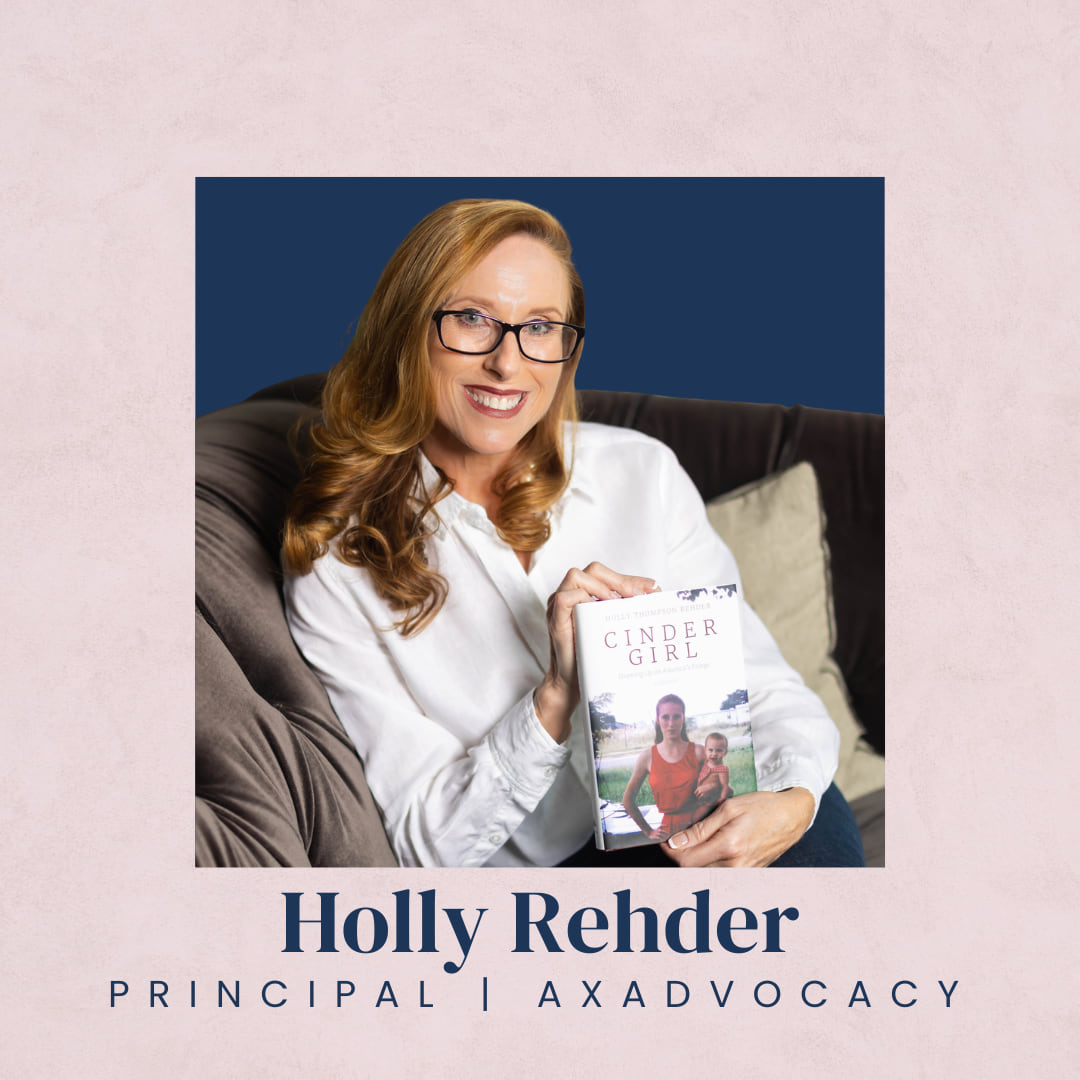
Holly Thompson Rehder’s story is one of resilience, faith, and quiet strength. Growing up in poverty and constant instability, she learned early what struggle looks like and what empathy truly means. Those early experiences shaped the way she sees people, leads with compassion, and shows up for others. Despite leaving school early, navigating motherhood young, and facing challenges that could have stopped her, Holly built a life rooted in purpose. She became a business owner, author, and public servant, using her voice to advocate for addiction awareness and forgiveness. In this conversation, she reflects on the moments that shaped her, the values that guide her leadership, and why sharing our stories, especially the hard ones, can help others heal and grow.
How did your childhood experiences shape the woman, leader, and fighter you are today? What values inspired you to step into public service and leadership?
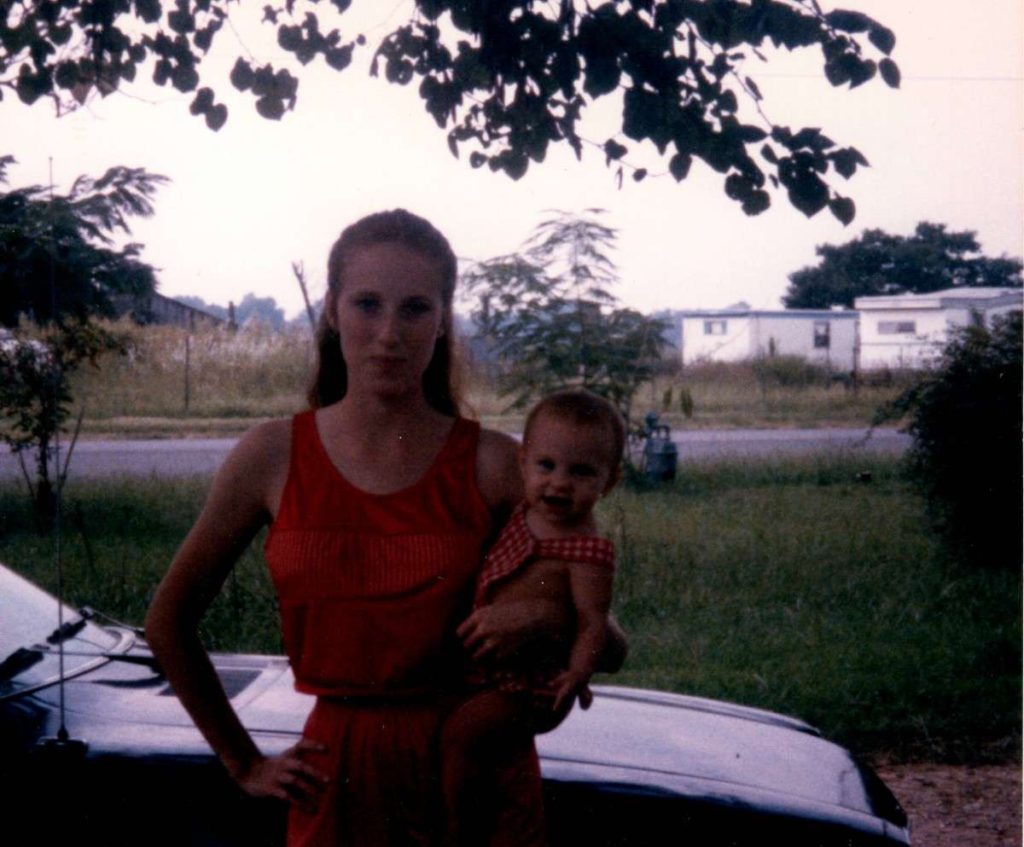
Growing up in extreme instability, moving constantly, living in poverty, and never really having a sense of home gave me a deep understanding of what other people experience. Because of the way we lived, we moved over 30 times across multiple US states from the end of third grade until I was 14 or 15. Being exposed to poverty in different cultures really shaped me.
I was fortunate to grow out of that situation, but it instilled in me a strong desire to help others do the same. It taught me to remind people that they can. I never want people to lose hope, because there are opportunities. And I think, more than anything else, it is the empathy that my childhood experience gave me that has shaped the most significant part of who I am.
Living between these two realities, the unconditional acceptance at home and the conditional acceptance of the outside world, shaped me profoundly. It made me observant, empathetic, and eventually fearless. Most importantly, it taught me that silence can wound deeply, while speaking up has the power to heal, not just oneself, but entire communities that have been taught to feel unseen.
Launching initiatives, entering politics from a background of poverty, and speaking openly about trauma is never easy. What were the toughest battles you faced in your journey to leadership, and how did you overcome them?
When you look at where I came from, nothing was handed to me. I am dyslexic. I had to quit school at the beginning of 10th grade to help take care of my family. When you look at that reality on paper, you would not expect to see a successful person. You would not expect someone like me to have owned and run a business for 17 years, become an author, a state representative, or a state senator. But God opened those doors for me.
During my very first legislative session, I was really disappointed. I grew up around drug addiction, and at that time, my daughter was deep in addiction. I wanted to help those suffering from addiction, both the person in it and the family unit surrounding them. When you grow up as I did, you grow up fighting, and I was ready to fight for my stance. God really pulled me back during a debate on the House floor with another member about addiction, who was treating it like a moral failing instead of understanding the science of addiction.
I saw zero tolerance, closed-mindedness, and a resistance to unlearning in the very people who had the power to effect change. As my anger grew, God opened my eyes and reminded me:. You are here to educate them—to put a face to addiction and the realities they were never exposed to.
That was the purpose behind my book. God instilled in me that I had the knowledge and experiences to show people what they had not seen, so they could find solutions, become empathetic, and help create change for generations. Cinder Girl has really done that. Over the past years, legislator after legislator has come to me and said the book opened their eyes. They tell me they understand their mother better now, or that they are no longer angry at their sister.
I learned that all of our experiences can help move things forward for others if we are open about them and not ashamed. I would not wish my childhood on anyone, but I would not change any of it, because God truly gave me those experiences to help others.
What inspired you to write Cinder Girl: Growing Up on America’s Fringe, and what do you hope young women take away from your story?
I am always writing, and years before I ever started my book, God was already putting the love of it in my heart. Then that first legislative session happened, when I was debating with someone who did not understand what felt normal to me—the hardships of others that are not always of their own choosing. That is what really inspired me to finally do it.
Forgiveness is the most powerful thing you can have in your life. You are not helping someone else when you forgive them. What matters is that it stops eating away at your life. It stops hurting you. Unforgiveness changes people physically. It affects their health, mind, happiness, and days. Forgiveness heals us, allowing us to move forward and help others. That is the most important message in my book.
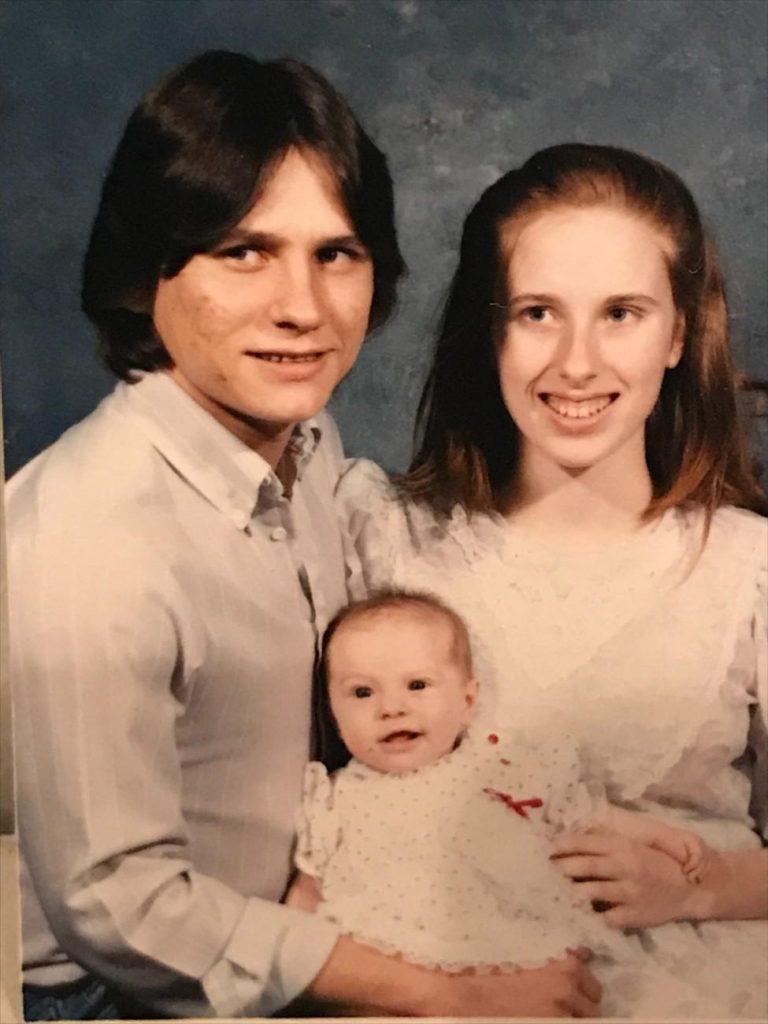
The second part is learning to change your perspective on every situation. Do not focus only on the negatives. No matter what comes at you or what has happened to you, ask yourself what good can come from this. I was 15, married, pregnant, and homeless at times. My husband was not with me. It may be hard to find something positive in that situation, but I learned that I would work as hard as I could to never be in that situation again. I told myself that the daughter in my womb would not be in the same situation at 15.
Experiencing that firsthand taught me that no job was too small. I took whatever job I could get, as a hotel maid, in daycares, doing alterations, and made sure I was the best employee in the room until a better opportunity came up. Now I have been blessed with a beautiful home, beautiful children, and a beautiful family. Because I grew up moving all the time, never knowing what tomorrow would bring, I made sure my children ate together every night. Every Sunday, we had family day and family night. We played games and had fun. Everything I went through made me a better person and made me better for my children. They now have traditions they can carry forward.
That is what we need to do with every challenge in life. Ask yourself, how am I going to learn from this and grow? If you look for it, it is like a hidden treasure.
Your journey spans entrepreneurship, public service, advocacy, and now authorship. What are some values or practices that have helped you succeed across so many roles?
During my prayer time in the morning, I also meditate and make lists. I am very much a list person, and I start every day with one. Oftentimes, I even add time blocks for tasks because you have to be disciplined in your life, and you have to speak positive things into your life. Our words open and close doors. So speaking positive things in the morning really matters. That practice has helped ground me and keep everything in perspective. First thing in the morning, when I put my priorities down on paper, I am deciding what I need to give my time to. It is easy to get lost during the day and realize later that you did not get what truly mattered done.
I do not always check everything off my list, but I am much more organized this way. In the morning, before the world clouds your vision and before it brings you everyone else’s emergencies, you already have your priority list. You know what matters most for your day.
From rural communities to the state senate, you’ve built meaningful relationships across political, social, and economic divides. How do you build authentic trust and connections in a world that often lacks understanding of backgrounds like yours?
In politics, a lot of people try to act more important than others, and I do not live that way. I am dyslexic. I am okay with being wrong, mispronouncing a word, and laughing at myself. I am genuinely curious about what motivates people and what drives them. I am not argumentative because I do not feel like that moves you forward. I am passionate about the things I work for, but I am not vindictive.
Over the years, people have apologized for not voting for my bill. And I tell them I do not even look at that. I do not care who agreed or who did not. I just care about the result—getting the number I need to pass the bill. I am not going to hold hard feelings because I assume everyone is doing what they need to for their district. That builds trust and strengthens relationships, because I am not projecting what I think others should do. My mother, who was the least judgmental person, always said, until you have walked a mile in their moccasins, you do not know.
I do not use big words. I do have a college degree, but it took me 17 years to get it because I was raising babies and working more than full-time. I am not the most intellectual person in the room, but I am the most authentic person in the room. I am the same person at a black tie gala as I am on my couch with my grandbabies on my lap. I am not going to change myself to fit someone else’s mold.
I like me just the way I am. If someone else does not, that is okay. I think when you realize who you are and how great it is to just be you, it helps people lower their shields. It lets them be goofy, normal, or however they feel most comfortable. That is what builds trust.
What are your perspectives on mentorship, and did you have a significant mentor throughout your career?
At different phases of my life, I have had different mentors, including people who did not even realize they were mentoring me. When I was 19, I worked in a mail processing room. Stephanie, the boss’s wife was an accomplished, beautiful attorney, and she always stopped to talk to us while we were opening payments. Just watching her, always beautifully dressed, perfume on, made me want to smell good for my children. It made me want to use hot rollers in my hair and be ready for the day. But it also taught me to take time to stop and visit with people who were not part of my destination. Now it is incredibly important for me to do those things for younger women.
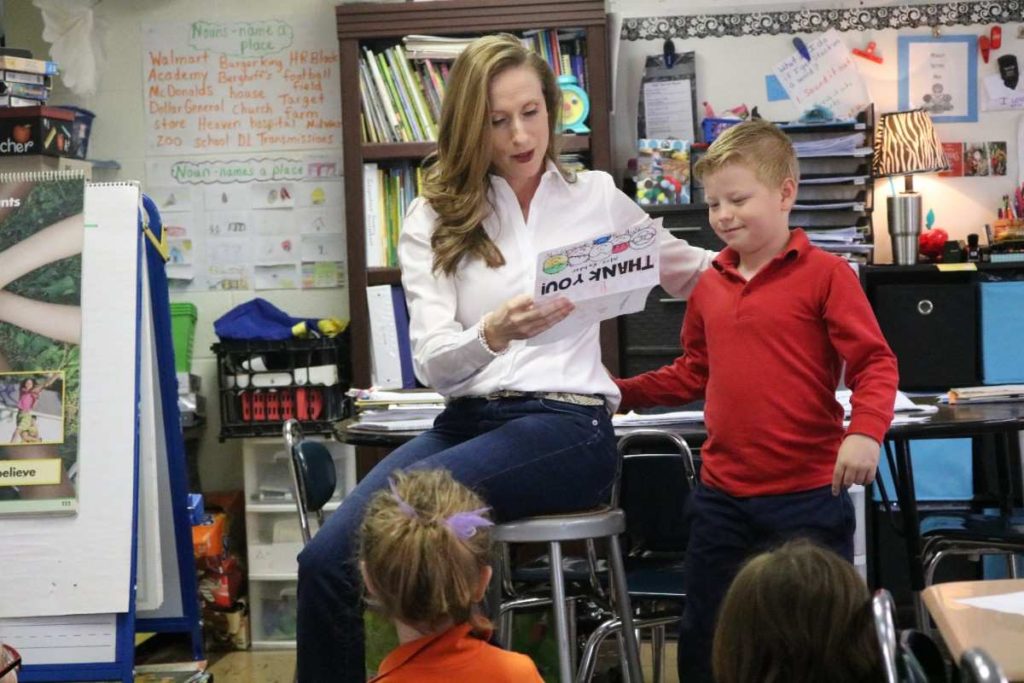
Just this week at the Capitol, two interns stopped me while we were getting lunch in the cafeteria. One of them said, you spoke to my class eight years ago, and I have never forgotten that. I loved that moment. It gave me the chance to talk with a young woman who is now interning at the state Capitol. I gave her my phone number and told her if she needed me, she could call me any day.
I remember what it was like being a young woman in a man’s world—not always knowing how to respond or what to do. Since there were only a few women who were there for me, I now want to help younger girls even more. I want them to have what I did not; even if it is just bouncing an idea off someone or needing to sit with someone after a boss yelled at them and made them feel small. I can tell them I know exactly how that feels.
Is there a quote or personal mantra that has guided you through rebuilding your life, and ultimately rising to leadership?
It comes down to knowing that God wants more for me and spending time reading His word. For me, it means doing the work myself, not just taking little pieces here and there. My grandmother taught me very young that you need to read the word, and to me, that is life’s handbook. I read God’s word and try to live by it. That has been my code forever.

What does a typical day or week look like now as an ex-state senator, author, and mother?
My senate term is over now, but my schedule is still very much the same as it was when I served. I now work in government affairs at the Capitol, so I continue to be involved in politics every day. During the legislative session, I am at the Capitol in Jefferson City for four days a week. I drive up on Monday and come back Thursday night.
At the Capitol, my days are filled with meetings and committee hearings. I work on different pieces of legislation and handle the usual computer work, reporting back to clients, and sharing educational information.
My evenings are also filled with meetings, but I am an early-to-bed person. I really value sleep. You need a strong base to have the energy to keep going, so I am usually in bed by 9:30 every night. I wake up at 4:45, do my Bible study, and work out before starting my day. I think that grounding is incredibly important to keep me energized.
As an author, I am always looking for meetings and conferences where I can speak and be helpful to others. And as a mom and a yaya (grandmother), I try to be available to my children. My kids are all grown, but when they call, I always want to hear their voices.
Something I did not understand as a young mom, but I do now as a 56-year-old mama, is that you have to have a work-life balance. If you do not, everything feels out of sync. Biologically, we need that balance to nourish us, help our souls stay happy, and give us the energy to keep going and tackle the next day.
Outside of your political and advocacy commitments, what brings you joy and inspiration?
Hearing people’s stories and how I have touched someone has brought me so much joy, especially through my book. So many people have stopped me to share what they took from it, or tell me they are really working on the forgiveness part. What I have learned is that in every negative situation, even the ones that I face today, there is something positive. I am a seeker. I believe that everything God allows into my life, good or bad, has a purpose to help me move forward. So whenever something negative comes my way, I try not to get put down by it. I immediately ask myself, what is the positive in this? What good can come from this? What am I going to learn? Learning and growing truly give me joy.
Then there are the everyday moments, too. When my son calls me for no reason, or my grandbabies want to FaceTime me. But really, being that one small memory a young woman carries with her means everything to me. Just like Stephanie, who always smelled so good and had her hair perfectly done with hot rollers, if another girl tells me I helped change something for her, that is what truly gives me joy.
Looking back at your life, what would you tell your younger self about the journey ahead?
I have always been an incredibly intense person, especially with my lists. One thing I have had to learn is to breathe and take time for myself. It is okay to not jump up and start checking things off your list. It is okay to sit on the floor and love your kids without worrying about what someone else needs from you.
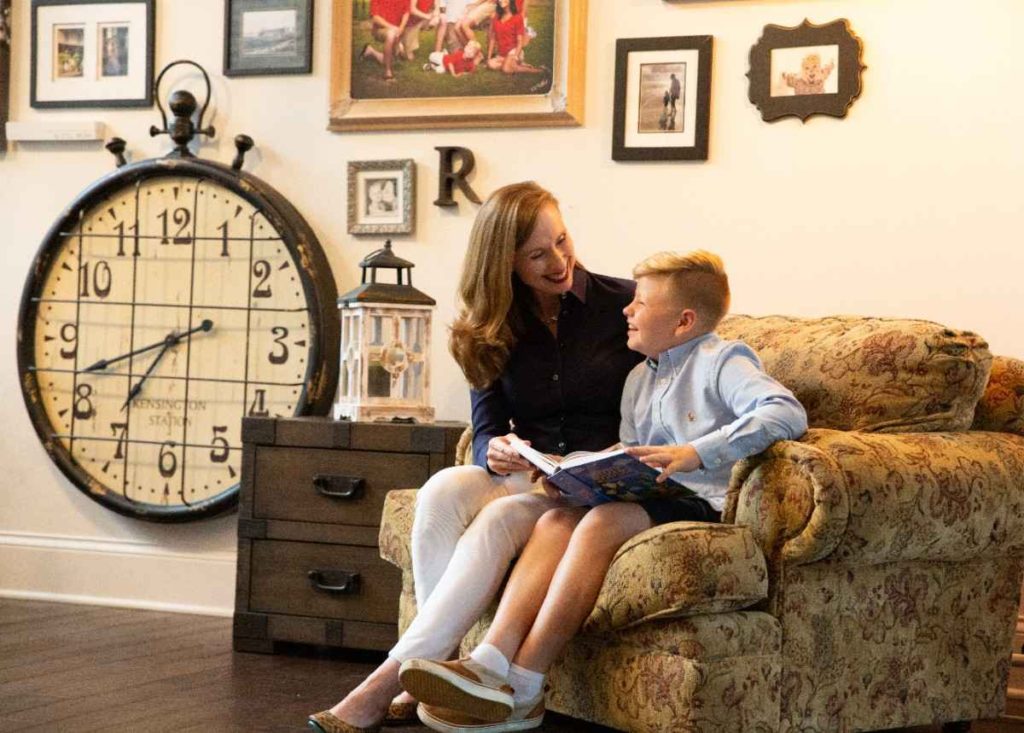
You have to be present in the moment, because those moments are fleeting. Your youth goes by quickly, and those babies grow up so fast. I recently saw a meme that said you never know the last time you pick up your child and carry them. They grow, they become independent, and suddenly it is different. I remember being in church with my five-year-old on my hip while I was singing. I was pregnant, and it was heavy and uncomfortable. I remember thinking I would not be able to do this much longer, but I did not want to put him down. Those are the moments you have to immerse yourself in as often as you can. Those are blessings God gives us and what feeds your soul.
Whatever feeds your soul, it is okay to do that. It is okay to shut the world out and take your moment. Do not feel bad for that.
Conclusion:
Holly Thompson Rehder’s life reminds us that strength doesn’t come from having an easy path; it comes from choosing grace, honesty, and growth along the way. Through public service, mentorship, and her writing, Holly continues to show that our past can become a source of purpose, not shame. Her story is a reminder that forgiveness heals, presence matters, and being fully yourself is one of the most powerful ways to lead.
