
CATEGORIES
#Breaking Stereotypes #Health and Wellness #Well-BeingOverview:
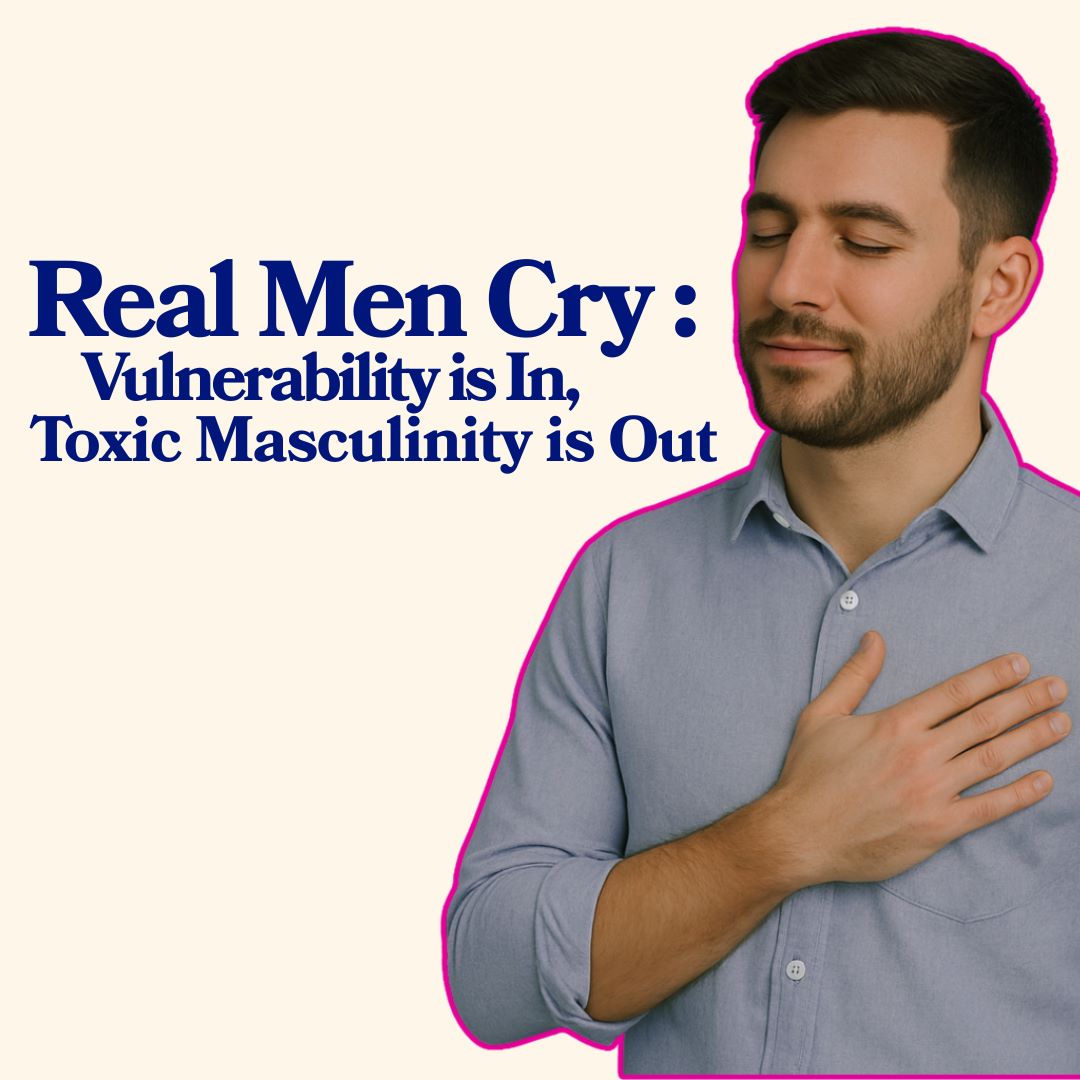
- Toxic masculinity affects men’s overall well-being and their relationships.
- Strength in today’s generation is not measured by being aggressive and dominant.
- Embracing emotions is a sign of courage, not weakness.
- Public figures influence masculinity and play a role in reshaping its definition.
The Silent Damage of the Toxic Masculinity Culture
Many boys learned the word “man up” before they could even learn the alphabet and numbers. Society conditioned them to hide their emotions, silence their cries, and view vulnerability as a sign of weakness. These may seem harmless, but in reality, they teach boys that feelings are shameful and that being strong is linked to acting tough.
Instead of being encouraged to express themselves, boys are programmed to suppress their vulnerabilities, gentleness, affection, and compassion— qualities that actually define healthy masculinity. This conditioning creates silent damage.
Toxic Masculinity Culture results in boys who grow up into men who struggle to communicate openly, damage their ability to show feelings, and potentially ruin friendships and relationships. Silencing emotions doesn’t build strength—it creates weakness, stripping away the very strength society promised.
And so, if acting tough is not true strength, then what is?

Beyond Aggression & Dominance: Redefining Strength in Today’s Generation
For many generations, being a man has been linked with being tough and aggressive. However, these traits are no longer the standard for what it means to be a man, and it actually doesn’t resonate with the word “strong”.
This cultural shift gives men freedom to be who they truly are. Men no longer need to hide who they really are. They now have the opportunity to talk, act, feel, and even love freely.
The new definition of strength reimagines what it means to “man up.” True strength is not measured by how loud your voice is, how fast you throw a punch, or how well you hide pain, but by the courage to face life with openness.
If strength isn’t about acting tough, could it be that emotions actually make us strong?

Emotions as True Strength
Men have always been told that showing emotions makes them weak. But in reality, emotions are linked to the word courage. Showing vulnerability requires more strength than silence that one could even imagine.
Men who allow themselves to be vulnerable build stronger families, closer friendships, and healthier relationships. The willingness to open your hearts out shows that true strength is not hiding your feelings but in sharing it.
True strength is not about how much you suppress. It is about how much of yourself you are brave enough to reveal to others.
If emotions carry this much power, how do we teach boys to see them as strength, not weakness?

Rewriting the Definition of Masculinity: Shaping Emotionally Healthy Boys
The toxic masculinity cycle can be broken by starting with young boys. Instead of putting the words “boys don’t cry”, “act manly”, or “are you even straight?” into the boy’s head. We should tell them that being able to express themselves is a good thing.
Boys encouraged to share their feelings at a young age grow into men who view emotions as power, not shame. They become partners, friends, fathers, and leaders who value care and honesty.
Parents at home, teachers in classrooms, and communities everywhere all play a role in raising emotionally mature boys. By teaching young boys that emotions are strengths, we prepare a generation ready to embrace a healthier culture for all.
As we teach boys a new way, there are public figures that influence masculinity and play a role in reshaping its definition.

The Rise of Healthy Masculinity
Public figures are now helping in showcasing healthy masculinity; some of them are Ryan Reynolds, who speaks openly about mental health struggles, Prince Harry, who advocates for therapy and awareness, and Terry Crews, who emphasizes the importance of embracing vulnerability.
Movies and Series also reflect these; K-drama actors such as Lee Min-Ho, Park Hyung-sik, and Park Bo-gum often have character roles who openly show non-violent traits of men. Such as showing respect, being open with communication, and preferring honesty over aggression.

These roles fight the stereotypes of feminism and which once defined the word masculinity. The rise of healthy masculinity is more than a passing trend. It is a generational shift. Men are learning that vulnerability does not take away strength—it adds to it.
Conclusion
As demonstrated, toxic masculinity starts in childhood, conditioning boys to hide their emotions and view “toughness” as strength. But society is rewriting the meaning of masculinity. Being able to express themselves in a non-stereotypical way creates a healthier future for boys and the people around them. With role models leading the change, the future of masculinity looks brighter and lighter–one where real men cry, and vulnerability is embraced.
