
Overview:
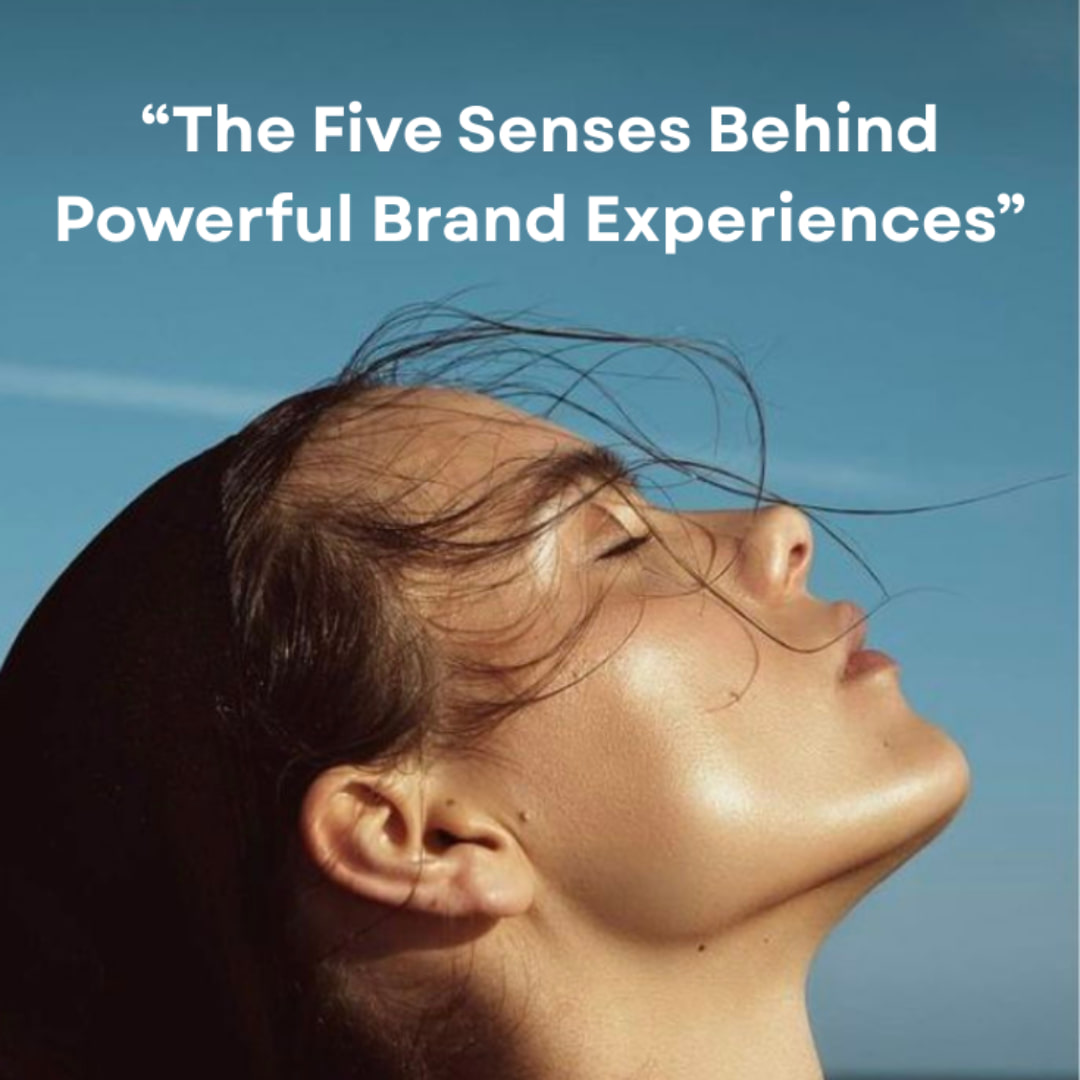
- Sensory marketing capitalises on human senses to influence emotions and decisions.
- Brands create deeper recall by engaging more than one sense.
- Emotional memory takes over rational judgement.
- Sensory branding helps products stand out in a saturated category.
What Is Sensory Marketing?
Sensory marketing is a strategy used to appeal to five human senses and hence, instead of talking only about product features, brands sell experiences which make the product even more appealing and desirable. When the potential target market can see, smell, hear, taste, or feel something memorable, the brain forms emotional associations. These associations influence decisions before logic can take over. For instance, a familiar scent can instantly bring back memories. Similarly, a recognizable sound can create trust without explanation.
As a result, brands stop being transactional. They become psychologically embedded in everyday life. Experience becomes the real differentiator when the brand launches a product in a cluttered market.
Why Sensory Branding Works
When a consumer experiences a product evoked by 5 senses, the brain processes this input faster than conscious buying thought. Because of this, sensory cues take precedence over the choice fatigue creating instant comfort and familiarity.
For example, branding for a small business can use sensory experiences to create a stronger impact than traditional advertising. Engaging multiple senses helps consumers remember the brand more easily, leaving a longer-lasting impression than standard billboards. Brands that appeal to sight, sound, touch, taste, or smell are often trusted more and feel familiar even on the first interaction.
By working beneath conscious awareness, sensory branding quietly builds loyalty and strengthens customer connections over time.
Sight: Maybelline and the Power of Hyper-Realistic CGI
Sight is the most dominant sense in branding. It shapes first impressions instantly.
Maybelline mastered visual storytelling through hyper-realistic CGI.
Their campaigns feature digitally their newly launched mascara brushing through the infamous New York subway adorned with eye lashes. However, the CGI does not feel artificial. Lighting, motion, and surface detail closely mimic the real-world, making hyper-realistic ads feel believable and appealing .
As a result, viewers perceived the visuals as fascinating and desirable. Maybelline sold aspiration entirely through sight.
CGI allows control over perfection while maintaining authenticity. That balance is what makes the visuals persuasive.
Smell: Memory Triggered Through Scent
Smell has popularly been known for their strongest link to memory. It activates emotion before rational processing begins evoking happy emotions linked to the experience and even past memory.
Rare Beauty used this insight creatively for its new fragrance line launch. The brand introduced a scratch-and-smell billboard. Passersby could interact with the advertisement physically. They experienced the scent instantly, without entering a store.
This turned outdoor advertising into product sampling, thereby creating headlines, curiosity and engagement.

Image Credit: Girl Power Talk
Taste: How Rhode Is Re-Imagining Their Skin-Care Ads
Taste does not always require consumption. Sometimes, imagination is enough.
Rhode’s skincare branding used the “glazed donut” concept.The phrase evokes sweetness, softness, and indulgence. Even though the product is not edible, the association works. It shapes how consumers expect the product to feel on skin. This strategy relies on sensory metaphor. Taste imagery creates emotional warmth.
As a result, the brand feels comforting and desirable. Rhode sells sensation, not ingredients. Taste-based branding works because the brain completes the experience. Memory fills in what is missing.
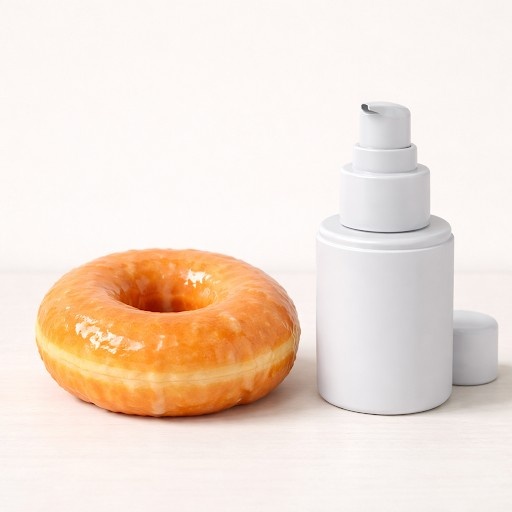
Image Credit: Girl Power Talk
Sound: Hearing That Builds Brand Recall
Sound is powerful because it requires no visual attention.
It works even in the background.
Jingles are a classic example of audio branding. The Vodafone tune is instantly recognizable and is a viral sound. Even years later, the sound triggers brand recall. No explanation is required. Sound also influences mood. Upbeat tones create excitement, while softer ones build trust. Brands now use sound across platforms. From app notifications to podcasts, audio identity matters.
Consistent sound builds familiarity. Familiarity builds trust.
Touch: Coca-Cola Turning a Sip Into a Feeling
Touch reinforces perception of quality. It makes the experience tangible. Coca-Cola has mastered sensory touch branding. The brand focuses on how a sip feels, not just tastes and how that’s the ultimate thirst quencher. Cold condensation on the bottle signals refreshment. The fizz suggests energy and sharpness. Even in advertisements, texture is emphasized visually. Viewers can almost feel the chill. Coca-Cola sells a feeling of refreshment.
The product becomes a sensory ritual.
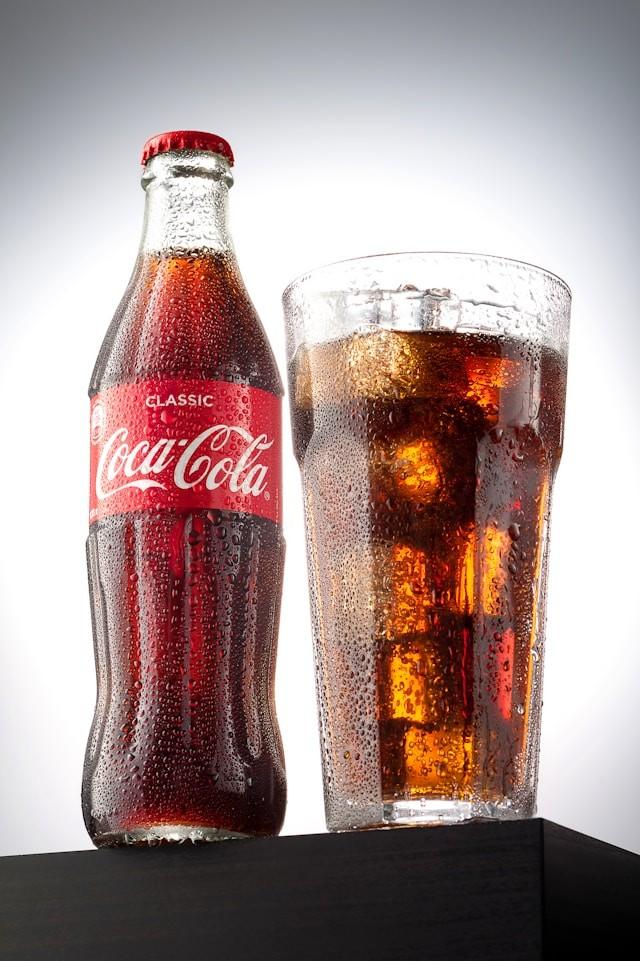
Image Credit: Unsplash
Why Sensory Marketing Builds Long Term Loyalty
Sensory branding works at a subconscious level and thereby creates emotional shortcuts. Over time, consumers stop comparing features and they start choosing what feels familiar.
Moreover, sensory experiences are difficult to replicate. This protects brand identity and helps them stand out from the others. In competitive markets, experience becomes defensible.
That is why sensory marketing endures.
Conclusion
Thus, marketing through 5 senses transforms brands into experiences.
By engaging the five senses, brands build emotional memory and loyalty.
In crowded markets, feeling beats functionality.
Ultimately, people remember brands that engage how they sense the world.
