
CATEGORIES
#Adulting #Education and Life Skills #Well-BeingOverview:
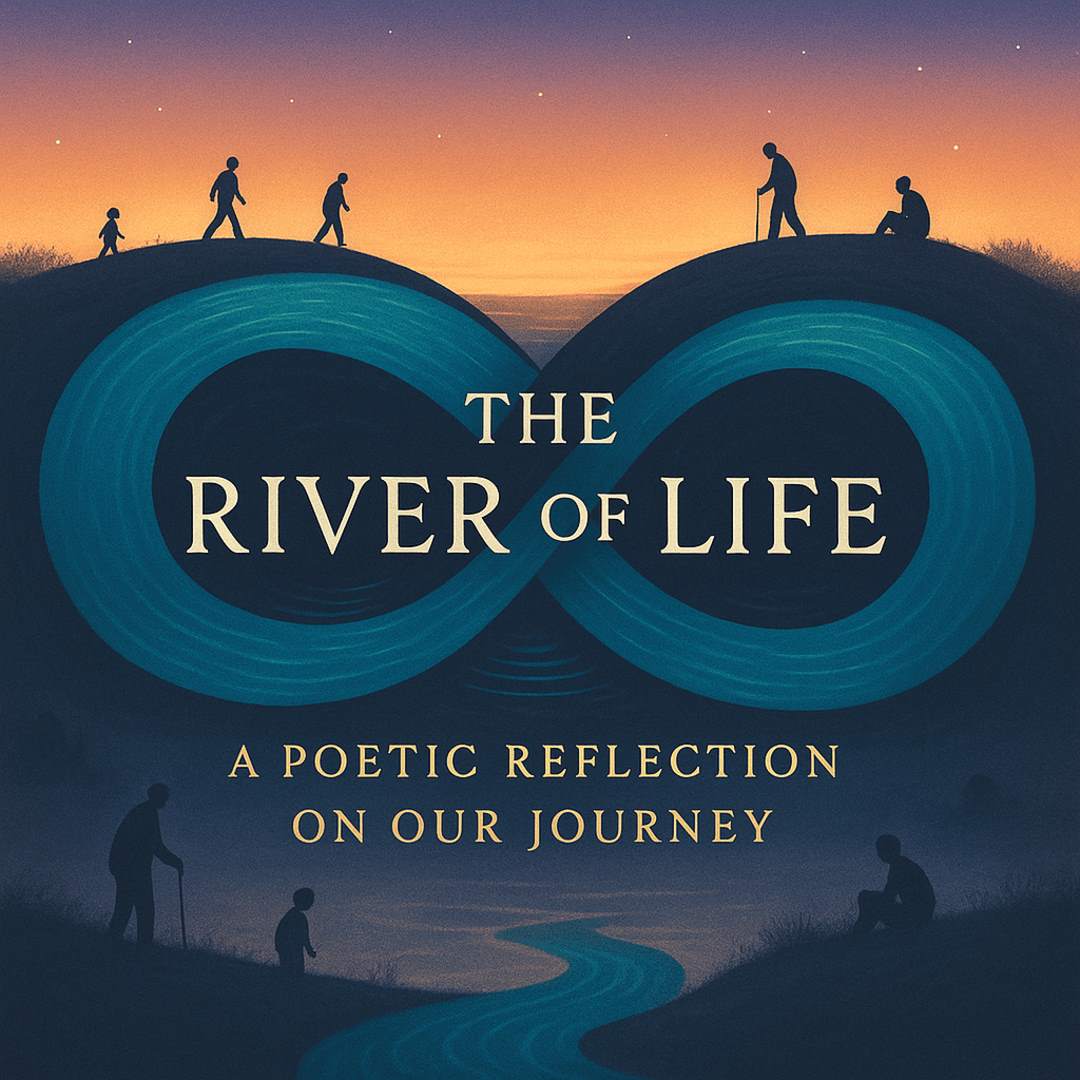
- The river reflects life’s evolving journey.
- Calm waters mirror the innocence of youth.
- Turbulence represents growth and struggle.
- Resilience and acceptance shape our path.
The River as Its Metaphor for Life
Thomas Campbell’s poem “The River of Life” compares existence to a flowing river. He notes, “The more we live, the more brief appear / Our life’s succeeding stages,” reminding us of how swiftly time passes, like a rushing current.
The metaphorical river helps us see life as a journey, not a single event. The river’s flow symbolizes progress and acceptance. Like a river that never returns to its source, each moment in life is unique and cannot be revisited.
The river becomes more than a metaphor, and it mirrors our lives. Life stages shift from the still waters of youth to the rapids of responsibility. As Campbell observes, “No eye can see its fount, nor guess / Where first it sprang to being.” This line reminds us that the origin of life, like a river’s source, is mysterious and sacred, veiled, yet vital.
Calm waters begin smoothly. They quicken as they meet rocks and storms, before calming near the sea. The very imagery speaks of change, continuity, and natural progression. A river never stands still. It bends and twists, deepens and shifts like our lives constantly evolve. Each bend of the river shapes us into who we become.

Youth: Gentle Currents of Hope
The early current of a river flows pure, sweet, full of promise. Likewise, childhood and youth are characterized by faith and hopefulness. “A day to childhood seems a year, / And years like passing ages.”
While we live it, youth feels endless, yet it passes by briefly. In its purity and wonder, this stage lays the foundation for what follows. Dreams take root here, and hope fuels them, carrying us forward.
This stage forms the calm before life’s rapids. Yet, it matters greatly because hope built in these years fuels resilience later. Like a river gaining strength from its origins, youth gives us courage for future challenges.

Adulthood: Rapids of Responsibility
Adulthood mirrors the river of life’s middle course, where waters rush faster, collide with obstacles, and create rapids. Campbell illustrates how time feels heavier with increasing responsibilities: “As the careworn cheek grows wan, / And sorrow’s shafts fly thicker…”
The river collides with rocks, symbolizing the challenges of career demands, family duties, and personal conflicts. These rapids overwhelm at times, yet they carve valleys that deepen strength. These obstacles transform into opportunities for growth.
Adulthood’s current pushes us forward, whether we feel ready or not. The turbulence shows that struggle means transformation, not defeat. Like the river cutting new paths through stone, we learn resilience and adaptability by confronting difficulties head-on.

Resilience and Adaptability: Navigating Storms
These rapids also prepare us for the storms ahead. Heavy rains swell the current, mirroring crises in life. Yet, the river continues forward. Campbell reminds us, “Still onward, like the bounding stream, / Our moments glide away.” Although obstacles appear, movement never stops.
Resilience means flowing instead of resisting. Adaptability is shifting direction when necessary, like water finding new channels, allowing us to cope with failures. Flexibility ensures survival during life’s most brutal storms.
Every storm eventually passes. Rivers calm again, carrying lessons from their turbulence. Similarly, humans gain wisdom and courage after experiencing hardship. Struggles refine character, turning fragility into strength. Like a river, we endure by flowing, not by fighting.
Acceptance: Flowing Toward Stillness
Before a river enters the ocean, its current slows. Maturity yields calm acceptance. Campbell writes, “The stream of life from fountains flows,/ Through green and silent meadows.” These lines remind us that life’s final currents offer serenity and wisdom, a peaceful contrast to earlier turbulence.
Acceptance means acknowledging that everything holds significance at every stage. Practicing self-acceptance allows us to find peace even in life’s most difficult situations. Giving up mental control over things, we find peace. The stillness of flowing water suggests what serenity would be like if we started accepting life as it is.
From this phase, a man looks back, not regretfully but with appreciation. The river has carried us through all innocence, turbulences, and storms. Its journey teaches us that endings transform and do not diminish.

Lessons from the River
The river of life teaches resilience, patience, and acceptance. Dawn is indicative of hope; challenges make one strong, storms corrupt that strength, and calmness is the birthplace of wisdom. Beauty lies in letting go, just as a river sets forth for the sea to exhibit the inevitability of change.
Conclusion
The river shows us that life is always moving. Every phase retains its beauty, from youthful hope to turbulent growth to peaceful acceptance. Just as water running toward the sea gains meaning when we embrace each stage of life with resilience and grace. Learning from real-world examples may inspire us to chart our rapids. We should be taught to go with the flow, not set against it.
