
CATEGORIES
#Breaking Stereotypes #Well-Being #Women EmpowermentOverview:
- Examines the psychology behind the second-born daughter effect.
- Highlights the challenges of identity and comparison.
- Celebrates resilience, adaptability, and creativity.
- Share strategies for embracing individuality.
Living Between Shadows and Light
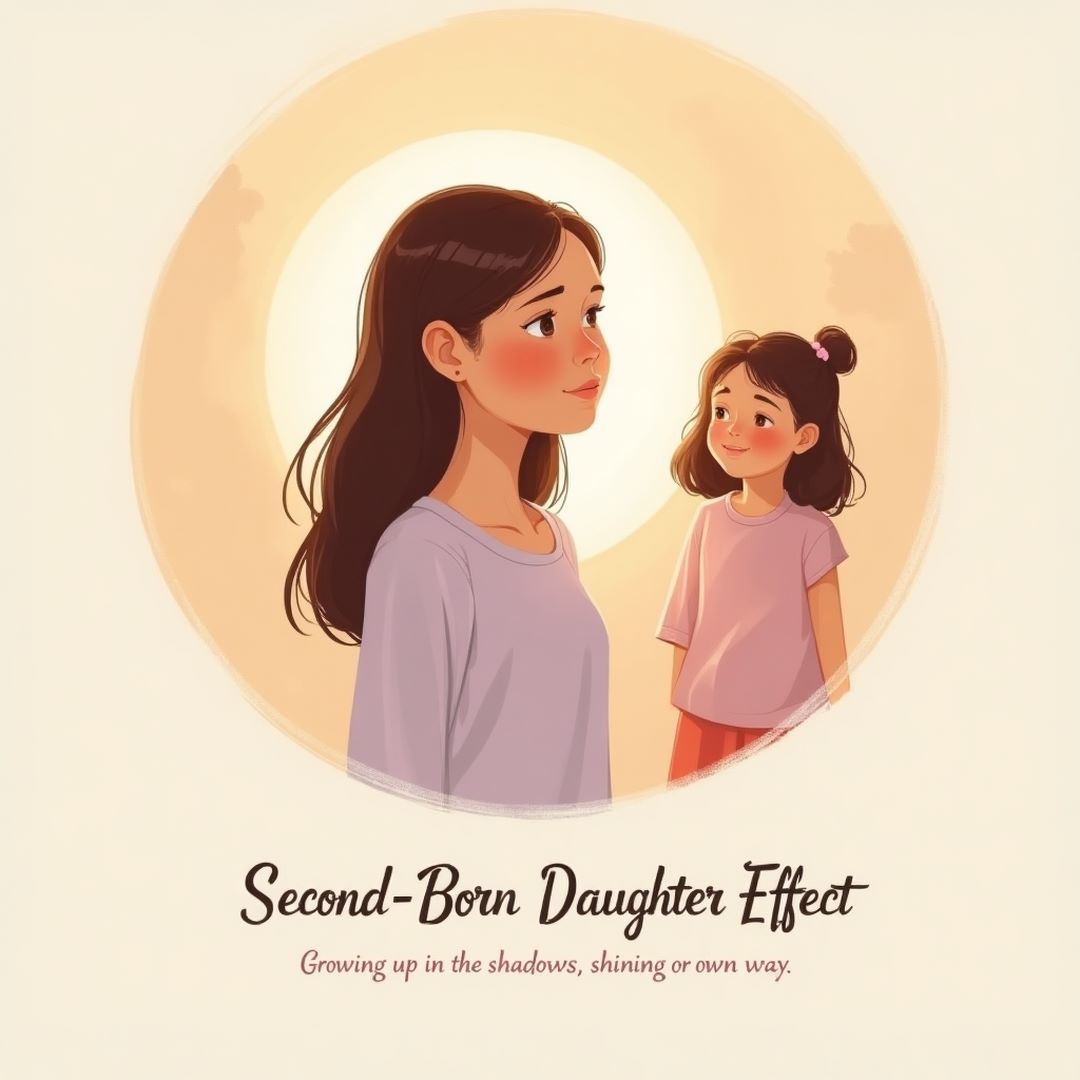
Being the second-born daughter is a lot like living in someone else’s narrative. Families will lavish the firstborn with love and attention, and her accomplishments become the benchmark. The second daughter will therefore sneakily struggle against identity crises, comparing herself to an already defined script.
This experience, sometimes referred to as the second-born daughter effect, is not quite sibling competition. It is an expression of the quiet pressures of birth order, gender role, and cultural expectations. As first daughters are urged to guide and be models, second daughters often struggle with comparison, invisibility, and proving.
But these same struggles also sow the seeds of resilience and inner toughness. The second-born daughter grows by embracing her uniqueness, not competing with her sister.

The Unseen Strengths of Second-Born Daughters
Overlooked is the resiliency that second daughters build. When being noticed doesn’t happen naturally, they develop resourcefulness, creativity, and sensitivity. Life outside the glare gives them space to be observant and solution-minded in a way firstborns may not be.
Second daughters are also adept at high emotional intelligence. They are superb listeners, facilitators, and peacemakers between families. Rather than requiring notice, they exert influence through quiet leadership and empathetic bonding.
Sibling studies indicate that second children tend to become flexible adults who thrive in group environments. Rather than being overshadowed, they excel by bringing distinctive strengths that are underappreciated.
Family Dynamics: Shadows That Shape Identity
Birth order inevitably affects personality. For the second-born daughter, having a first daughter creates a template, it can sometimes be constricting, sometimes freeing. Parents might subconsciously compare milestones, grades, or talent, leaving the younger sister wondering about her uniqueness.
Concurrently, this dynamic compels second daughters to find new paths. Rather than copying the behavior of her sister, she might uncover an artistic talent, a talent for writing, music, or athletics. The impact is twofold: comparison breeds contention, yet it also breeds autonomy.
Knowledge of this psychological phenomenon gives families the ability to break free from poor comparisons. Encouragement, equal respect, and embracing differences enable each child to excel without feeling in competition.

Breaking Free: Redefining the Narrative
Second-born daughters are not destined to live in perpetual comparison. The trick is rewriting the story. Loving oneself for who she is, finding supportive groups of people, and acknowledging personal success, let it be for aesthetics or otherwise. It can recast the sense of self-value.
Parents and siblings are also key players. Embracing differences, rather than perpetuating competition, can shatter cycles of invisibility. At its core, the second-born daughter effect is not an irreversible sentence. It is a challenge that, once realized, is a springboard for growth and independence.

Practical Steps to Leverage Individuality
1. Self-Recognition:
Acknowledge small victories, whether academic, creative, or personal.
2. Journaling and Reflection:
Writing about growth allows second daughters to observe their progress.

3. Constructing Support Systems:
Friends, role models, and support groups outside the home provide new insights.
4. Establishing Personal Goals:
Success as defined by the individual minimizes unhealthy comparisons.
Conclusion
Second-born daughters often start in obscurity, but they often emerge as adaptable, compassionate, and imaginative individuals. By accepting individuality and redefining old scripts, they sparkle in their own light. Their tale is not one of comparison but of change, and demonstrating that identity is constructed, not passed down.
