
CATEGORIES
#Feminism #Inclusion and Impact #Social ImpactOverview:
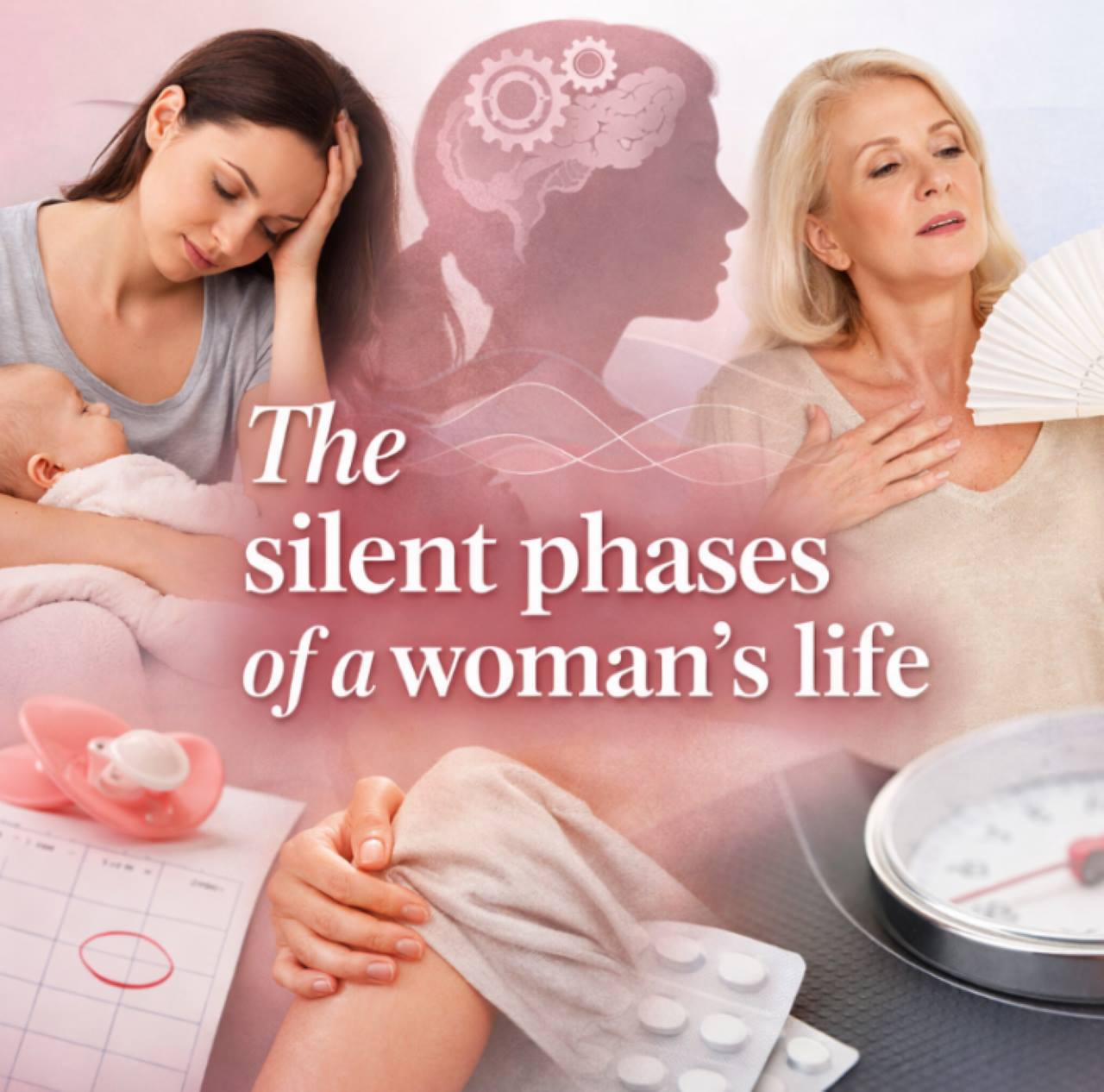
- Overlooked hormonal transitions across a woman’s life
- Perimenopause beyond common misconceptions
- Postpartum recovery beyond physical healing
- Why hormonal awareness and education matter
Introduction
The transitions in women’s life shapes them in ways that are rarely acknowledged. From silent and minor changes that are never caught to major biological changes that may harm a woman’s health. Common names like puberty, periods and pregnancy receive attention due to their common nature but other major transitions remain unspoken for.
Hormonal imbalances in women are common and not rare. These can be caused due to ongoing biological processes that affect physical, emotional and mental well-being. Without open discussions, women keep normalizing the pain, without seeking medical assistance.

Image Credit: Freepik
Why These Phases Remain Unspoken
Health phases in women are ignored and overlooked as they are not considered as serious as medical emergencies. Indian hospitals need to stop normalising hormonal changes in the name of stress and lifestyle imbalances.
Society still avoids discussions of women’s bodies, menstruation, fertility, and menopause, considering them taboo. Because of this silence, women suffer behind closed doors and the knowledge is kept at arm’s length
Due to lack of awareness of transitions like perimenopause, endometriosis,vaginismus;women internalise and absorb their struggles. More women believe that something is wrong with their body rather than considering it a normal phase of life.
Perimenopause: The Transition No One Prepares Women for
Perimenopause is a natural phase which occurs years before menopause, it is a pre-menopause phase, it marks the shift in a woman’s hormones.
Perimenopause causes hormonal fluctuations and imbalances in women which lead to irregular periods, weight changes, anxiety, fatigue. These symptoms arrive when a woman is in her thirties or forties.
When Perimenopause discussions are kept silent, women feel disconnected, irritated and frustrated as they become unsure of their bodies. Understanding perimenopause allows women to deal with these changes with confidence, clarity and not self-doubt.
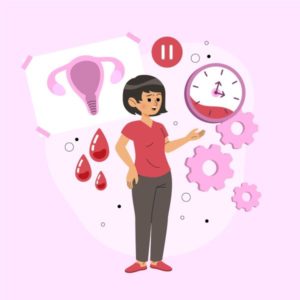
Image Credit: Freepik
Postpartum: Recovery Beyond the Physical Body
The birth of a child changes a woman in many ways. The pain is overwhelming, yet borne by women with a smile on their face.
The usual medical care after childbirth focuses more on the well-being of the child than on the mother. Recovery for mothers is a quick fix that must be achieved within a short period, usually 40 days in India. This forced early recovery pushes women more often into postpartum depression, PTSD, and hormonal changes.
The postpartum period involves severe hormonal changes in women that affect both body, mind, and soul. Mothers who are themselves sick, are expected to not act out and be kind and soft-spoken to all. Different emotions flood a woman all at once due to heightened sensitivity, low energy and often depression.
Yet somehow, society still manages to place expectations on women who are already in severe mental and emotional pain. When emotional struggles are normalised in the name of pregnancy and motherhood, women feel isolated during an already vulnerable phase.
Mothers who are themselves sick, are expected to not act out and be kind and soft-spoken to all. Different emotions flood a woman all at once due to heightened sensitivity, low energy and often depression.

Image credit: Freepik
Everyday Hormonal Transitions Across a Woman’s Life
Hormonal changes in women do not occur only due to major life events. The monthly period cycle, stress, lifestyle changes can also forward the hormonal transitions. These changes affect concentration, digestion, sleep, gut health, and emotional levels.
Because women’s health phases are considered routine, they are never explained in depth. Women are told that discomfort is normal for all women, without any proper knowledge on how to handle it.
Education plays an important role; teaching and spreading information at early stages about health can be beneficial.
The Cost of Silence and Lack of Awareness
If women keep ignoring their own bodies, they will keep going through the discomfort that extends beyond physical well-being. This results in damaged relationships and consistently high stress levels.
Regular and intentional conversations regarding women’s health phases can reduce stigma and provide early assistance to women. These hormonal changes and transitions in women are normal and need to be recognised, validated, and provided with early care.
Conclusion
Transitions and different health phases are what make a woman; these cannot be avoided, yet these are rarely discussed. The lack of awareness leaves women in self-doubt, where they do not have clarity regarding their own bodies. Recognising these changes and more inclusive discussions can help women to know these phases better.
