
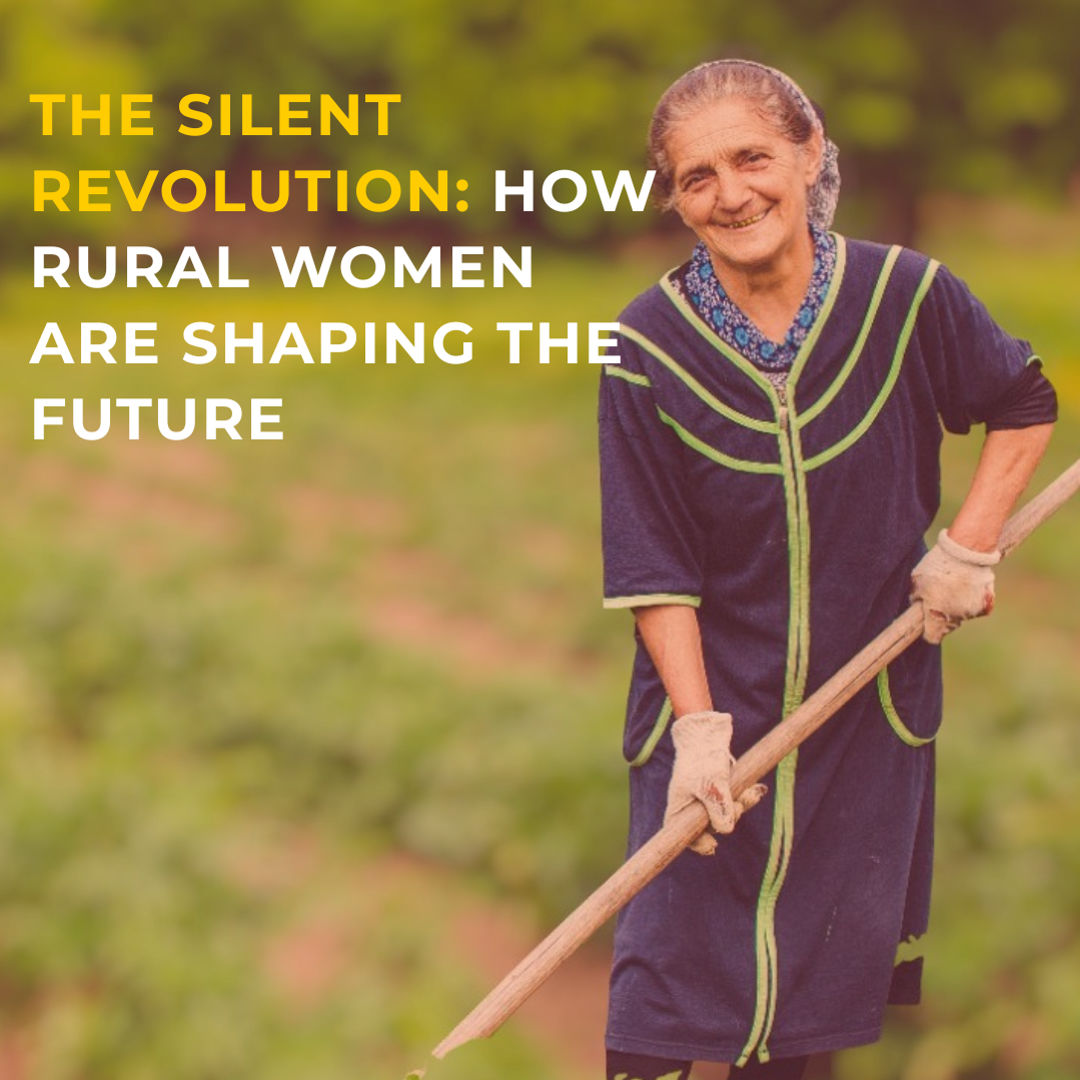
Overview:
- Rural women play a key role in agriculture, entrepreneurship, and healthcare.
- Their contributions are often overlooked but deeply impactful.
- Women sustain families and economies through farming and food production.
- Many are building small businesses and gaining financial independence.
- They lead community health efforts, often as ASHAs or caregivers.
- As climate warriors, they practice sustainable living and teach eco-responsibility.
- By breaking social norms, they pave the way for equality and dignity.
Rural women have long been instrumental in shaping the geography of economic production. Too often, their contribution to this geography is overlooked and disregarded. Women’s most important contributions within agricultural production, entrepreneurship, and healthcare are still silent, but we continue to ignore them.
Through this article, let us explore the roles of women within various disciplines and areas.
Role in Agriculture
The agricultural workforce in rural areas is predominantly female. From planting, watering, harvesting, and selling, rural women are providers of food for entire regions. Rural women provide food to their families and communities, regardless of access to material resources. Rural women modify their methods and practices, yet are still stewards of traditional ways and knowledge. Rural women pass down knowledge of land and traditional practices from generation to generation. Rural women’s labor sustains global food systems and stimulates local economies.
Role in Entrepreneurship
In many areas, rural women have started their small businesses, spanning from weaving and crocheting to selling pickles. Women in these areas are driving rural entrepreneurship through skillsets they have honed over the years. This way of life is breaking the cycle of patriarchy and social norms. It creates a path for them to be financially independent and live a life with dignity.
Role in Healthcare
Women in rural areas serve the role of educators, midwives, and carers. In many places, they run their small clinics and carry out many deliveries. They are the true warriors in saving and giving lives. They are in charge of maternal care programs, sanitation campaigns, and immunisation drives. Many women have also taken on the path to become community health workers or Accredited Social Health Activists (ASHAs).To make sure every mother and child is taken care of, they walk miles every day. Their commitment improves public health systems and saves lives.

Climate Warriors and Sustainable Champions
The climate crisis directly impacts rural women, yet they are mostly disregarded and socially marginalized. Deteriorated soil, droughts, floods, and many other consequences of climate change immediately affect them. Rainwater collection, organic gardening, and seed storage have all been adopted by these rural women. They demonstrate extraordinary resilience that enables communities to grow. Most importantly, they thrive while teaching the next generation to preserve and care for the environment.
Breaking Social Barriers
Many rural lives are still shaped by patriarchy, but women are fighting back. They fight against rules that keep them quiet and obedient. They make their voices heard more by joining self-help groups and cooperatives. They fight against child marriage, dowry, and violence against women. Their bravery gives others the strength to join them. Every act of defiance lights a fire for change.
Conclusion:
The revolution led by rural women is not loud, but it is real.
They are changing India’s social, economic, and ecological fabric.
They are not waiting to be rescued—they are creating their future.
We must empower rural women before we can empower the rest of the globe.
Their journey is a tale of tenacity, optimism, and silent fortitude.
They are building a better, more egalitarian, sustainable, and inclusive future.
