
CATEGORIES
#Entrepreneurship #Gen Z #Leadership and NetworkingOverview:
- Trust in business creates a lasting bond and shapes customer, investor, and employee decisions.
- Marketing campaigns generate visibility, but an authentic reputation sustains credibility.
- Transparency, consistency, and responsiveness form the foundation of stakeholder trust.
- Real-world cases show how strong reputations build loyalty and weak ones cause lasting damage.
- Long-term business success depends on embedding trust into values, practices, and culture.
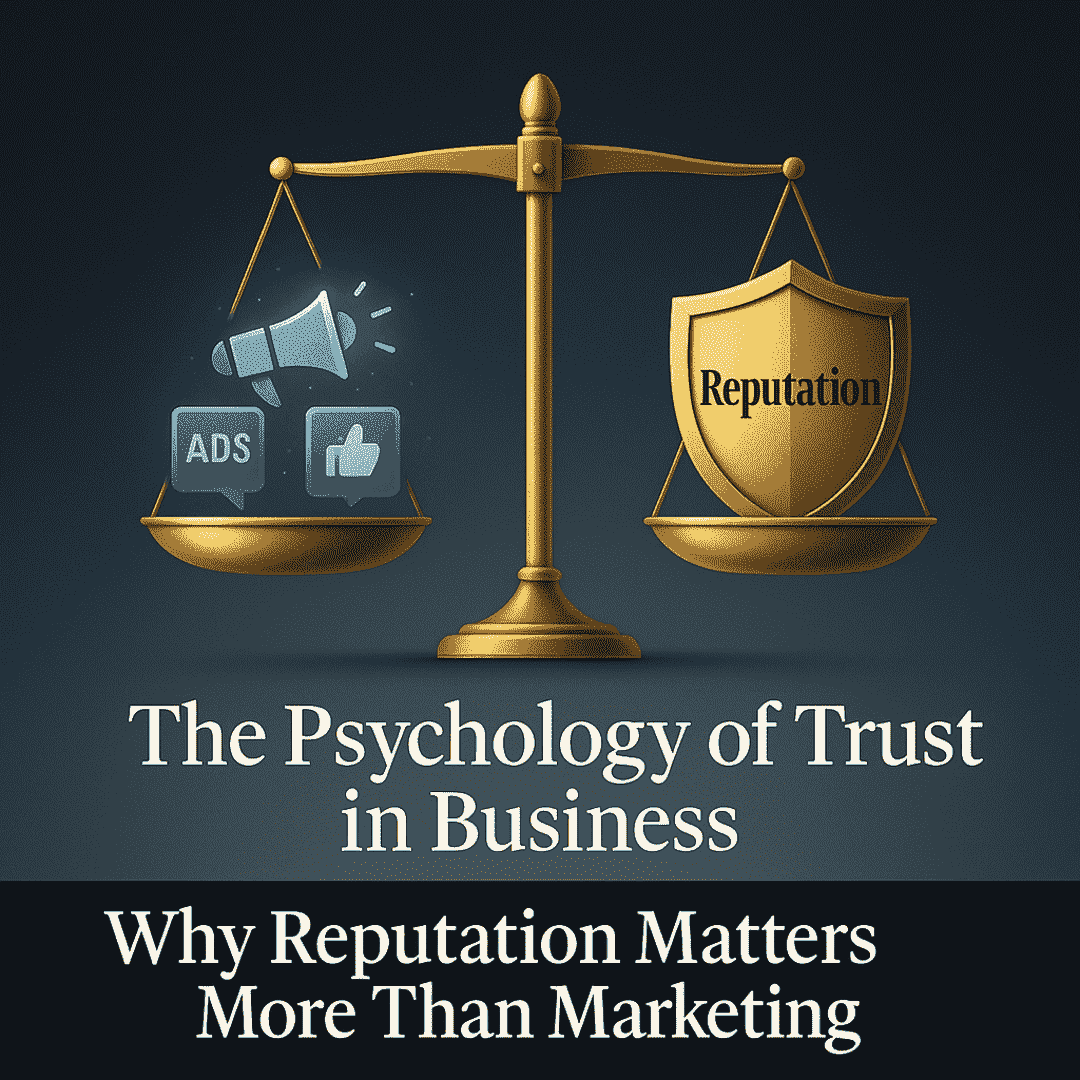
In today’s digital world, customers, employees, and stakeholders have many choices. And trust in business has emerged as the hidden currency of success. A marketing campaign has its peaks and valleys. Trust enables a perpetual bond, and without it, a campaign remains isolated. Business reputation has a domino effect. It impacts customers’ willingness to purchase, investors’ decision to fund, and employees’ motivation to work.
Foresighted businesses and brands value reputation as a scarce resource. They recognise that modern business relationships are not just transactional in nature. They are built on shared values, emotional confidence, and the belief that promises will be fulfilled. Trust shapes decisions of customers who compare products online, job seekers who evaluate potential employers, and partners who weigh collaborations.
In more than one way, trust is more valuable than price or the features in your products or services. That is because trust determines whether stakeholders believe a company or brand will act in their best interests.

Why Polished Ads Can’t Replace Authentic Business Reputation
Marketing is a tool that is designed to attract attention. Business reputation is what actually sustains that attention and converts it into loyalty. A well-presented advertisement might convince a customer to try a product once. But it is the customer’s perception of how the company behaves that determines whether they return.
Marketing Can Create Expectations
The enhanced marketing visibility and positioning perception of the brand are significantly augmented. If a brand boasts about being ‘green,’ consumers automatically expect a commensurate level of eco-friendly engagement. This should be visible throughout the rest of the value chain, packaging, and social responsibility. Still, if there is a massive disconnect between reality and story being promoted, then the brand is doomed.
Reputation Holds More Weight
Marketing is a tool that can be curated and controlled, but business reputation is shaped by real experiences and word-of-mouth. Online product reviews, social media presence, and employee testimonials are far more influential than brand-driven advertisements. A study conducted by Dixa shows that 93% of consumers read online reviews before purchasing a product. The study highlighted how 79% of the consumers weighed these reviews more than the marketed claims by brands.

The Danger of Overreliance on Marketing
Businesses that ignore reality while overanalyzing public perception risk long-term damage. Trust can be lost in an instant with disconnected branding, unfulfilled promises, unaddressed stakeholder issues, and opacity. Advertising seems to be ever-expanding, but so does consumer dissatisfaction and low employee morale that can be nuked in an instant.
The only thing to remember is, marketing can open the doors, but only reputation can hold the door open.
The Intangibles of Trust: Transparency, Consistency, Responsiveness
So, what really builds trust? It is rarely a single campaign or announcement. Instead, it is the daily, often intangible, behaviors that accumulate into building customer trust over time.
Transparency Builds Confidence
Usually, transparency relates to open strengths and weaknesses, and it also relates to the lack of barriers to open communication. It is the case that most companies that respect the gap overcome it. For instance, Johnson & Johnson, the company, was able to recover from the Tylenol crisis by prioritizing customers and maintaining credibility. They chose consumer safety and recovered by communicating openly.
Consistency Creates Reliability
A confident relationship is attained when it’s maintained across different data points, and business actions match values they stand for. For example, a brand that believes in diversity shouldn’t only promote in ads, but in its leadership and hiring policies. The stakeholder trusts that a firm can be depended upon when there is alignment across actions, communication, and policies. Trust is a crucial element in turning first-time purchases into repeat purchases and employees into active promoters.
Responsiveness Strengthens Relationships
It has been established that a fast-paced business world is all about speed and agility. A company having a business responsive strategy is much better equipped than its competitors. Responsiveness could mean any variety of situations, such as;
- Efficiently managing a working crisis, or
- showing concern about a customer problem or a suggestion, or
- an employee’s feedback, or
- a community’s social requirement.
Even such small things like responding to and taking action on a complaint on social networks or social media matter. Giving a response back to a customer suggestion shows a positive impact and concern for the business.

Case Insights: Businesses That Thrived or Failed Based on Reputation
Right before going further into how trust is built, it is helpful to look at real-world examples. Some businesses, to some extent, earned lasting credibility, which strengthened their position. On the contrary, some suffered because their business reputations did not withstand scrutiny.
Thriving Through Reputation
Patagonia: The company shaped its environmentally conscientious business reputation through its actions, practices, and policy alignment. The company has built a significant zealous customer advocacy base without traditional advertising. All because of its reputation and transparent policy on supply chain and pollution avoidance activities.
Starbucks: The company has, for many years, shifted its focus to employees and community issues. They have especially focused on distributing benefits to their employees, including educational aid and medical. And they have managed to build an experience beyond just coffee. The company enjoys a highly positive business reputation due to repeat customer visits.
Apple: The company exemplifies how a company can build an unquestioned reputation with consistency in design, innovation, and customer experience. Apple has built a long-term customer base due to its reputation for Apple products and services. Despite facing competition from similar, cheaper products, Apple has remained a stellar player in the industry.
Reputations That Crumbled
- Volkswagen: Spying emissions showed Volkswagen‘s attempts to cheat by falsifying records of emissions. The fallout struck them financially and additionally devastated public trust. Even now, decades later, people remember this scandal as a prime example of the cost of a lack of honesty.
- United Airlines: The forced removal of a passenger’s video became a viral scandal and caused this airline quite a few problems. The damage was poorly managed, and the defensive and passive delays were the perfect icing on the cake. This airline became the perfect example of how important it is to prioritize business reputation.
- Facebook: The reputation of the company has been injured by how the company handles misinformation, sensitive data, and mental health issues. Even with so much global presence, the decline is visible. This can be attributed to the lack of accountability and the underlined keystone of the company.
These factors showcase the fact that business reputation sits at the center, as opposed to being a mere bonus.
How Companies Can Build and Sustain Trust Over the Long Term
It takes more than the first impression to earn someone’s trust. An effortless endeavor is required till the end to earn a person’s trust. With growing years, the perception will change, but the work will remain the same. Whenever the perception changes, the work does not earn trust. It’s important to understand that the practices of trust earning are not a trivial commitment. These practices have to be intricately woven into the very core of what a company does.
Put Values Into Action
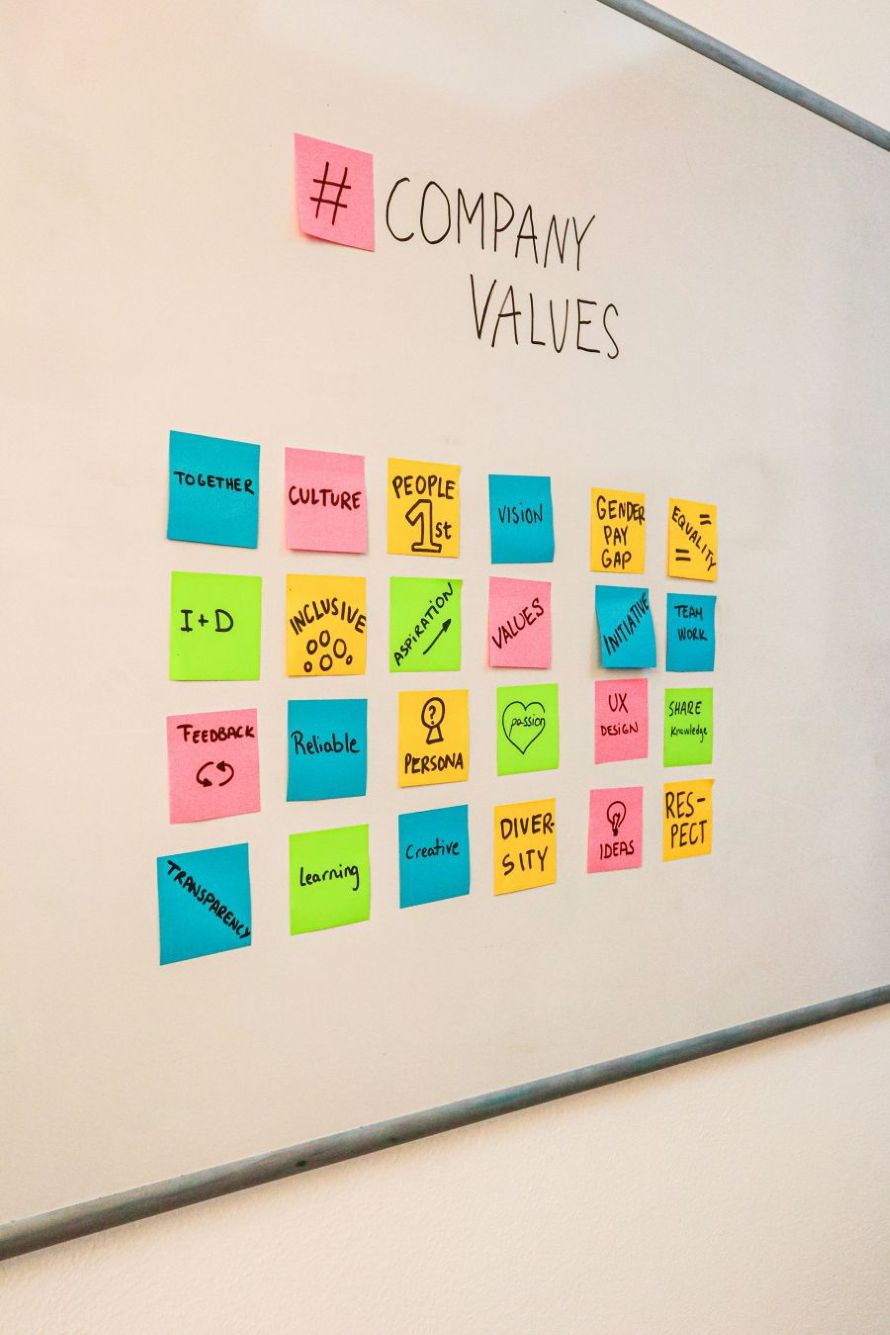
Businesses should ensure that their values are more than mere clichés. Practicing what you preach is a question of reputation. This means integrating values such as ethics, sustainability, and fairness into the very fabric of all business processes. The business will easily collapse in a few seconds if neglected.
Listen and Engage Regularly
Customer relationships would be more favorable when they know that the company is trying to add value to their concerns. This can be achieved through customer satisfaction surveys, providing channels for employee feedback, or even through public “town-hall” style meetings. These create spaces for engagement and create the facade of a two-way conversation. Stakeholders will imaginably pledge their loyalty and public support for the company if they feel their voice is appreciated.
Prepare for Crises Proactively
The risks to business reputation are impossible to eliminate totally. However, prior preparation can help. Clearly defined crisis management systems and focusing on communication in tough times can help maintain trust. A fast and empathetic response can change the narrative of a crisis and help demonstrate values.
Embrace Long-Term Thinking
The temptation to invest in aggressive marketing or to avoid targeting expenses is strong and may yield short-term results. However, such practices do not foster trust in the business. Nurturing people, communities, and authenticity is the path towards business reputation and a successful long-term business. Trust is fragile and can be lost in seconds, but it is not gained overnight.
Conclusion
To conclude, confidence is the untold factor that makes the difference between success and failure for any company. A company’s marketing might make a first impression, but a consistent reputation guarantees longevity. Honesty, punctuality, and being open about a company’s practices are must-haves and go hand-in-hand with maintaining business reputation.
