
CATEGORIES
#Careers #Education and Life Skills #Well-BeingOverview:
- Growth begins when we release outdated habits and beliefs.
- Unlearning helps us embrace change and new perspectives.
- Letting go encourages emotional freedom and adaptability.
- Growth is not about addition, but conscious subtraction.
The Myth of Constant Learning
The world we currently inhabit is one where, regarding learning, people are obsessed. It seems that every self-help publication, online course, and task-oriented app offers a different approach to education. True progress often stems not from learning, but from unlearning.
Unlearning helps us question the idea that we need to collect things to move forward. It makes us examine old habits that affect our choices. Strict rules about success can stop us from choosing paths that fit our values. For example, if we only focus on making money, we might lose creativity and make workers unhappy. Being open to other ways to measure success, like treating people well, can help us grow better. This leads to a more rewarding and lasting success for everyone. By avoiding junk information, we open ourselves to creativity, flexibility, and deeper insights.
Way of Releasing the Need for Control
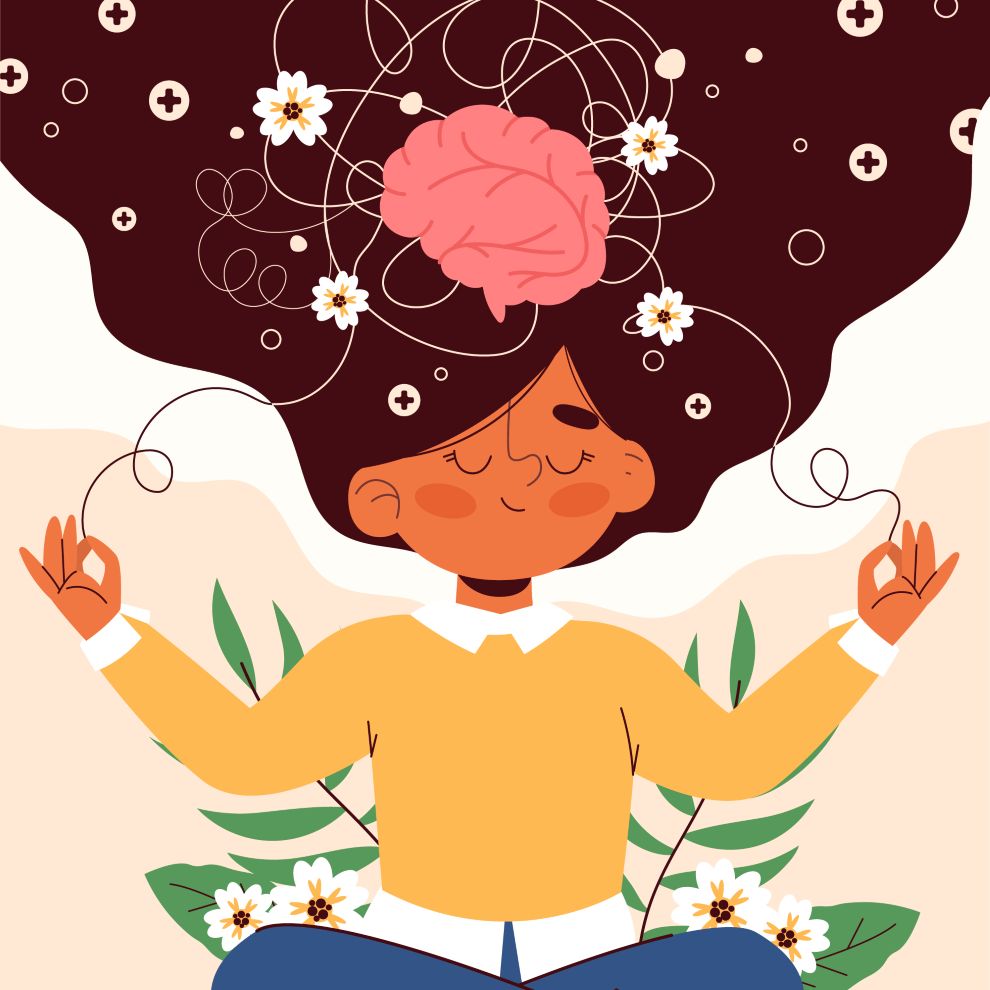
Control can be a big challenge for us. We often learn that being completely in control means we are better at things. But this idea can hold back our feelings and make it harder to have fun.
Ultimately, giving up control allows us to have confidence in the unknown. This means that the unpredictable is not just horrible, but it could actually be the endless possibilities. It refreshes us and enables us to be flexible if we dare to be free from the stress of the future.
Unlearning control helps us understand humility. It teaches us that we cannot control everything, and that’s okay. The biggest changes often happen when we move from resisting things to accepting them.
Emotional Detachment and Renewal
The process of unlearning is quite demanding emotionally. It is a must to cut off the part that we consider comfortable and familiar, though it is not helping us anymore. Letting go of familiar ideas, daily routines, or important relationships can be incredibly challenging.
To let go does not mean to be unkind or not to show feelings. It means to identify the source of your unhappiness and to choose to let it go. Disengaging from people or things is essentially rediscovering your true self.
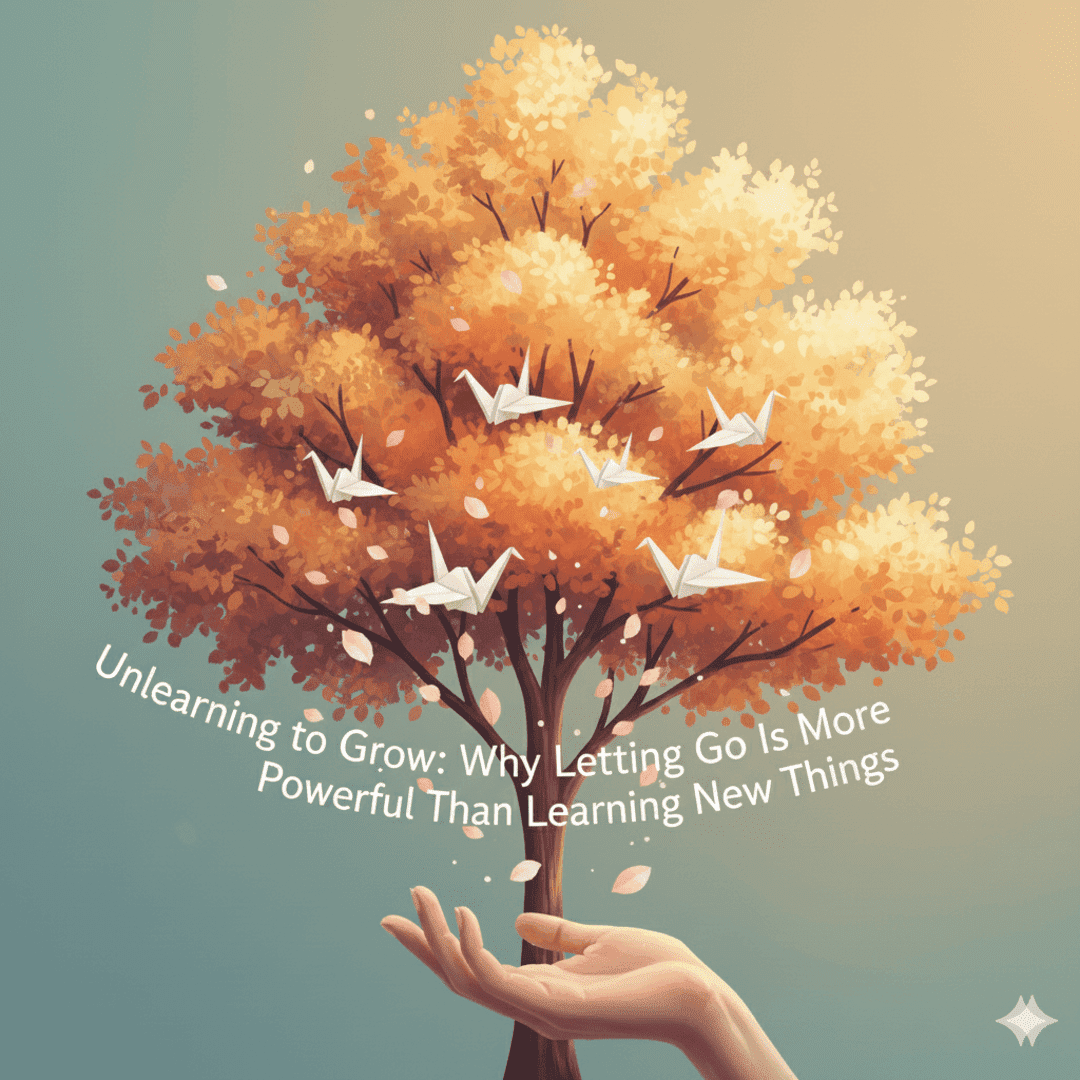
Letting go helps us find balance and clear our thoughts. It also opens up space in our lives for new experiences. Similarly, trimming a tree’s branches allows it to grow healthier. By removing unnecessary parts, we can become stronger.
Building Space for New Growth
Taking away the things we worry about helps us grow. When we feel free, we can try new things and be nice to others. New ideas are less scary, and we can get used to them faster. This helps us understand what other people think, too. In fast-changing industries and societies, we must challenge old beliefs. Staying flexible gives us an advantage.
Like seeds that grow best in quiet, personal renewal happens in stillness. By getting rid of distractions, we allow for deep change. True transformation comes from being present, not from constant activity. The impact of breaking barriers in shaping the future of work shows how collective unlearning fosters innovation and inclusion.
The Ripple Effect of Unlearning
When we let go of our burdens, we not only improve our society but also make organisations and their interactions better. By working together, groups and communities create a friendly environment where new ideas can thrive. Putting aside our pride helps us understand and care for one another more effectively.

Unlearning helps people be kinder. The first step is to think about the stories that make them who they are. When they do this, they can choose what success means to them. This helps them be thankful and move on, even if others are still stuck in the past.
Unlearning is an endless cycle, and it demands a lot of patience, self-reflection, and compassion towards yourself. Unlearning can lead to a number of changes that are perceived positively. It can shift your emotions, bring clarity, and inspire a vibrant sense of direction.
Conclusion:
Growth isn’t about having to keep on piling up; it’s about making a mindful release. When we neglect it, we can discover our true values. This is a way of growing and being more conscious. Getting rid of things is not a negative act; it is a way to regain our completeness. It is the gentle acceptance of change
