

CATEGORIES
#Disability #Mental Health #ParentingOverview:
- Mothers are considered the backbone of the family unit
- Raising a child with special needs takes a huge toll on mothers
- Society has a part to play in raising children with disabilities
Introduction
Not all heroes wear capes: Some raise children with special needs. Parenting is a double-edged task as is. In addition to that, these parents are also required to be caregivers for the rest of their lives, if the situation remains. That is not to say that any special need is a permanent diagnosis. Some children get better with therapy to the point of independence. This may not be the case with the larger percentage, sadly. This article delves into the toll it takes on a mother to raise a child with any form of disability.

Credit – Pixabay
Various Special Needs
The various types of disabilities are categorized using difficulties in these areas
- Learning challenges, such as dyslexia
- Developmental disorders such as Attention Deficit Hyperactivity Disorder and Autism Spectrum Disorder
- Sensory impairments like in deaf-blindness, vision
- Physical disabilities that could be present in conditions such as cerebral palsy
- Mental health/ emotional/ behavioural conditions (psychiatric disorders, anxiety)
Children can be affected by either one of these from birth or in the course of their lifetime. Even adults can become disabled in life while they are grown-ups.
The Weight on a Mother’s Shoulder
-
Emotional Stability
A mother is generally responsible for caring for the family. This expectation frequently overwhelms women, especially when it comes to their emotional well-being. Raising a child with special needs demands daily emotional fortitude, regardless. Mothers usually break down because they are sad for their kids, and some eventually grow resentful. They keep struggling with feelings of loneliness, fear, and self-doubt. Some mothers even sacrifice their personal growth just to channel all their love and energy into the child.
-
Mental Wellness
Most times, these mothers are hypervigilant due to mental conditioning for their children’s sake. It is very common to come across a stressed mother trying to process by randomly talking to herself. Their minds are flooded with thoughts about how their children will survive adulthood or who will take care of them. They carry a great deal of mental fatigue, sometimes unknowingly. For them, anxiety is a normal part of their thought processing and life perception.

Credit – Pixabay
-
Physical Toll
Rarely will you find a full-time working mom with a child with special needs. In the unlikely event that she is, a present caregiver is available throughout the day. This is because children with special needs require constant monitoring. Otherwise, they could come to harm at any given moment of the day.
Additionally, the incessant need to move around with them when the need arises keeps the mother on her toes repeatedly. As the child and the mother grow older, there is a tendency for her physical health to dwindle.
-
Financial Reality
Keeping up with the needs of children with disabilities is a tall order. Aside from providing the child’s basic needs, there is always an extra financial demand for the equipment the child requires. Medication, hospital visits, and caregiving are expensive on their own. Supplies are essential, whether it is a cane for the visually-impaired or physical therapy for a child with cerebral palsy. For these families, it is very easy to get into debt.

Credit – Pixabay
-
Family Struggle
Several families suffer abandonment. There is a common misconception that the father is always the parent who leaves the family. However, there are instances when it is the mother who steps away from the responsibility. Whichever parent stays is left with a lot of strain. In some cases, mothers are unable to manage the household due to the weight they carry. Without grace and help, it becomes difficult to survive the days that follow.
On the Flipside…
Just like in the stages of grief, a few caregivers have reached the level of acceptance and can thus move about life freely. In the course of caregiving, some mothers have grown to be patient towards the child, family, and society at large. For others, this journey has been reflective and has demanded that they be kind towards themselves. They are also more accommodating to people who are not understood by society because of the child they are raising.
How Society Can Come In
Sadly, some communities look upon children with special needs as cursed and excommunicate them from society along with their parents. This should not be the case. Instead, the surrounding community ought to help out in whatever way possible. They may assist in offsetting the financial burden that disability imposes on the family. At the very least, they can be more accommodating of mothers raising children with special needs in the public.
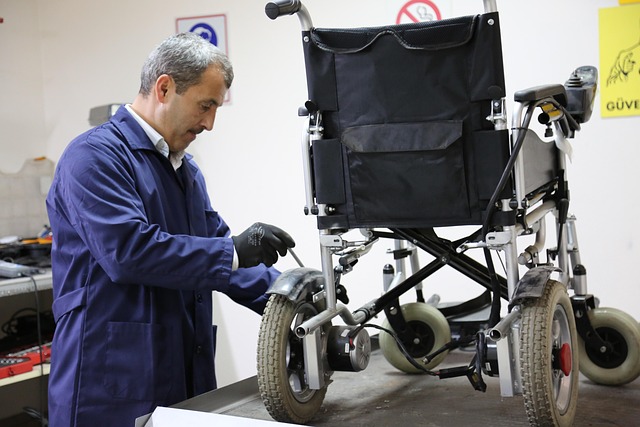
Credit – Pixabay
Also, people can lend a hand whenever needed without waiting to be asked. It is imperative that governments make facilities more accessible physically and financially. Lastly, the community can organize support groups to help these mothers develop necessary coping strategies.
Conclusion
Raising a child with special needs is a noble task, but it comes with its fair share of challenges. Without the appropriate support, mothers are bound to break under the weight they carry on their shoulders. Society should walk a mile further with these mothers to help them get through each day. Our encouragement to every mother who walks in these shoes is not to lose sight of a bright future. The fact is that disability is not inability. Hats off to you, our unrecognized sheroes!
