
CATEGORIES
People We Admire | Social Impact | Women EmpowermentOverview
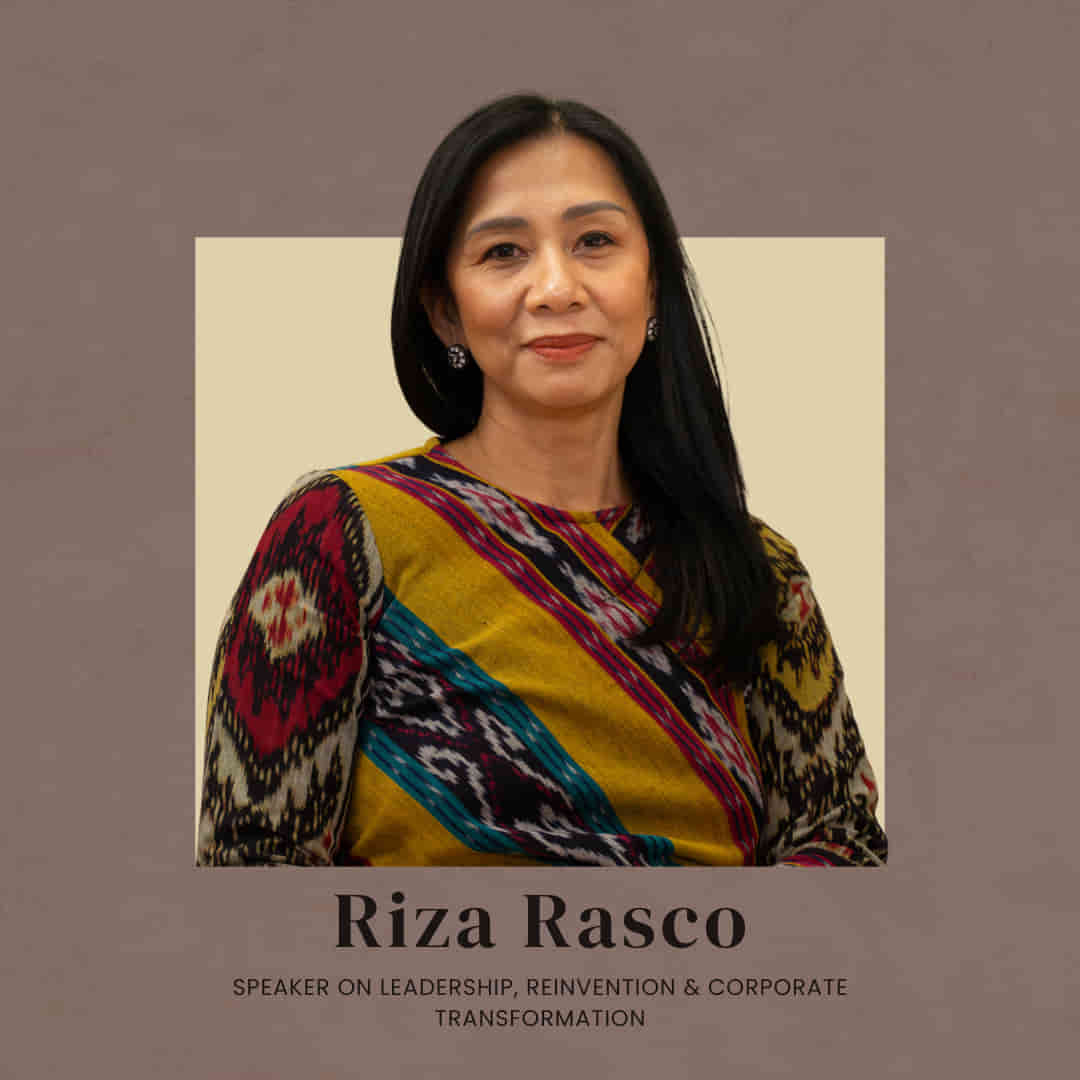
- Riza Rasco‘s life has been shaped by curiosity, resilience, and a willingness to embrace change.
- With a background in biotechnology and research, her journey spans science, global travel, storytelling, and nonprofit leadership.
- Her work sits at the intersection of exploration, community, and social impact.
- In this conversation, she reflects on reinvention, purpose, lifelong learning, and creating meaningful change through service and connection.
What was your childhood like, and how did it shape who you are today?
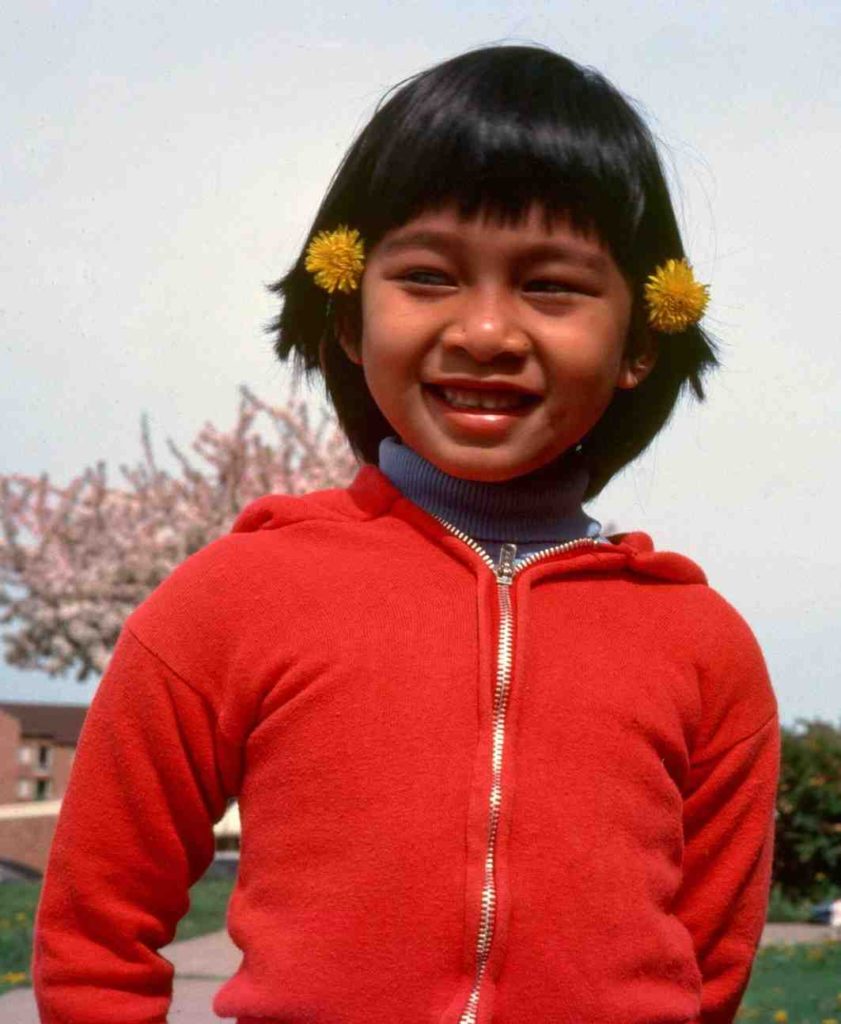
Discipline, high expectations, and a deep respect for education shaped my childhood. I grew up in the Philippines in a family of scientists, where achievement, hard work, and perseverance were central values. From an early age, I learned to be self-reliant, to strive, and to earn my place through effort. Curiosity was encouraged, but structure and responsibility always came first. At the same time, there were parts of me that had little room to breathe. Creativity, play, and emotional expression were secondary to accomplishment. I learned early how to perform well, meet expectations, and keep moving forward, even when things felt heavy or unspoken. That combination shaped me into someone capable, resilient, and driven, but also someone who learned to place duty above inner needs. That upbringing carried me far. It gave me the discipline to build a successful scientific career, to work across countries, and later to navigate the physical and mental demands of traveling the world. But it also planted the seeds of the questions that would surface in midlife: Who am I beyond achievement? What happens when the life you built no longer reflects who you are inside?
Travel eventually became the space where those questions could be explored. Moving through different cultures softened the rigid definitions I had inherited and taught me to listen, observe, and adapt. It helped me reconnect with curiosity, empathy, and creativity, while honoring the strength and work ethic my childhood instilled. In many ways, my childhood gave me the tools to endure. My later journey taught me how to live more fully. Together, they shaped a life rooted in resilience, reflection, and a commitment to purpose and service.
What does a typical day in your life look like?
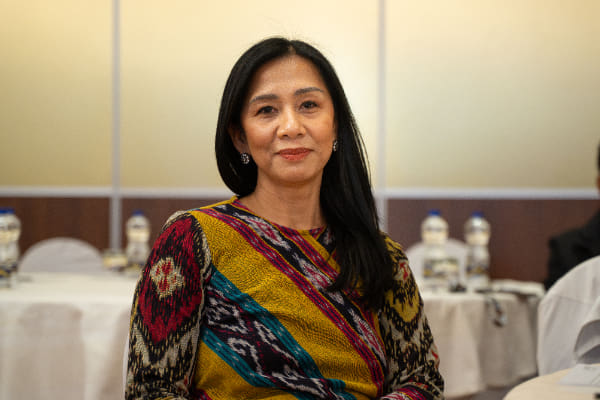
A typical day in my life is a mix of purpose, people, and a lot of switching between worlds. I wake up in Tagaytay City, usually early, with the cooler air and a view of Taal Lake. Mornings are my quiet time. I write or simply sit with coffee and collect my thoughts before the day gets busy. After years of constant movement, I’ve learned to protect that space because it keeps me grounded.
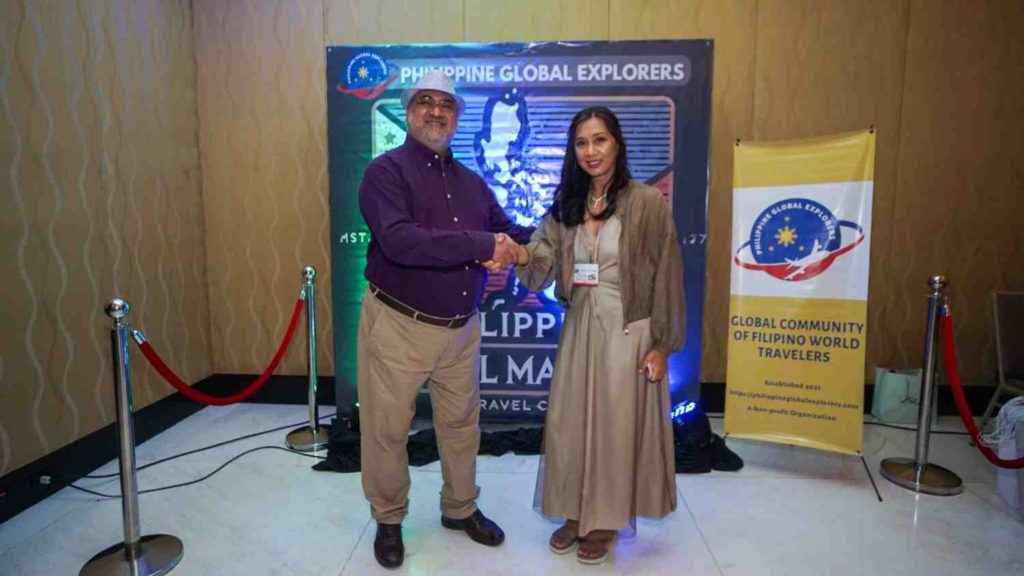
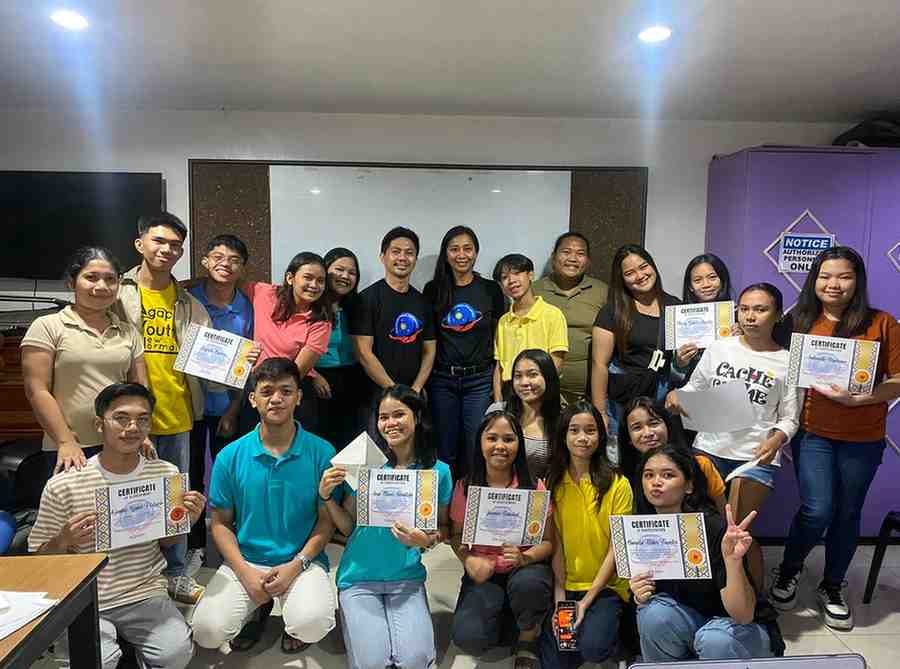
Much of my day is spent running the Philippine Global Explorers, a nonprofit community with projects across the country. That means calls and messages with volunteers, board members, and partners. Some days I’m reviewing project updates, planning events, or thinking about how we can further support education, local tourism, or community development in my country. It’s meaningful work with lots of coordination, problem-solving, and decision-making.
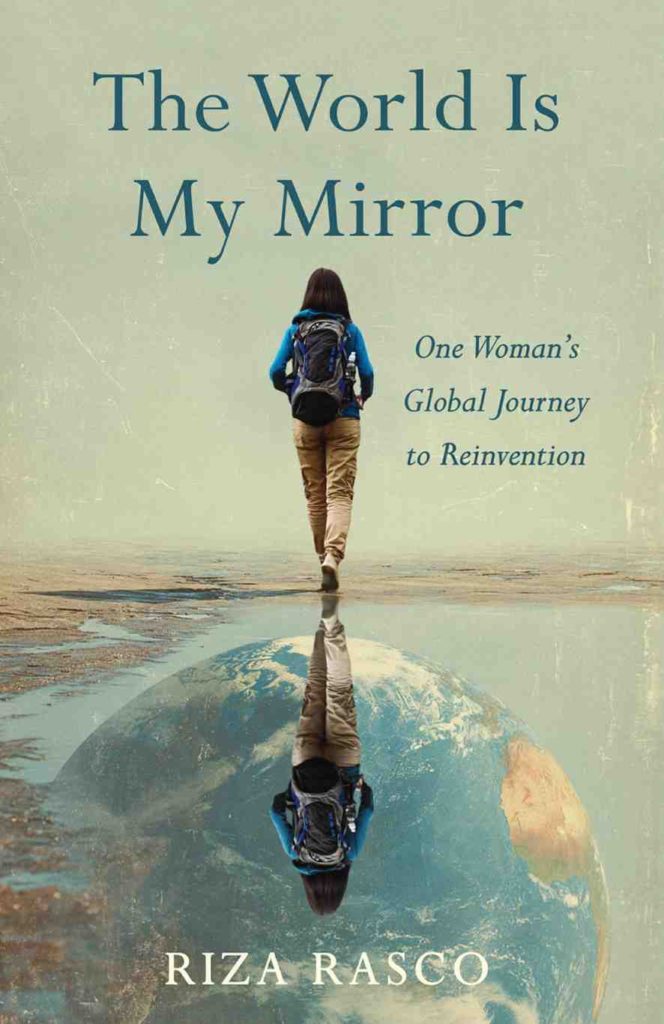
I also spend time speaking, writing, and preparing talks based on my memoir, The World Is My Mirror. That might look like answering interview questions, shaping a keynote, or responding to messages from women and young people who connected with my story. In between, I take walks, run errands, meet friends, and sometimes do absolutely nothing productive. I’m now living a life that reflects who I am now, not who I was expected to be. And I hope that’s something young women can see: that it’s okay to design your days and your life on your own terms.
Tell us about your professional journey and how you got to the position you are in today.
My professional journey did not follow a straight or predictable path, even though it may look that way in the beginning. I began my career in science. I grew up in the Philippines in a family that believed deeply in education, so becoming a scientist felt like both a calling and a responsibility. I studied biotechnology and life sciences, eventually earning a Ph.D., and built a long career in research and innovation.
For many years, I worked in laboratories, corporate settings, and management roles, moving across countries and leading complex projects. From the outside, it looked like success. But over time, the life I had built stopped reflecting who I was inside. After undergoing personal loss and years of pushing forward without pause, I reached a point where I could no longer ignore that disconnect. I stepped away from my corporate career in the USA without a clear map, something that felt frightening after a lifetime of structure and certainty. Travel entered my life as a way to breathe and regain perspective.
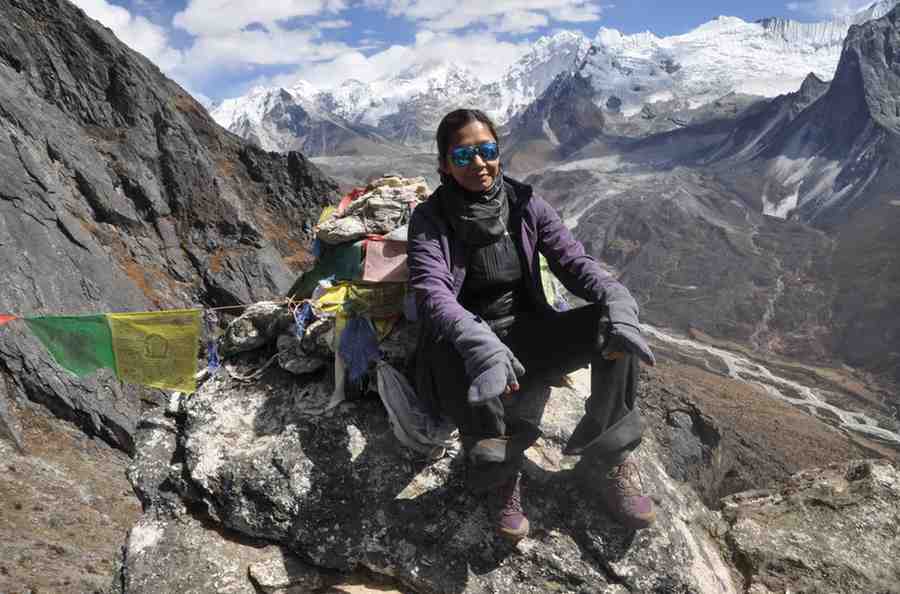
What started as a temporary journey became a decade-long exploration that took me across every country in the world. Along the way, travel challenged my assumptions, stripped away titles, and forced me to meet myself in unfamiliar places. Each border crossed mirrored an internal shift. Slowly, I began to understand that reinvention is not about abandoning who you are, but about integrating all parts of yourself. As my journey deepened, my professional identity transformed with it.
I became a storyteller, an advocate, and eventually a community builder. I co-founded the ‘Philippine Global Explorers’, a nonprofit that channels the power of travel toward education, local tourism, and community impact. I also wrote my memoir, ‘The World Is My Mirror’, to share what this journey taught me about courage, resilience, and purpose. Today, I speak, write, and lead at the intersection of travel, empowerment, and social impact. I didn’t arrive here through one bold leap, but through many small, brave steps taken over time. My story is proof that it’s okay for your path to evolve, and that sometimes the most meaningful careers are the ones you grow into by listening closely to your own life.
Name one or several people you admire in history and tell us why. They could be living or have already passed.
I actually touched on this in another interview, where I was asked to name four people in history I’d invite to dinner and why. It turned out to be an all-female dinner party for me. Here are four women whom I admire at that dinner table:
Concepcion “Ate” Aranda (1909 – 1998). Known to my family as “Ate”, she was my maternal grandmother’s aunt who remained single until she died, and had devoted all her life to supporting and caring for an older aunt (Lola Pila). Both Ate and Lola Pila were in their 60s when I was born; they were only a few years apart in age.
Lola Pila, who also remained single until her death, was a school teacher while Ate was uneducated. Every year during school break, my Mum would drop me off at their house in my Mum’s hometown, where I would stay with them for the entire 3 months of school break. This gave my Mum some respite and a chance to focus on her career and other obligations. Lola Pila and Ate were extremely religious, and they’d go to church every day, taking me along with them when I was around. My parents, both scientists, were not religious and rarely went to church. Apart from teaching me how to pray, Ate, in particular, taught me about unwavering love and devotion. She was fond of me. Never had I felt so much warmth, kindness, and affection from anyone until this day. Early in life, I saw her devotion to Lola Pila. Ate died while I was still young. How I would love to have dinner with her and get the chance to talk to her as an adult, to tell her how she taught me how to be soft and kind, and how I wish I had the chance to show my love and repay her kindness.
Gabriela Silang (1731 – 1763). She was the first Filipina to lead an uprising against a foreign power. She was a fearless warrior who assumed her husband Diego Silang’s role as commander of rebel troops after his assassination in 1763. She launched guerrilla attacks against Spanish garrisons, attacks that caused Spanish soldiers to fear her name. In her final battle, she led over 2,000 men to go against an army of over 6,000 Spanish soldiers, who were backed by powerful artillery. She lost the battle and was captured. The Spaniards made her witness the public executions of her men before publicly hanging the commander herself. She was an immensely courageous woman. The Philippines remains one of the most gender equal countries worldwide, with equal opportunities in political and economic leadership for men and women, because of women like Gabriela Silang. How I would love to have dinner with her, to get to know her more, and to learn what it takes to be a female fighter like her.
Hatshepset (1507 – 1458 BC). She was the longest reigning female pharaoh and one of Egypt’s most successful and prolific pharaohs. During her reign, she managed to increase the wealth of Egypt by developing vital trade routes and constructing several buildings, statues, and monuments. How I would love to have dinner with her, to learn what it takes to become a successful leader and prolific builder at a time when, according to Egyptian tradition, no woman should have been able to assume the full power of a pharaoh.
Amelia Earhart (1897 – 1937). She was the first woman to fly solo across the Atlantic, and subsequently broke several flying records. She was attempting a flight around the world when she went missing in the Pacific. Her disappearance is one of history’s mysteries. How I would love to have dinner with her, to find out exactly what happened to her.
Have you had any mentors along the way? Could you share about them and their influence in your life?
Yes, I’ve had many mentors along the way, though they didn’t all appear in traditional or formal ways. Early in my life, my parents were my first mentors. Both were scientists, and they shaped my respect for education, discipline, and perseverance. From them, I learned the value of hard work and intellectual rigor, and the belief that knowledge could open doors beyond circumstance or geography. As my career in science progressed, I was guided by supervisors, senior colleagues, and leaders who taught me how to think critically, navigate complex institutions, and lead with responsibility.
Some mentors offered direct guidance, while others taught me just by example. Later in life, mentorship took on a different form. Travel itself became one of my greatest teachers. People I met along the road, community leaders, women navigating difficult lives with grace, individuals living with far fewer resources but deep resiliency, offered lessons no classroom or office ever could. They taught me humility, empathy, and the importance of listening before acting. I’ve also learned that mentors don’t always arrive with titles or long-term roles. Some appear briefly at pivotal moments, offering a question, a challenge, or an encouragement that stays with you for years. Today, as I lead and mentor others, I see mentorship as a living exchange rather than a hierarchy. I continue to learn from the people around me, from younger voices as much as from elders. My life has been shaped not by one single mentor, but by a constellation of influences, each helping me see myself and the world more clearly.
What has been the greatest challenge in your journey, and how did you overcome it?
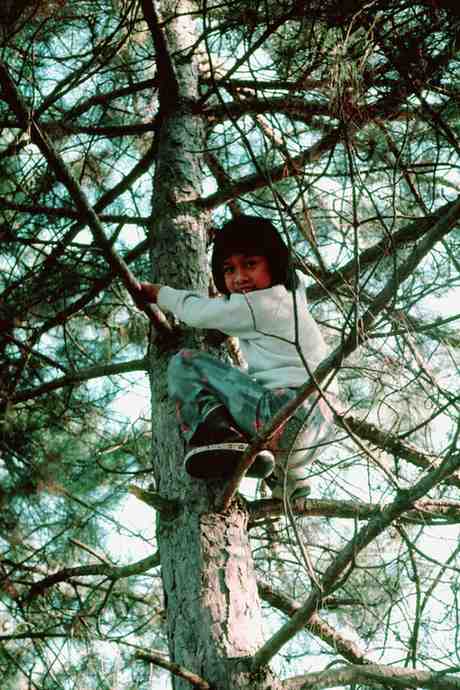
The greatest challenge in my journey was facing the moment when the life I had built no longer matched who I was inside. After years as a scientist, stepping away from my career without a clear plan felt deeply unsettling. I had to learn how to live with uncertainty instead of immediately trying to fix it. Travel gave me the space to step outside familiar roles, confront fear, and listen more closely to myself. I didn’t overcome this challenge through a single breakthrough. I moved forward gradually, by taking small, brave steps and trusting the process. Over time, those steps rebuilt my confidence and helped me create a life rooted in purpose and service.
How do you balance your work and personal life, and what is one thing you enjoy doing in your free time?
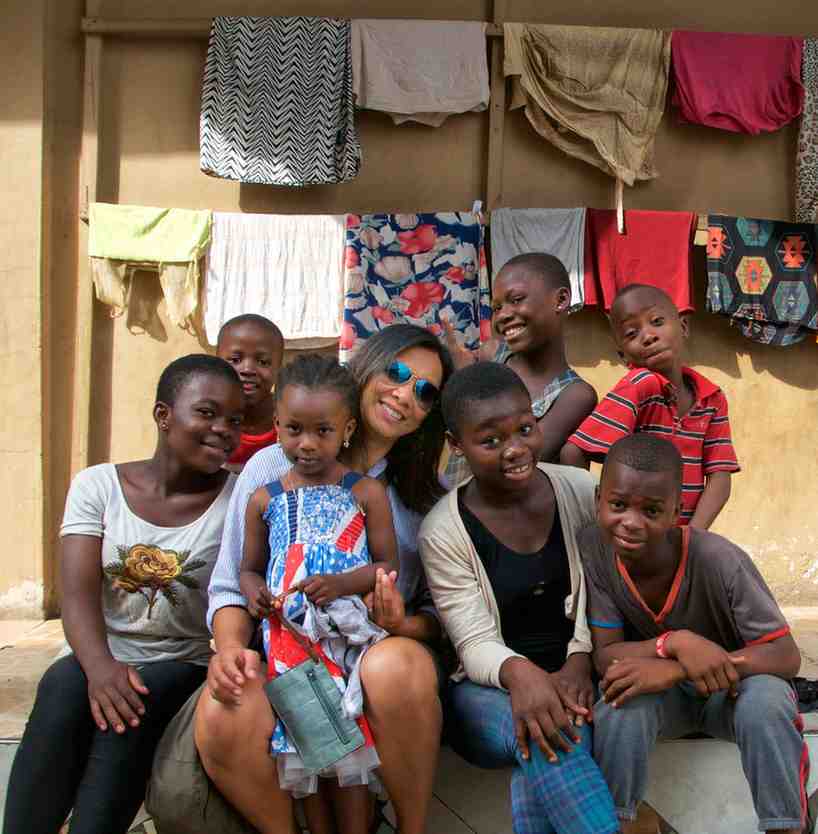
Running a nonprofit and speaking keep me busy, but I protect time for myself. At this stage of my life (I’m 54 years old), I make a conscious effort to set aside time for family and friends. In my free time, I love dancing; it’s how I reset and feel joyful. I’m also learning Mandarin, which keeps me curious and reminds me what it feels like to be a beginner again.
What do you think is the biggest concern for global youth today, and how do you think it could be solved?
I think one of the biggest concerns for global youth today is not the lack of information, but the overload of it.
With the internet and now artificial intelligence, young people have instant access to knowledge at their fingertips. That is powerful, but it can also be overwhelming. When information is everywhere, the real challenge becomes knowing how to evaluate it, question it, and use it wisely. Many education systems around the world are still focused on memorization and retention, even though those skills are no longer enough in this environment.
The solution, in my view, begins with rethinking how we teach. Schools need to place greater emphasis on analytical thinking, creativity, and problem-solving rather than rote learning. Students should be encouraged to ask better questions, connect ideas across disciplines, and think independently. Learning how to think matters more now than learning what to think.
Beyond classrooms, young people also need opportunities to apply these skills in the real world. Exposure to different cultures, perspectives, and lived experiences helps develop discernment, empathy, and adaptability—qualities that no algorithm can replace. Mentorship, experiential learning, and creative exploration should be treated as essential, not optional.

What are some ways in which you are creating a positive change in the world?
I try to create positive change by using my experiences, platforms, and communities to encourage reflection, connection, and purposeful action. Through the Philippine Global Explorers, a nonprofit organization I lead, we bring together Filipino world travelers who want to give back to our country. Our projects support education, local tourism, culture, heritage, and community development across the Philippines. At its core, the organization shows how travel can be more than movement—it can be a way to contribute, serve, and build meaningful connections.
I also create change through storytelling. Writing and publishing my memoir, The World Is My Mirror, was a way to share my journey honestly, including uncertainty, fear, and reinvention. I’ve seen how stories can open conversations, help people feel less alone, and permit them to rethink their own paths.
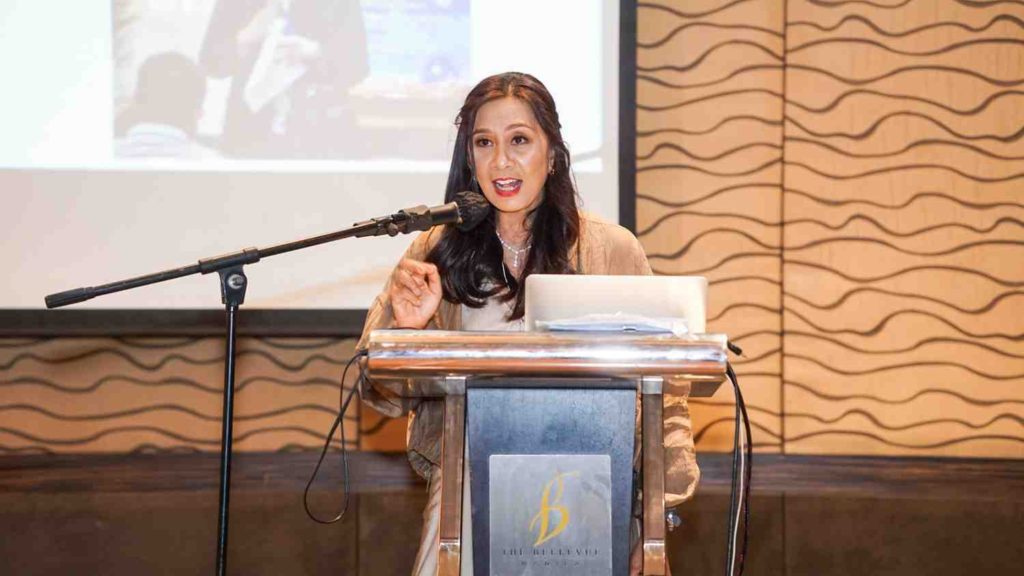
Finally, I speak to audiences around the world, especially women and young people, about courage, reinvention, and stepping beyond self-imposed limits. My goal is not to tell people what to do, but to help them see what might be possible for themselves.
In small but intentional ways, I try to turn experience into insight, insight into action, and action into positive impact.
What is a mantra that you live by, and how does it help you daily?
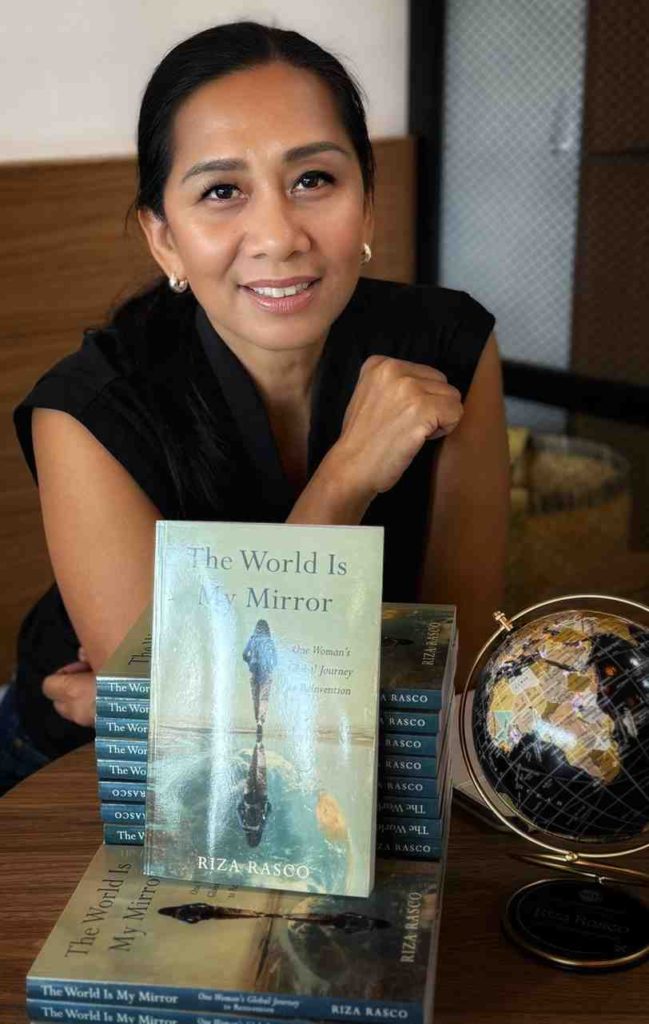
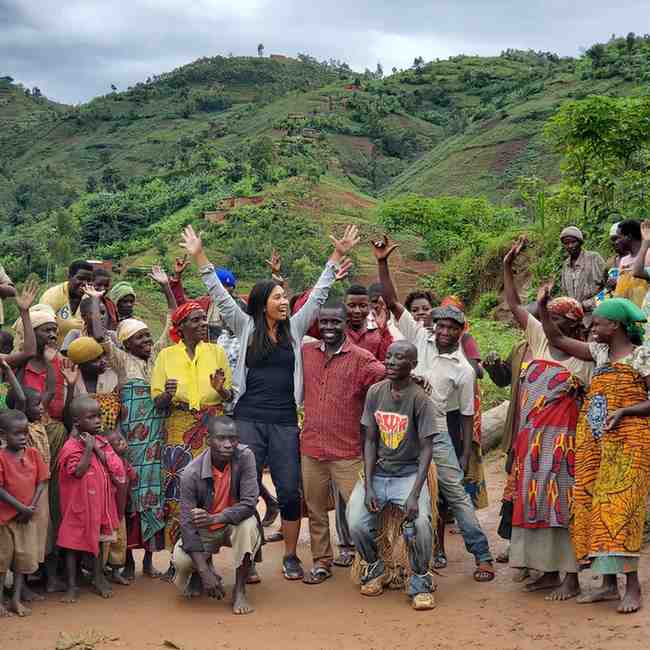
One mantra I live by, and one I share in my book The World Is My Mirror, is: “True wealth isn’t what we accumulate, but what we share.”
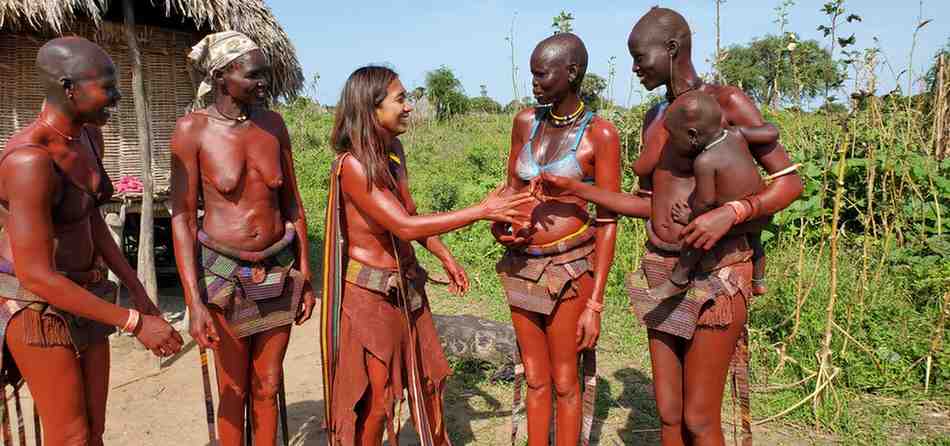
I learned this from visiting remote communities around the world. In many places where people had very little materially, I found some of the most generous communities. They shared food, time, stories, and care freely, even when it wasn’t easy to do so.
Daily, this mantra reminds me to measure my life differently. It helps me focus less on what I’m trying to collect and more on how I show up for others. Whether it’s giving time, listening, or offering support, I try to live in a way that values contribution.
For young women especially, this way of thinking is grounding. It shifts the idea of success away from pressure and comparison, and toward meaning, connection, and purpose.
If you were to advise young people aiming to follow your professional path, what would it be?
I would tell young people not to rush into defining their entire future too early. Your path doesn’t have to be linear, and it doesn’t have to make sense to anyone else at every stage.
Invest deeply in learning and building skills, because those will travel with you wherever you go. But also stay open to change. Some of the most meaningful opportunities in my life came when I stepped away from what felt safe and familiar, without having all the answers.
Be curious about the world beyond your own environment. Travel if you can, but more importantly, expose yourself to different perspectives. Listening, observing, and being willing to be uncomfortable will teach you more than any title or job description.
Finally, don’t measure success only by achievement. Pay attention to what energizes you, what drains you, and what feels aligned with your values. A fulfilling professional life is built over time, through small, brave decisions made consistently, not through one perfect plan.
Conclusion
Riza Rasco’s journey is a reminder that success is not defined by a single career, destination, or achievement. From building a life in science to traveling the world and leading community initiatives, her path reflects the courage to evolve while staying true to one’s values.
