
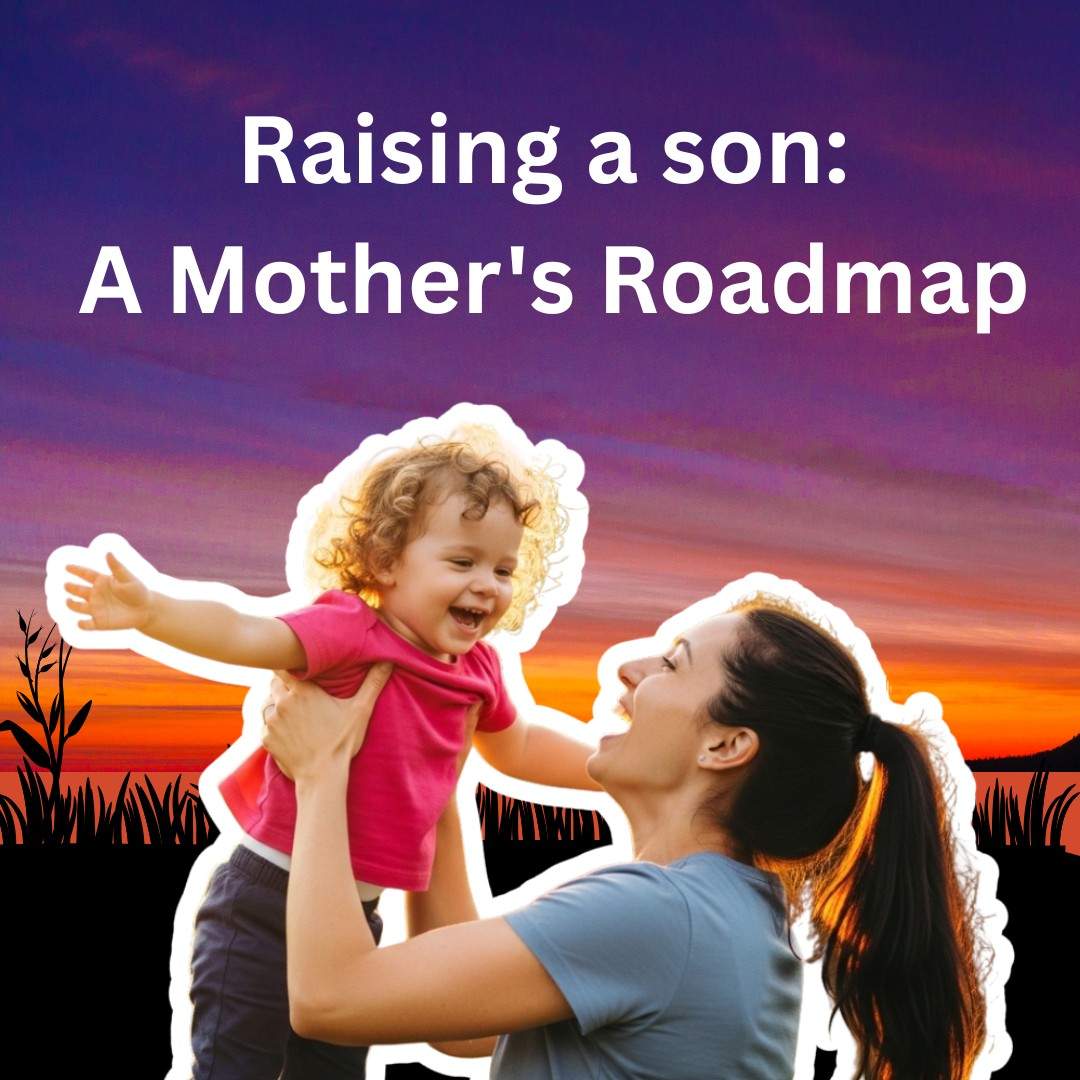
Overview:
- The evolving role of the mother in their son’s life
- Early Childhood: Fostering Safety and Emotional Expression
- Middle childhood: Confidence, discipline, and values
- Early adulthood: identity, boundaries, and trust
- Young adulthood: guidance but not control
- Habits that help to strengthen the mother-son relationship
- Raising sons with empathy, strength, and integrity
Being a mother is not something you can learn from a manual; it is a series of seasons. Each season requires something different from you: patience when he pushes boundaries and strength when he falls. The hardest thing of all is surrendering when you have to let him learn on his own.
A mother’s impact does not diminish as her son grows older; it simply changes. Her role changes from guardian to mentor, from teacher to trusted advisor. However, in every way, her presence remains in the background, influencing his confidence, character, and concept of love.
Being a mother to a son, from boyhood to manhood, requires empathy, effort, and quiet strength. It also requires a delicate balance: being fully present for him without sacrificing yourself in the process. This is not a role about perfection; it is about being there in the ways that count.
 Image Credits: Pexels
The Influence of a Mother
There is no figure in a child’s world with greater capacity to shape his compassion and kindness than a mother. Mothers are primary role models in every son’s life and have a profound influence on his development.
Emotional Development
Mothers are a son’s first emotional anchor. Through her care, he learns how to express his feelings, what safety means, and how relationships function.
Good health and Well-Being
Mothers provide consistent care from a young age. A son who experiences frequent verbal exchanges, bedtime stories, lullabies, and everyday conversations develops strong language skills.
Early Childhood: Nurturing Safety and Trust
During early childhood, sons live in an emotional world. Their primary source of security is their mothers. At this stage, presence lays the foundation for security.
Responding with patience
Before your child learns to regulate his emotions, they are co-regulated by you. This means that, as a mother, you must model emotional control around him. For example, if he is angry because his toy is not working properly, respond calmly. Kneel down to his level and lower your voice: “I see you’re upset because your toy is broken.” This shows him that emotions are not bad but a form of communication. Over time, these consistent reactions turn into habits. The patience instilled today becomes the voice he responds to tomorrow.
Encourage expression
As a mother, make your home a safe space. Welcome all emotions, no matter how big or small they are. Let your son understand that emotions are healthy; it is okay not to be okay. When emotions arise, support him and help him understand what they mean.

Image Credits: Pexels
Middle Childhood: Confidence, Discipline, and Growth
As sons grow, they tend to seek independence and guidance at the same time. Middle childhood is often when they begin developing a stronger sense of confidence. Mothers help boys develop a clear understanding of boundaries, responsibility, and worth.
This is the time to instill good values while also making room for curiosity:
Encourage Problem Solving
Help them identify the problem, develop possible solutions, and consider the consequences of each option. This teaches them how to choose the best option.
Balance Discipline With Empathy
Everyone wants to be the ”cool parent,” but this can significantly affect your son’s development. Discipline should not feel like punishment; when your son makes a mistake, do not humiliate him. At this point, he needs clarity: “I understand why you feel frustrated, but throwing your toy is not okay.” In this way, his behaviour is corrected while his feelings are acknowledged.
Adolescence: Identity, Emotions, and Independence
Being a teenager is tough because the mix of hormones and peer pressure can be overwhelming, both for him and for his mother. At this point, emotional connection is more important than asserting authority. Sons may distance themselves, but they still need to know their mother is emotionally connected.
Listen Without the Need to Fix
As a mother, the instinct to always solve is very strong. That instinct comes from love. Growth often starts with listening. When your son opens up, he is often seeking to be understood, not answers. When you listen, it sends him the message that his feelings and voice matter.
Respect the Growing Independence
He is no longer the little boy who needed constant direction. At this age, he forms his opinions, tests his limits, and carves out his identity. The shift feels unsettling; he seeks privacy, questions your views, and wants to make choices you would not make yourself. This type of independence is not rebellion but part of development.
Young Adulthood: Letting Go and Staying Close
Letting go of your son can be difficult because you have made most of the decisions for him from a young age. Now, he gets to choose his career path, friendships, relationships, and beliefs. At this stage, honour his decisions, give advice where needed, and be his safe space.
Letting go does not necessarily mean you are out of his life forever. This means you get to stand beside him and walk the journey called life with him.

Image Credits: Pexels
Daily Habits That Shape Character
In every phase of raising a son, it is not the big moments, but the habits that shape his character. It is the small moments that create the emotional landscape of a child’s inner world. These moments, over time, shape his idea of trust, respect, love, and responsibility.
Communication
Open communication is one way to develop emotional literacy. Talk to him about his day and listen. This will teach him that his voice matters. Once you let him recognize and express his feelings, he will feel seen.
Affection
Affection is a language of safety that no words can convey. A hug, a touch on the shoulder, or simply saying “I love you” can establish emotional safety. Boys, especially older ones, are subtly trained not to be touchy or tender. A mother’s affection defies the stereotype.
The Lasting Impact of a Mother’s Love
The impact of a mother goes far beyond the years of a child’s dependence. The love, care, and way a mother responds to her son’s needs become part of the inner voice. This guides him in his relationships with others and, ultimately, with himself.
Raising a son is not about making him into the ideal man. It’s about making him into a human being who will relate well with others.
Conclusion
Raising a son is personal to everyone, and every journey will be unique. It changes with your son as he grows. This journey spans from teaching him what safety feels like as a child to helping him trust himself as a young adult. By teaching empathy, boundaries, and emotional intelligence, you are shaping a young man who is well-grounded, kind, and confident.
A mother’s guide is never linear or fixed. It curves, changes, and evolves with her son. There are times when you need to lead closely, and at other times, you lead from a distance with trust. However, your presence, your love, and your belief in him will mean more than you can ever possibly understand.
