
CATEGORIES
#DEI #LGBTQIA+ #Social IssuesOverview:
- Pink capitalism markets LGBTQ+ identity as a tool for profit.
- Brands profit from Pride without meaningfully supporting LGBTQ+ communities.
- Real allyship means standing up for LGBTQ+ people beyond June.
- Understanding pink capitalism helps consumers spend with intention.
Introduction
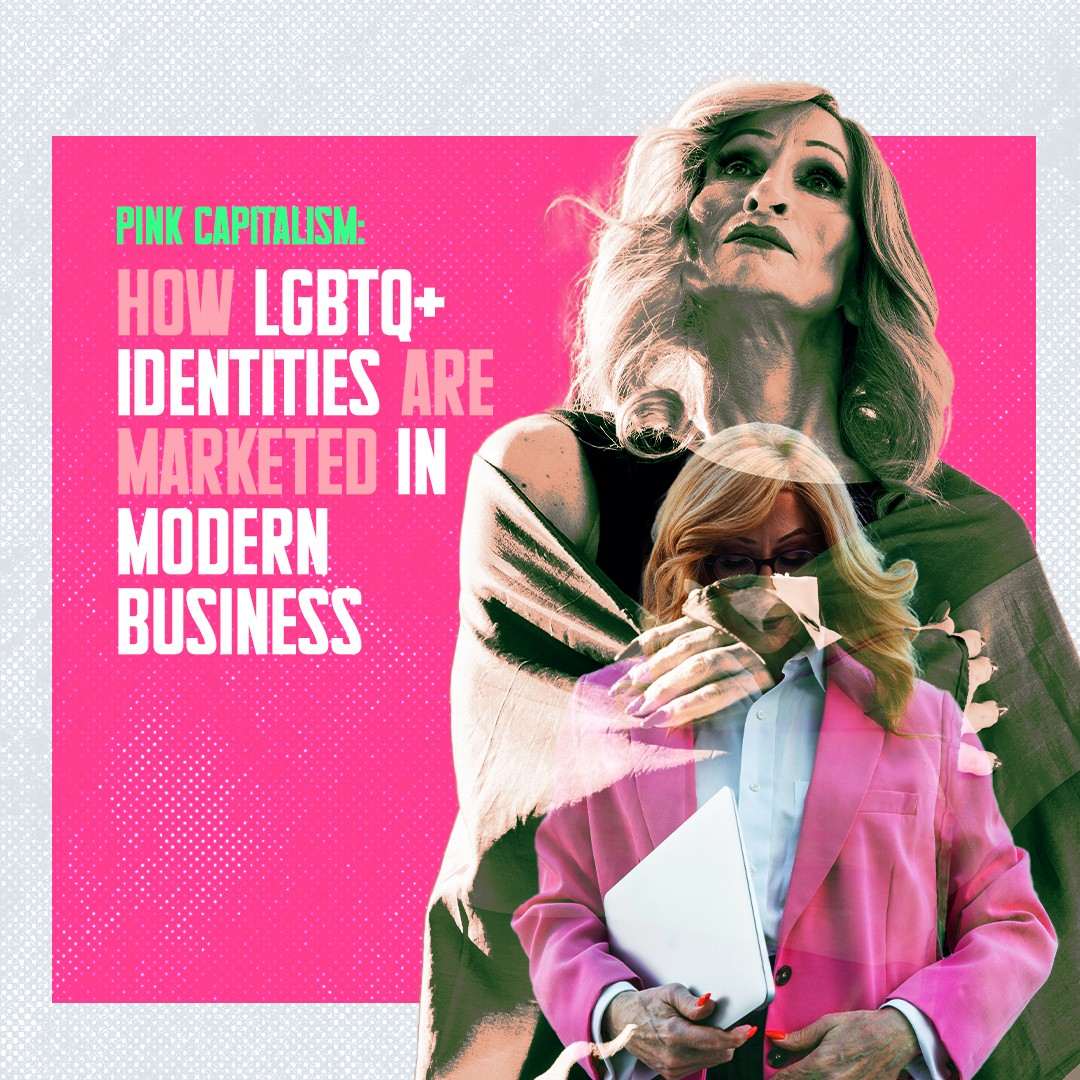
Pink capitalism: It is always predictable come June, when logos transform into rainbows, limited editions get released, and brands release statements showing solidarity on every single channel. These are all examples of what can be called “pink capitalism,” which is the marketing of queer identities for profit-making purposes. Pink capitalism is certainly nothing new. Nevertheless, it has become increasingly popular, visible, and lucrative. One’s first reaction upon seeing a brand’s rainbow logo is anything but suspicion. Such suspicion should not be overlooked, because the underlying question is pretty straightforward: Who wins from a rainbow brand? Most of the time, the answer is not the community whose flag they borrowed.

What Pink Capitalism Actually Means
The concept of pink capitalism is the commercial exploitation of LGBTQ identity by corporations. This occurs where companies use queer culture, icons, and narratives in their marketing to sell their products. Pink capitalism is an immediate reference to “pink money.” Pink money refers to the buying power of the LGBTQ community, whose market valuation exceeds $3.9 trillion by 2024 that is not a community but a target audience. Pink capitalism turns identity into a demographic. It packages queerness into something seasonal, sellable, and brand-safe. Furthermore, it reduces a rich and complex community to a marketing opportunity. The result is visibility without substance.
The Business of Pride
Pride Month is the clearest example of pink capitalism in action. During June, businesses sell their rainbow merchandise and refresh their logos. They launch their LGBTQ+-focused campaigns on all platforms. It seems that they are supporting but their logic is intentional. Research shows LGBTQ+ people support brands that reflect them; they tend to buy more when they are represented, and businesses understand this very well. Sometimes a rainbow logo is not used as support but rather as a strategy. Besides, most of the money from the sale of such items is not returned to LGBTQ+ organizations; it stays with the brand. That is pink capitalism running at full speed.
When the Rainbow Flag Becomes a Logo
The most visible form of pink capitalism is what many call rainbow-washing. A company changes its logo to rainbow colors in June. By July, the logo returned to normal. The LGBTQ+ employees inside that company see no policy change, new protections, or salary equity, just a temporary logo. This is not allyship, but performance. Furthermore, if brands are seen to be engaging in rainbow washing, they are usually silent or even completely silent when there is an LGBTQ+-related political challenge. The logo disappears exactly when keeping it would cost them something.

The Real Cost to LGBTQ+ Communities
Pink capitalism does not just feel empty it causes real harm. As companies make money from their visibility but fail to invest in the lives of those who are part of the LGBTQ+ community, they undermine the true essence of Pride. Pride started as a protest, it wasn’t an opportunity to market. It was an assertion of one’s right to safety, respect, and rights. If this narrative is reduced to a commodity, something of value is lost. Pink capitalism always features the most marketable form of queer identity; imagery that isn’t offensive to the mainstream audience. Consequently, the most vulnerable of the LGBTQ+ community remain hidden.

What Real Allyship Looks Like in Business
The brands that get it right do not wait for June to remind you where they stand. Their support for the LGBTQ+ community shows up in how they operate every single day inside their walls, not just on their packaging.
More Than a Logo in June
There is a major distinction between true allyship and pink capitalism. Allyship goes beyond participating and trying to look good in June; it is a commitment to standing up for the LGBTQ+ community when it actually matters. Pink capitalism, however, is just using rainbow branding to make a quick buck in June, then fading into the background for the other eleven months of the year.
What It Actually Costs to Stand Up
True allyship is not only about supporting LGBTQ+ rights but also creating internal strategies to empower LGBTQ+ employees and articulating a stance on LGBTQ+ rights even if it costs the brand. They do not appear seasonally but consistently; the difference that comes across is not in one logo’s change but in time.
Conclusion
Pink capitalism is not going away. As long as LGBTQ+ identity carries purchasing power, brands will find ways to market it. However, consumers are getting sharper. The question to ask any brand flying a rainbow flag is simple: what do you do in July? Real allyship has no off-season and that distinction matters more than any logo ever could.
