
CATEGORIES
#Gender & Society #Social Issues #Women & GenderOverview:
- Cottagecore has continued to remain a conventional way of viewing rural life from the outside.
- Social media has turned parts of rural labor into style, identity, and content.
- Rural women face barriers involving land, recognition, income, and economic security.
- Appreciating rural culture requires seeing the labor and communities behind this fantasy.
Introduction
Recently, social media has made it easier to experiment with identity through styling and carefully built online personas. Even places and ways of life can become part of that self-invention, borrowed to shape a mood or identity. Some creators now go further, using AI-generated images to build entire worlds from scratch. But when a culture can be generated without ever being lived, the whole idea starts to feel absurd. That distance is exactly what makes cultural representation worth looking at more closely.
How Rural Life Became an Online Fantasy
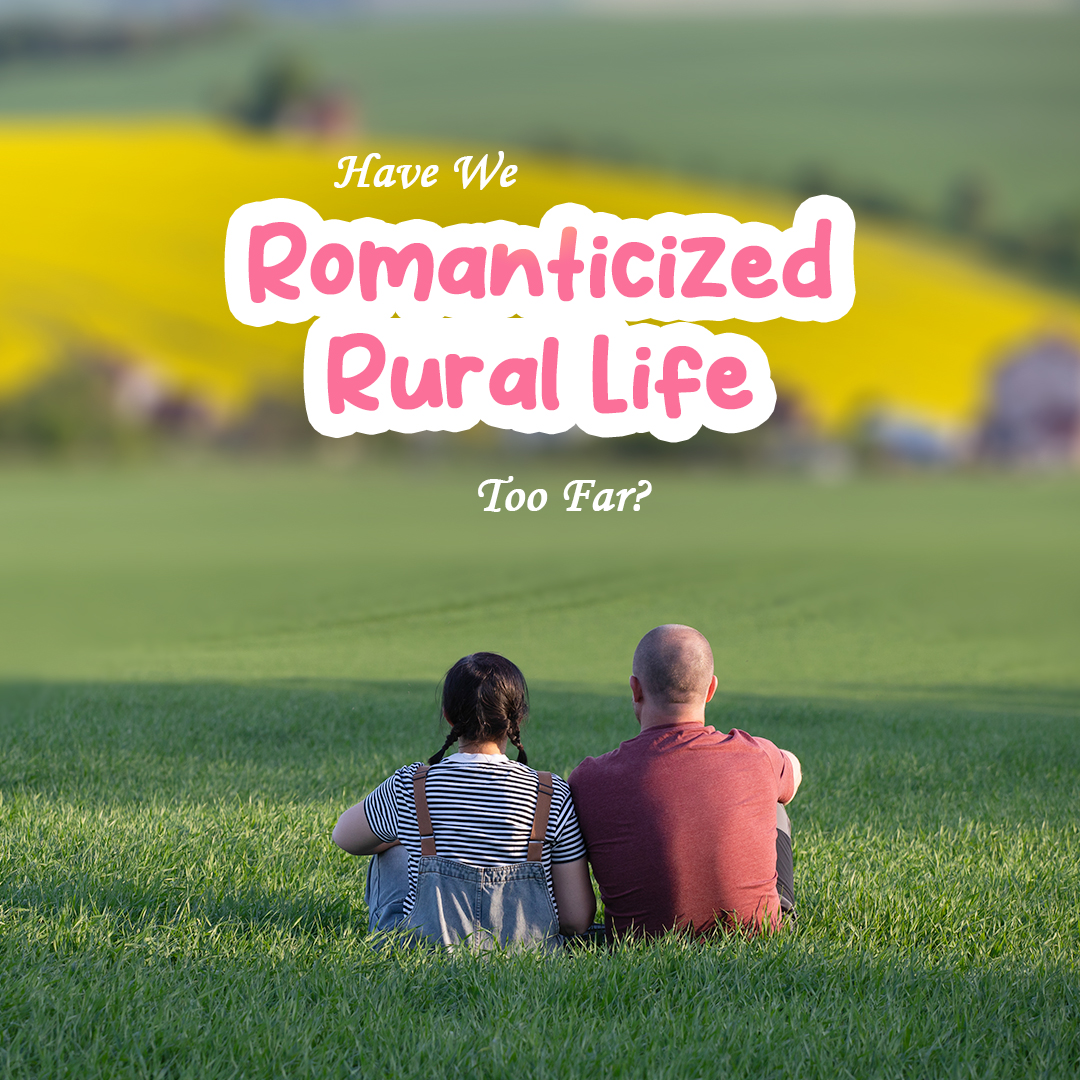
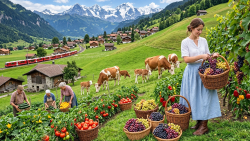
Scroll through social media long enough, and romanticized rural life begins to look almost irresistible. Online, fields are often used as backdrops and farm work is recast as self-care. The countryside starts to look like an escape from modern pressures.
As Girl Power Talk has explored, digital representation can make culture more visible while stripping away its context. That same tension can be seen in how rural life is presented online.
Pastoralism and the Outsider’s Countryside
Long before TikTok, people who did not depend on rural labor were already romanticizing rural life. The Academy of American Poets notes that pastoral conventions were established by sophisticated urban poets. Their works often reduced rustic labor to pleasant chores, turning the countryside into a place of innocence and escape.
That romanticization of rural life went beyond admiration. It turned a working community into material for an outsider’s fantasy, taking their scenery and labor while leaving their realities behind. Barry Barclay raised a related issue in Indigenous filmmaking: representation also creates responsibilities toward the people being represented.
That question carries into social media, where creators can turn rural aesthetics into content and income. If creators profit from rural imagery, what do the communities behind that imagery receive in return? In many cases, the imagery circulates widely while the communities themselves remain outside the exchange.
The Performance of Rural Identity
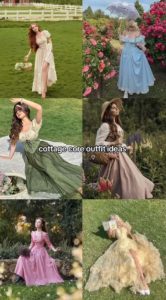
Social media did not erase that outsider gaze. It made the fantasy, in fact, wearable, searchable, and easier to perform. TIME notes that pandemic-era video helped push cottagecore and other niche aesthetics across social media. For Gen Z users, these styles became a way to experiment with identity online.
Cottagecore draws on ordinary rural practices such as gardening, sewing, and preparing food. On social media, however, these activities are often presented as lifestyle choices. Work that may be tiring or necessary in rural communities can appear tasteful and optional on screen. The Good Trade also points out that cottagecore can appeal to excluded communities seeking domestic femininity and belonging.
Still, the aesthetic can separate rural practices from the conditions in which many rural women actually perform them.
The Privilege of Choosing Rural Life
The romanticized rural life sold online does not end with cottagecore. Social media also sells rural life as an exit plan from overwork and expensive cities. Posts imagine early retirement, cheap land, homegrown food, and a future where earning less supposedly means needing less.
Yet this version of romanticized rural life often begins with resources already secured elsewhere. Buying land already requires capital, and leaving paid work assumes some financial cushion. Even growing food requires resources and agricultural knowledge.
The class difference is harder to ignore here. Some people can enter rural life after securing financial stability. Others depend on that same rural economy to obtain stability in the first place. The privilege lies in having enough security to choose rural life on your own terms.
The Rural Women We Leave Outside the Frame
Cottagecore is often centered on women, both as creators and as the figures within its imagery. That matters beyond representation. Repeated digital portrayals can blur the line between romanticized rural femininity and rural women’s actual conditions.
Outside the screen, the countryside looks different when the field is your livelihood rather than your background. Land can determine income, food security, and whether families can remain in communities reshaped by development and urbanization. These changes often follow outsider-defined ideas of progress that treat rural land as space for investment or conversion.
Yet secure access to agricultural land remains unequal worldwide. FAO data shows women are less likely to own agricultural land than men in most countries studied. This can restrict access to credit because land is often used as collateral.
This does not mean men and women farmers should be treated as competitors. Both face structural pressures within rural economies. However, women can face barriers that are tied to gender such as unpaid care responsibilities and exclusion from agricultural decision-making.
These pressures become harder to separate from wider rural problems. Displacement, land disputes, climate losses, and poor access to basic services can make daily life less secure. For people who depend on rural work to survive, the countryside is not simply a place to escape to.
Your Fantasy is Somebody’s Nightmare
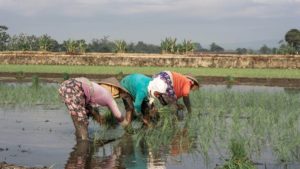
Rural women’s agricultural work can disappear behind labels such as “unpaid family worker” or “self-employed.” In the Philippines, 58% of women classified as unpaid family workers were in agriculture, according to a government assessment. The same report found that agriculture employed 20% of self-employed women. These figures show how much women’s agricultural work occurs outside standard wage employment.
What We Owe the Rural Life We Romanticize
Romanticized rural life draws from real labor, land, and farming knowledge. Appreciation should therefore involve more than borrowing its imagery. Listening to farming communities, supporting their campaigns, and taking agriculture seriously as skilled work are concrete ways to engage with rural culture.
Conclusion
Rural life does have beauty. Still, we lose something when that beauty becomes easier to celebrate than the people who produce it.
The fantasy becomes most misleading when questions of land and labor are reduced to matters of taste, shaped by dominant ideas of what rural life should look like and what the countryside should become.
