
CATEGORIES
#Career Development #Careers #Gender EqualityOverview:
- Women want promotions at lower rates than men.
- The ambition gap disappears when women receive the same career support as men.
- Only 31% of entry-level women have a sponsor compared to 45% of men.
- Organizations that prioritize women’s advancement see better outcomes.
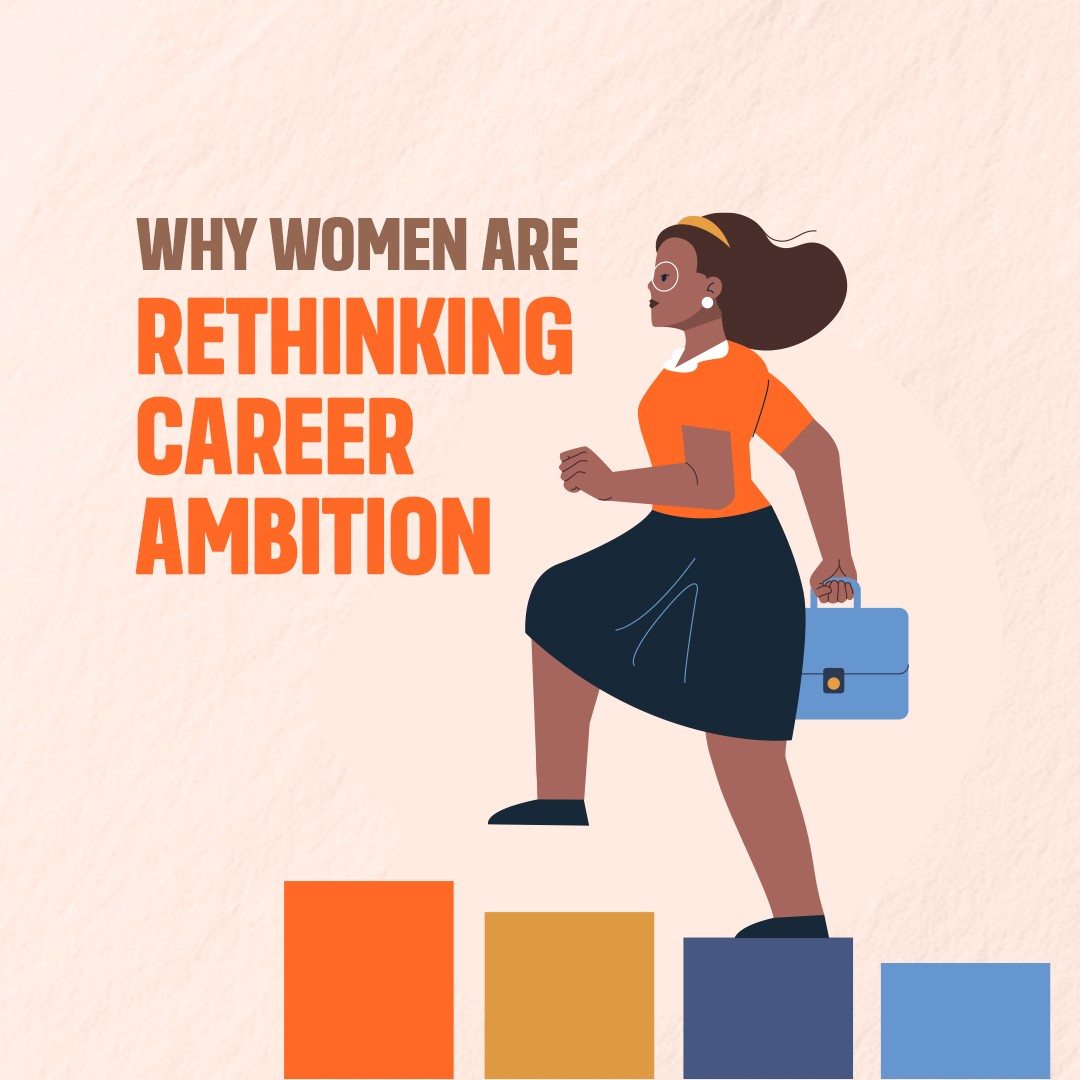
For the first time in 11 years, women are less likely than men to say they want a promotion. According to the 2025 Women in the Workplace report by McKinsey and LeanIn.Org, which analyzed data from 124 companies and 9,500 employees. This ambition gap is wide at entry level, where just 69% of early-career women want to advance compared to 80% of men. At mid-career level, 84% of women want promotion versus 92% of their male peers.
This article examines what is driving the decline, what the data reveals about the real cause, and what organizations and women can do to reverse it.

What Is the Ambition Gap?
The ambition gap is a measurable difference between women’s and men’s desire to advance at work. In 2025, for the first time in over a decade of tracking, that gap became significant. This finding does not mean women’s career motivation has not declined. Women remain equally committed to doing their best work. What has changed is not the drive itself, it is the belief that the drive will be rewarded. 88% of entry-level women say their career is important to them at nearly the same rate as men. The ambition gap is about the desire for promotion, which matters, because it points directly at the workplace environment rather than at the individual. As McKinsey partner Megan McConnell stated: when women receive the same career support as men, the ambition gap disappears.
Why Women Are Rethinking Advancement
Three factors chart women to shift their career advancement.
Declining organizational commitment
Only half of companies say women’s career advancement is a high priority in 2025, down from previous years. Some are scaling back sponsorship programs, reducing remote work flexibility, and cutting leadership development initiatives for underrepresented employees.
Burnout at the top
Senior women who are not interested in advancing are more likely to say they have been passed over for promotion. They also observe that leaders above them are burned out and unhappy. When the role model for success looks exhausting, ambition recalibrates.
The AI gap
In comparison to 60% of employees, only 37% of female entry-level staff believe that using AI can enhance their career prospects. As AI reshapes what career growth looks like, women, particularly at entry level, are less confident that it works in their favor.
Where the Pipeline Breaks
Women’s professional development is being held back in several companies through cutting sponsorship programs, training, and other opportunities to prepare women for leadership positions. Promotion for women into their first management position becomes hard.Men are promoted to manager at higher rates than women, and the gap is widest for women of color. This early gap makes it even harder for women to reach senior leadership positions later in their careers.
Women at the entry-level often do not receive promotions, challenging assignments, or leadership training. These opportunities present themselves as experience-based opportunities that help employees prepare for higher-level roles. Women may experience delayed progress and doubt about their leadership roles without them.

Support Closes the Ambition Gap
The primary conclusion from the 2025 data is that the ambition gap disappears when they receive the same level of sponsorship, manager advocacy, and stretch opportunities as men. Only 31% of women at the entry level have a sponsor, while men at this rank account for 45%. Women who are just starting out have a lower chance of being promoted or introduced to someone who can contribute to their career.
What Organizations Are Getting Wrong
There are several patterns driving the problem across organizations. Half of mid-career women report receiving no sponsorship, stretch assignments, or career training at a stage when those experiences are most impactful. Companies are reducing remote and flexible work options, which research consistently links to better outcomes for women. Only about half of surveyed companies say women’s career advancement is a high priority, and even fewer are prioritizing women of color.
The result is a workplace that tells women their careers matter while removing the structures that would make advancement feel possible.
What Successful Organizations Do
Organizations that maintain progress on women’s advancement share common practices.
- Ensure hiring and promotion decisions are structured and merit-based,
- Equip managers to actively advocate for women’s career development.
- Maintain formal sponsorship programs that connect junior women to senior advocates.
- Track promotion rates by gender and act on the data.

What Women Can Do Now
Despite structural changes being slow, women can take proactive steps to maintain their career progression.
Seek sponsorship, not just mentorship
One of the most important career decisions is to find a senior leader who will speak for you in unoccupied rooms, especially when formal programs are disappearing.
Document contributions independently
Observe accomplishments, feedback, and influence beyond any company’s framework. In the absence of stronger recognition structures, having a distinct record of your own performance is your most valuable resource.
Name the ambition
Communicate career objectives clearly to managers, mentors, and sponsors. The likelihood of women receiving opportunities that promote their career growth is higher when they express their desire to advance.
Conclusion
Women have not stopped being ambitious. What has shifted is their confidence that advancement is available to them. That shift is a direct response to less support, less sponsorship, and less organizational commitment. For companies, the path forward is not complicated because the data already shows what works. The question is whether organizations will choose to act on it before more women conclude that the ladder is not worth climbing.
FAQs:
Why do women want promotions at lower rates than men in 2025?
According to the 2025 McKinsey and LeanIn Women in the Workplace report, the gap between women and men is due to a lack of career support, sponsorship, and stretch roles for women rather than a loss of career ambition among women. With equal support, the ambition gap will disappear.
What is the broken rung in career advancement?
The broken rung is the gap in promotion rates at the first step of the ladder to becoming a manager.
What can organizations do to close the women’s ambition gap?
Organizations should maintain formal sponsorship programs, ensure structured promotion criteria, equip managers to advocate for women’s advancement, and track promotion data by gender.
Does the ambition gap affect all women equally?
No. Entry-level women and women of color are most affected. The ambition gap is also widest at entry level, where just 69% of women want a promotion versus 80% of men.
