
CATEGORIES
#Careers #Technology #Work CultureOverview:
- Cybersecurity depends on everyday employee habits, not just IT systems.
- Clear training helps employees recognize risks and know what to do.
- Open communication makes it easier to report concerns without fear of judgment.
- Leadership and ongoing learning help keep security practices consistent as work changes.
Think about how many times you use a password, open an email, or share a file during a normal workday. You probably do not think of those moments as cybersecurity decisions. Yet, each one can affect how securely your workplace handles information.
That is why building a cyber-safe work culture matters. When security becomes part of the way people work, it feels less like another rule to remember. Instead, it becomes something everyone understands and looks out for.
What Does a Cyber-Safe Work Culture Look Like?
A cyber-safe work culture starts with a simple idea: everyone has a part to play. Your IT team may manage security systems and respond to threats. Still, employees make countless everyday decisions that can affect the safety of company information.
Clear policies can help employees understand what’s expected of them. Those policies should cover practical areas like passwords, data handling, device use, and reporting suspicious activity.
Just as importantly, employees need to know where they can find that information. Security guidance is much easier to follow when it is clear, accessible, and free from unnecessary technical language.
Make Cybersecurity Part of the Everyday Routine
Cybersecurity can sometimes sound like a long list of complicated rules. In reality, some of the most useful habits are quite simple. Think about the things employees already do throughout the day. With a few small changes, those routines can become safer and more secure.
For example, employees might get into the habit of:
- Taking a second look at unexpected emails or urgent requests
- Using unique passwords and enabling multi-factor authentication for each platform
- Locking their screen whenever they step away from work
- Installing software and security updates when they’re available
- Reviewing files and recipients carefully before sharing sensitive information
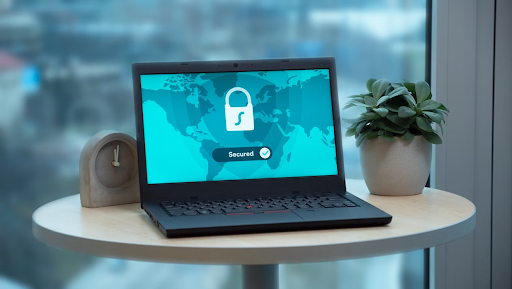
It is important to remember that security doesn’t stop at the office door. Remote and hybrid workers may be using different networks, devices, and workspaces, so the same security habits need to travel with them.
Give People Training They Can Actually Use
Most employees would not bother to memorize a long list of cybersecurity terms from a training session. Good cyber-safe training uses everyday scenarios to help employees spot something unusual and know what to do next.
Some of those topics include:
- Spotting phishing attempts: knowing the common signs of a suspicious email or message.
- Thinking twice before clicking: checking unusual links or unexpected attachments.
- Protecting sensitive information: understanding how to handle company and customer data safely.
- Using work devices and accounts securely: keeping devices, passwords, and accounts protected.
It is also worth introducing these expectations from the start. Including cybersecurity in employee onboarding helps new team members understand their responsibilities and build good habits early.
Training does not always have to mean another formal session either. Short weekly reminders or occasional exercises can keep cybersecurity fresh without overwhelming employees with too much information at once.
Make It Easy to Speak Up
Cyber-safe habits are easier to build when people feel comfortable speaking up. This matters at every level of an organization. A junior employee should be able to say, “I’m not sure this request is right,” even when it comes from someone more senior. Someone who has been with the company for years should also feel comfortable asking for clarification when they are unsure about a security process.
Psychological safety means people can raise a concern or ask a question without worrying that they will be embarrassed or judged for it. In cybersecurity, that can make a big difference. The sooner someone feels comfortable saying something does not look right, the sooner the issue can be checked.

Let Leadership Set the Tone
Culture tends to follow what people see around them. If leaders treat cybersecurity as something important, employees are more likely to take those expectations seriously. It can be as simple as following the same security practices expected from everyone else and being careful with their own login credentials. Leaders can also make time for training, support clear policies, and take employee concerns seriously.
When senior teams consistently reinforce secure behavior, it sends a message throughout the organization. Cybersecurity becomes a shared responsibility rather than something that belongs to IT alone. People are more likely to build lasting habits when they can see that everyone around them is taking security seriously.
Keep Learning and Adapting
The way we work is always changing, and cybersecurity needs to keep up. New tools get introduced, teams change how they share information, and employees may start working in ways they did not before. All of this can affect how company information is accessed and protected.
Whenever something changes, it is worth taking a moment to ask whether the current security approach still makes sense. A new system might change who has access to certain information, while a shift towards remote work might require a closer look at how employees connect to company systems. These do not need to become hour long reviews, even hearing out employee feedback can help make sure old security practices still make sense.
The important thing is to keep security connected to the way work is actually being done. When the business changes, security should be able to adapt with it.
Conclusion
A cyber-safe workplace does not have to feel complicated or intimidating. It starts with clear expectations, useful training, and everyday habits people can actually follow. When those practices become part of the routine, protecting your workplace becomes a natural part of how everyone works.
