
CATEGORIES
#Digital Media / Technology #Psychology #Social MediaOverview:
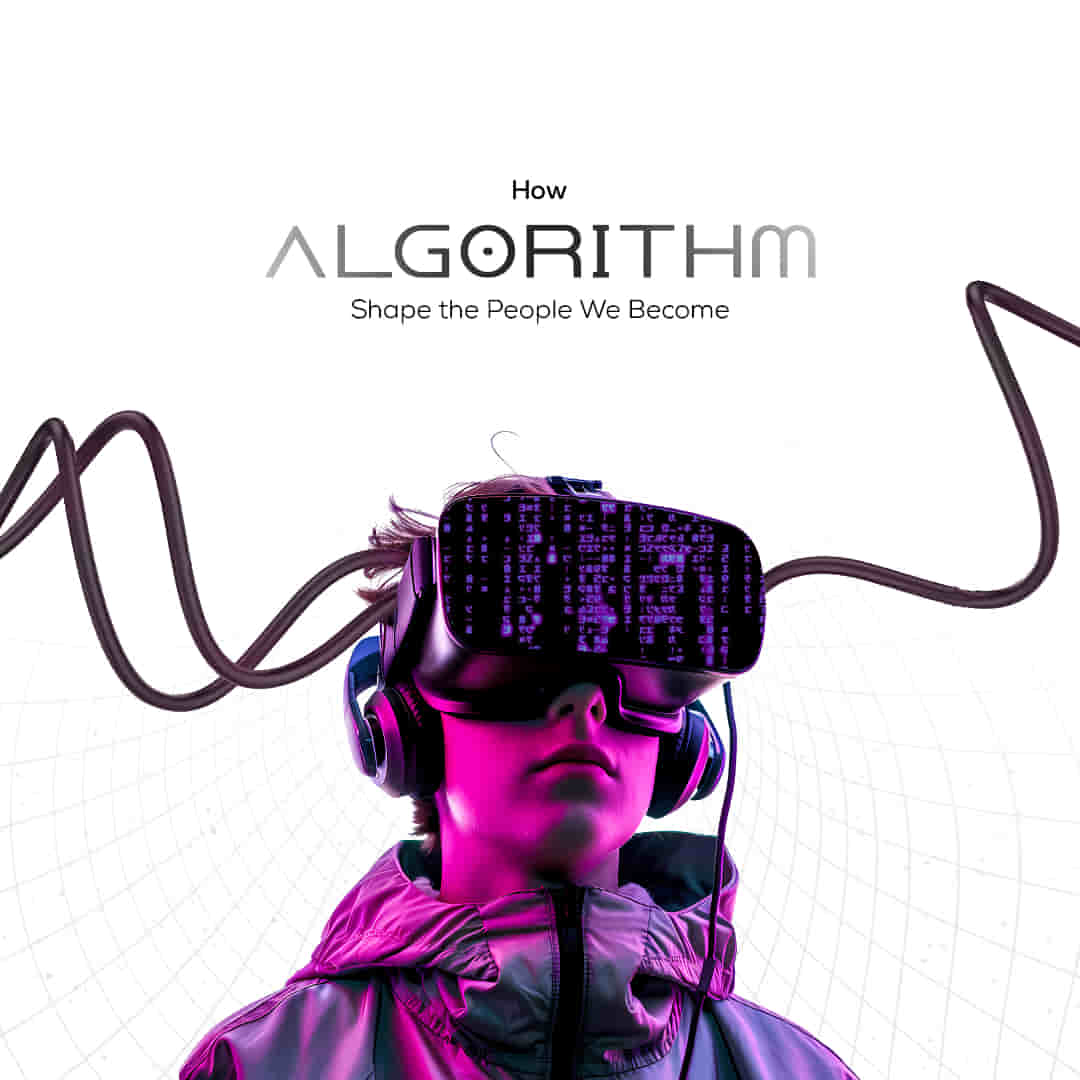
- Algorithms influence the content people consume online.
- Recommendation systems shape interests, beliefs, and behavior.
- Understanding algorithmic influence can help individuals make more conscious choices online.
Most of you have the same morning routine. There is a phone in hand before you have properly woken up. You are just squinting at Instagram, drifting into reels somewhere between lunch and whatever you were actually supposed to be doing. Then later in the day, you watch YouTube until you fall asleep. The strange part is that none of it ever feels random. The content showing up in your feed feels weirdly familiar, almost like the app has a read on you.
In a way, it does and actually works. Your feed is not curated by a person sitting somewhere making selections. It is built by a system that has been quietly tracking your behavior. Every time you pause on something, like a post, or type something into the search bar, that gets logged. The system uses all of it to work out what keeps you watching, and for the most part, people do not mind. The personalization makes everything feel effortless. This personalization is driven by algorithms that learn from your behavior.
People tend to think of scrolling as a way to pass time, but it does more than that. The online content you consume quietly shapes your opinions about people and the world.
The Personalization Loop
These platforms are not primarily built for your benefit. They are designed just to hold your attention. Every time you interact, scroll, pause, or tap, the system learns a little more about what online content keeps you hooked.
A few gym videos in your history and suddenly the content in your feed shifts. Protein shakes, 5am wake-up routines, transformation content everywhere you look. Spend a few days clicking on business content and suddenly you are buried in founder stories. It snowballs quickly, and honestly, it feels satisfying at first, like the app has finally figured you out.
When Interest Become Identity
The real power is not just the targeting, though. It is the repetition. Whatever keeps appearing in your feed starts to feel more important and more normal than things you only come across once. The algorithm is not simply reflecting your interests back at you. It is quietly intensifying them. Something you were only half-curious about can, over weeks, start feeling like a real part of who you are.
Sometimes all this is genuinely fine. A teenager who keeps getting served coding videos might fall in love with programming for real. Someone whose feed is full of travel content might start asking themselves why they are still in a job they stopped caring about ages ago. Actual life changes can come from that kind of repeated exposure.
The problem comes when the loop closes in too tightly. A feed that becomes nothing but variations of what you already think and like stops being a window and starts being a mirror.
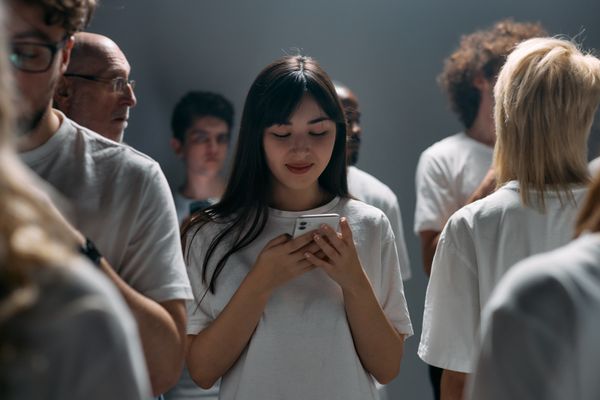
Image Credit: Pexels
How Algorithms Shape What We Believe
The exact same app, used by two different people, can end up showing them completely different versions of reality. This is not even an exaggeration, because it is literally what happens.
One person’s feed is full of detailed articles and considered perspectives. Another person’s is all outrage clips and hot takes. Neither of them chose it that way. It shaped itself around their behavior over time, and both of them probably feel like they have a decent sense of what is going on in the world. The online content people see each day is rarely the same, even when they use the same platform.
Why Some Content Becomes More Visible
Angry posts get more engagement by shares and exciting ones get commented on. The algorithm notices all of that activity and pushes the content out to even more people. The content that already matches what someone believes, especially when it is emotionally loaded, ends up far more visible than anything quieter or more complicated.
A feed that only ever shows opinions matching your own makes those opinions feel like obvious common sense. You gradually lose the awareness that other reasonable people might look at the exact same situation and come to a completely different conclusion. Interestingly, nobody designed it to work that way deliberately. A system chasing engagement without caring whether anyone is getting a full picture will just naturally end up there.
These same platforms have also given people access to ideas and perspectives that would have been genuinely hard to find before, so the story isn’t entirely negative. A lot depends on what you actually do with what you are shown.
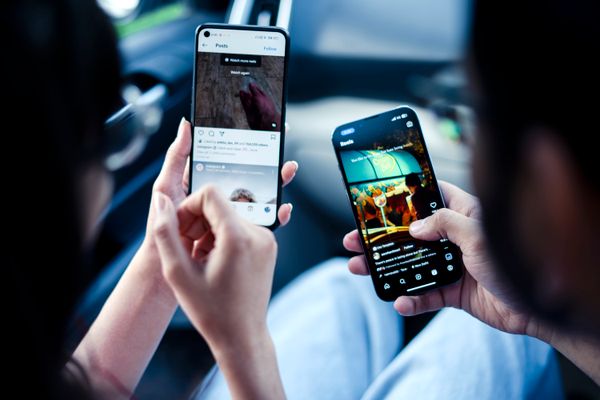
Image Credit: Pexels
Who We Become Online
While growing up, your personality is shaped by lived experience. The people around you, the place you came from, things that happened to you. Social media has not changed that process, but it has quietly inserted itself into it in ways that are harder to spot.
Day after day, people are picking up ideas about what success is supposed to look like, what counts as a good body, what a healthy relationship feels like. Most of it happens without anyone consciously signing up for it. Some comes from influencers, while other online content comes from trending formats or sounds that seem to be everywhere for a few weeks, and a lot of it just accumulates from months of watching similar content without ever really clocking it.
Younger people absorb this content especially deeply because they are still figuring out who they are. A kid who grows up surrounded by luxury lifestyle content might start measuring their own worth in material terms, because that is what success keeps looking like in their feed. Someone deep in hustle content for long enough might genuinely feel guilty for taking a single day off.
Performing for an Audience You Cannot See
Anyone who shares online content is exposed to a constant stream of feedback through likes, comments, views, and shares. Over time, creators begin to notice which posts attract attention and which disappear unnoticed. Certain formats perform better, certain topics gain more engagement, and content gradually starts shifting in that direction, fitting the platform rather than the person making it.
None of this is entirely new either. People have always shifted how they come across depending on who is in the room. Talking differently at work than with close friends is not being fake, it is just how social life functions. What is changed now is that the feedback is public, it is measured, and comes back instantly. You can sit there and watch a number tick up or down in real time.
You learn fast what gets attention and what disappears. For some people, the version of themselves that plays well online starts feeling more real, or at least more valued, than the one that exists when no one’s watching. Algorithms do not make any of this happen directly, but the environment they create makes certain choices consistently more rewarding than others, and that’s enough to pull behaviour in a particular direction over time.

Image Credit: Pexels
Staying Yourself Anyway
People have more control here than it sometimes feels like. Algorithms carry a lot of weight, but they are not making every decision.
Actively seeking out voices with different viewpoints helps as does exploring topics beyond your usual interests. It also helps to notice when the same kind of online content keeps turning up and ask yourself whether that is actually what you want more of. Small decisions like these build up over time in ways that genuinely matter.
Recommendation systems have made it easier for people to find niche interests and communities. A world where so much of what you see has been selected by a system built to keep you scrolling is one where paying attention actually matters.
Conclusion
Nobody is switching algorithms off. They have become part of how people discover information, make decisions and understand the world. They can lead you toward new skills, meaningful connections and ideas that can change your perspective. Shaping your own identity is still on you, even when it starts to feel like something else has taken over. Simply to ask whether the content you consume is genuinely adding value to your life or merely distracting you from it. The online content that shows up on your screen is increasingly automated, but the choices you make with it are still your own.
