
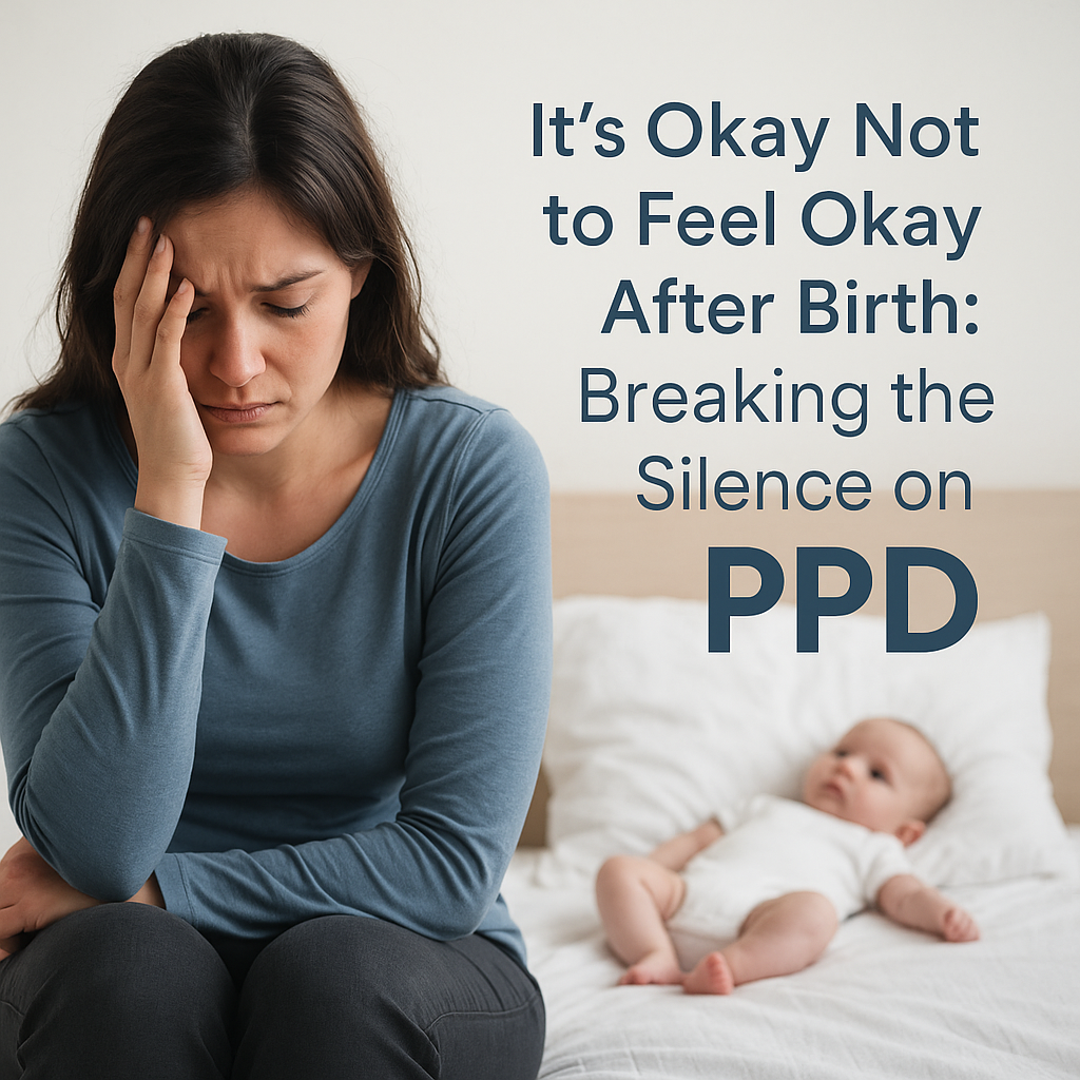
Overview:
- What postpartum depression is and the major reasons it develops.
Key symptoms, emotional struggles, and available treatments.
The role of partners and families in helping mothers recover. - This can have drastic consequences for shaping the digital identity of younger generations.
When Joy Turns Into Being Overwhelmed
The arrival of a new baby is often seen as a joyful milestone. However, many new mothers experience significant sadness, anxiety, and exhaustion, known as postpartum depression. This serious condition is one of the most treatable mental illnesses and can also affect new fathers.
Symptoms of PPD include extreme sadness, isolation, hopelessness, and
Withdrawal from emotional well-being. The causes are complex, involving a mix of emotional, social, and biological factors that can overwhelm the mind and body.
The Real Reason Behind PPD:
Postpartum depression doesn’t have a single cause. It’s usually a mix of biological, emotional, and social factors that together overwhelm the body and mind.
Hormones in Free Fall:
During pregnancy, progesterone and estrogen levels increase but can return to pre-pregnancy levels within a day after childbirth.
This sharp hormonal crash can affect brain chemistry and trigger depression. Fluctuations in thyroid hormone levels can cause mood swings, tiredness, and even depression.
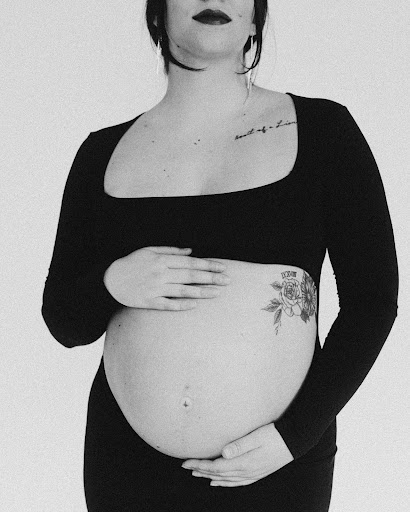
The Weight of Physical and Emotional Exhaustion:
The sleep deprivation and burden of tasks that accompany childbirth can be overwhelming. The body and mind can only stretch so far before daily tasks feel impossible and exhaustion sets in. The loss of appetite and difficulty bonding that follow are all indicators that the individual may be suffering from PPD. Some reports suggest that feelings of sadness and anxiety during pregnancy can be triggers of depression after birth. If such feelings are present during the pregnancy, they may become amplified following the delivery.
Hidden Battles: Depression During Pregnancy
Many people do not understand that childbirth can be accompanied by depression. Reports show that one of the depression triggers after childbirth consists of feelings of sadness, anxiety, or hopelessness during pregnancy. If those feelings were present during pregnancy, they may get stronger after delivery.
The Body Image Struggles No One Talks About
Pregnancy changes everything: your body, your sense of self, and your confidence. And while society celebrates the newborn baby, mothers are often left comparing their “before” and “after.”
Constant negative body image during or after pregnancy can lead to feelings of inadequacy and depression. The pressure to look like yourself again can make it even harder to overcome, both physically and mentally.
When Support Isn’t Enough
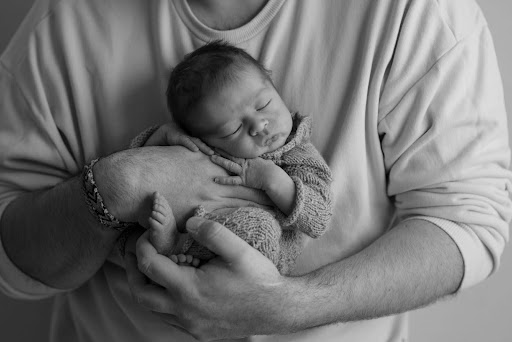
PPD can also be isolated or worsened by the feeling of being alone. New mothers often feel isolated, especially when their partners or families overlook the psychological impact of motherhood. Your partner’s treatment during pregnancy is vital; lack of support or relationship conflicts are major risk factors. Having the right partner by your side plays a very pivotal role in dealing with PPD. Having someone to look after the baby for a quick power nap can help you feel relaxed and refreshed. Having a partner who helps with chores and takes care of your hair when you’re too tired is invaluable.
A supportive partner makes co-parenting easier and more rewarding over time with love and emotional support. That’s why it’s very essential to choose the right partner, because I read it somewhere that; “Your partner or the person you marry is the only one who is going to carry you through the birth of your child, through the death of your parents, when your body is going through the change, through the emotional roller coaster during pregnancy, when your kids feel safe with them to confide anything – So you’re not picky enough.”
Why It’s So Hard To Speak Up?
“I never know whether to cry or stay numb,” some new mothers confide. Some become withdrawn, while others keep up the front until they fall apart in private.
This explains why PPD is often unseen. It is concealed under forced smiles and superficial “I am fine” responses. Symptoms may arise days, weeks, or even months after childbirth.

The Shame Of Not Feeling “Happy”
Society paints motherhood as pure joy — so when the joy doesn’t come, guilt takes over. Many mothers think they are ”Bad moms” for feeling numb, disconnected, or overwhelmed. PPD is not a “bad” choice; it’s a range of medical conditions that can affect a loving parent.
When It Gets Dangerous: Postpartum Psychosis
In a very few but sad cases, postpartum depression may evolve into postpartum psychosis. This may include hallucinations, confusion, or self-harm and child-harm impulses. A condition requires seeking help, which fulfils it, even if viewed as a medical disorder. This particular conversation should save a life, or many, and is all that is needed for the condition. This condition requires immediate medical attention and hospital care. Awareness and early intervention can save lives.
How Do Doctors Diagnose It?
There is no single test that can confirm the occurrence of postpartum depression. Some research indicates the possibility of doctors checking for other conditions that could mimic the symptoms of depression. Improvements in sleep, mood, and other stagnant areas of newborn care are also considered. If therapy becomes insufficient, a prescription of antidepressants becomes a possibility. Doctors exercise caution in the selection of routine prenatal medications.

Finding The Way Back: Treatment and Recovery:
Talk Therapy Works
Psychotherapy, especially CBT or IPT, can help mothers understand the situation and regain control. Healing does not happen in love.
Medication Helps
There is no other way around it; a close relationship with a health provider is critical. Do not stop medication suddenly, and do not self-medicate.
Having and Building A Positive Support System
No one should go through this alone. Having a supportive partner, family, or friends can make all the difference. Simple acts like taking over baby duties for a while,
Cooking a meal or offering reassurance helps recovery even faster.

There’s Hope – Always
Mothers with Postpartum Depression can improve with the help of the right therapy and family. Healing doesn’t happen in an orderly way, and the process may include difficult days. Deciding to call for help for the first time makes all the difference. Expressing your feelings is essential. No one is broken when they need help, and if you need help, you are certainly not alone.
Experiencing postpartum depression is not a reflection of the kind of mother you are. It is just one chapter in the enormous book of your strength.
