
CATEGORIES
#Feminism #Gender & Society #Women EmpowermentOverview:
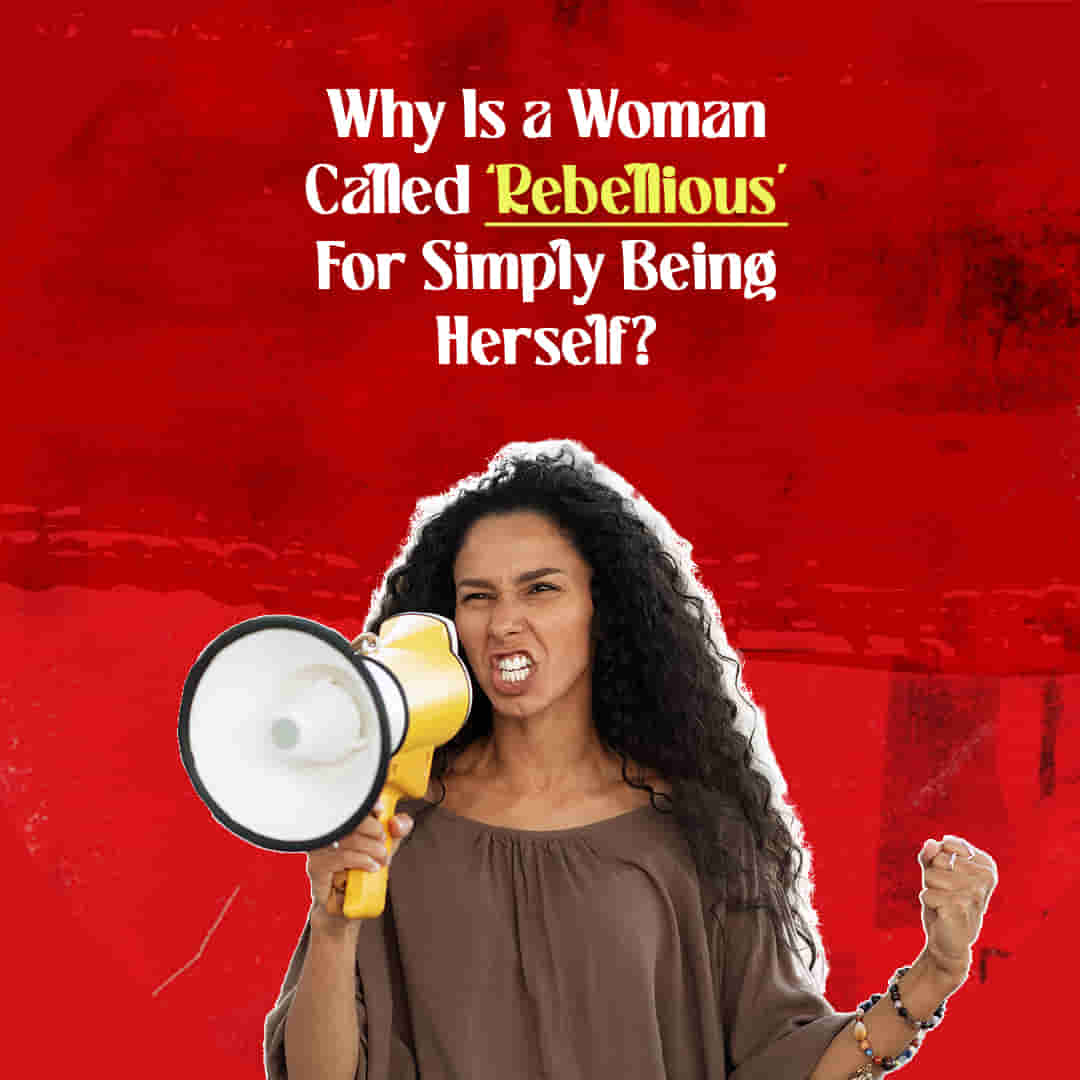
- Women’s basic expression is often labelled as rebellion.
- Society shapes how women speak, dress, and behave.
- Resistance grows after years of quiet conditioning.
- Rebellion is often a response, not defiance.
The Right to Speak Is for Everybody
Freedom to speak is a fundamental right for all humans. However, there is still a silent code attached to this freedom for most females. To speak freely can be considered disobedience. Asking a straightforward question can be interpreted as undesirable behavior. Even voicing one’s opinions can sometimes become “too much”.
Words such as “do not disagree”, “shut up”, and “mind your manners” seem harmless at first. However, for a woman who hears these words repeatedly, they become her societal guidelines. After a point it becomes exhausting. Nevertheless, it has become the reality of generations of women who were taught silence and obedience.
So when a woman finally chooses to speak for herself, it doesn’t always land well. It is labelled as resistance. Which raises a simple question: when did basic self-expression turn into rebellion?
Why Is a Woman the Keeper of “Family Honor”?
Since childhood, women have been taught about boundaries. The boundaries are never explicitly stated; however, they exist implicitly. Society decides how the women must conduct themselves, talk, and exist.
In practice, the boundaries can be expressed in multiple ways. Like laughing quietly is required, returning home before dark is expected, and dressing appropriately is mandatory. While one boundary might appear trivial at first sight, collectively, they confine her.
In any position, whether as a daughter, wife, mother, or daughter-in-law, she is always expected to represent the family’s honor. The decisions she makes seem to represent all others in some way.
Initially, such behavior sounds like taking responsibility. However, in reality, it pushes accountability away from others. Men cannot be evaluated in the same way. Their behavior is easily ignored, while women are monitored at all times.
The boundaries are imposed upon her; they are rarely her choice. The moment she surpasses them, she is no longer viewed as an independent individual but rather as a rebel.
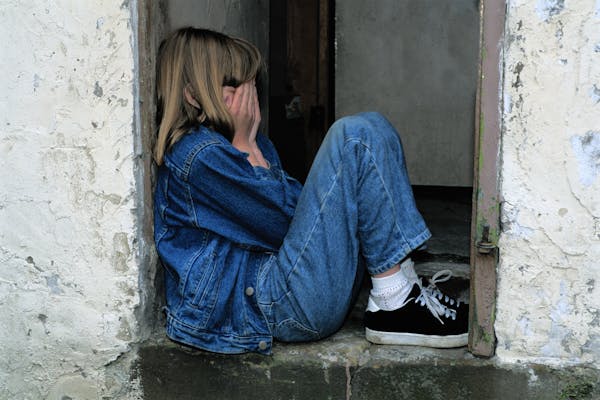
Image Credit: Pexels
Control Begins Indoors
Yes, it’s harsh, but a woman’s silencing starts at home, not in society. Her family and her relatives always correct her actions and question her free will. Leave everyone but her own parents, instill her with the many false beliefs which she believes. They try to convince her follow the hollow rules keep telling her why it is important to live by them. She is being told that if she does not behave in a proper way, her image will be tarnished.
In the name of “safety” and “traditions”, women are being suppressed unknowingly. Over time, these intangible rules gradually dominate a woman’s mind, heart, and soul. The worst part is that she doesn’t even realize it.
They come disguised in childhood as the differences in discipline between sons and daughters. When a girl speaks of her relationship status at home, she is being scolded. Parents will say, “Is this why we raise you with so much love?” “Don’t you have any shame left?”
The scenario is just the opposite in a son’s case when he tells her parents that he has someone in his life. Parents and other people will say, “This is your age to do all this; if not now, then when?” This is just an example of how girls and boys are being differentiated when it comes to making life choices. There are ‘N’ numbers of examples. It starts with a woman’s childhood, which makes her feel different from men. As a result, over time a woman’s inner world changes.
She learns to be careful what she says, so it does not make anybody uncomfortable. She ignores her dreams and rights. She starts to doubt the things she feels are right. She does all of this so that nobody gets offended.
Over time she builds walls around herself. This keeps her from being who she really is. When she grows up, these walls become so concrete that she accepts them as part of her world. By adulthood, these barriers are no longer seen as external constraints but as parts of her essence.
When Freedom Comes With Conditions

Image Credit: Pexels
Fear of a Woman’s True Potential
There’s an unspoken awareness in society: a woman who understands her potential can’t be easily controlled. This fear doesn’t always show up directly. Sometimes it sounds like concern, and sometimes it comes disguised as advice. But underneath, the message stays the same: Stay within limits.
That’s where resistance begins. The more a woman questions, the more clearly she sees the restrictions placed on her. And once she sees them, it becomes difficult to ignore them. Calling her “rebellious” becomes a way to slow her down. It makes her second-guess herself and forces her to question her imperfections. It mirrors the reality of a world where feminism with flaws is still being questioned.
In many ways, the label isn’t about her behavior at all. It’s about maintaining control.
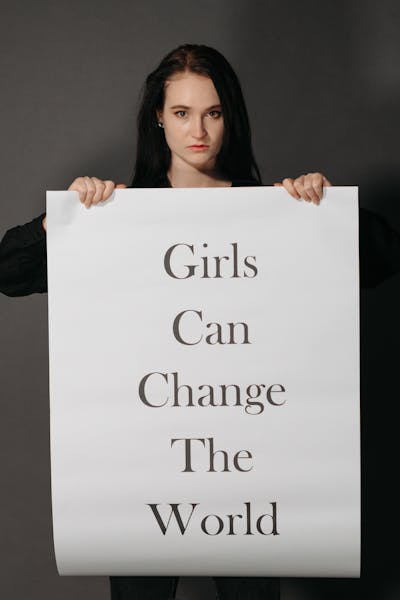
Image Credit: Pexels
When Women End Up Enforcing the Same Norms
There is one particularly complex reality that needs to be considered. Men come after, but it is the women who pull other women down first. One woman who completely agrees with society’s unfair rules asks other women also to follow them blindly. Like a mother says to her daughter after marriage, “Now your real home is your husband’s home.”
Of course, it is not meant to place blame. The fact is that women become accustomed to it because their mothers were taught to follow it.
What was once essential becomes natural, and even asking for an alternative feels wrong. This pattern did not emerge overnight; it stems from the history of female generations subjugated by society since the beginning.

Image Credit: Freepik
When Rebellion Becomes Reaction Instead of Choice
Frustration doesn’t just vanish after years of being told what to do and how to be. It builds—quietly, slowly—until it needs an outlet. Sometimes, that outlet looks like reacting to everything that once felt restrictive. Saying no becomes automatic.
Breaking rules feels necessary, even when those rules may not hold the same weight anymore. You might notice these changes in small ways. Dismissing advice without thinking. Pushing back even when something feels right. The act of holding on to resistance itself serves as a form of identity.
This doesn’t stem from confusion. It comes from having had too little control for too long. When choice has been limited, even freedom can feel like something that must be constantly proven.
However, responding to every situation can obscure the distinction between choice and impulse. Not every decision needs to come with defiance. Real empowerment looks quieter. It’s about choosing with clarity, not reacting with intensity. It’s about deciding what truly matters—and letting the rest go.
What Makes a Woman ‘Rebellious’?
Women are labelled as rebels for the same reasons men are labelled as confident leaders. Any woman who speaks her heart out is being punished by others. She has to face consequences to voice her opinion. Women and girls face negativity when they assert their rights.
Women are being blamed if they question the assertiveness of a man. They have been deliberately pushed back by society. Society always perceives a bold and confident woman as a threat.
This negativity stems from ancient stereotypes that suggest women should be respectful, kind, and well-mannered.
Women do not lack confidence; they suffer from the criticism and backlash society directs towards them. A woman who defies the wrong norms of tradition is a rebel, but the real picture is different.
She is aware of social norms and recognises her values. Asking questions is not rebellion; it is growth and the courage to point out what is wrong. What is said to be rebellion is actually real freedom. The same idea explored in The Feminist Echo of Lincoln’s Vision: Freedom, Fairness, and the Power of Voice.

Image Credit: Freepik
Rebellion or Real?
If basic rights feel like rebellion, then maybe the problem isn’t the woman. Maybe it’s the system that defines her actions as excessive.
What’s often labelled as rebellion is, in reality, a response. A response to years of control, silence, and limitation. Choosing to live honestly isn’t aggression. It’s survival.
Perhaps it is time to cease questioning why women are rebellious. It is time to enquire why they are anticipated not to be.
Conclusion:
Being called “rebellious” is often the price women pay for being themselves. What looks like defiance is often just honesty and self-respect. Maybe she isn’t rebellious. Maybe she’s just done asking for permission.
