
🎧 Listen to this article:
Overview:
- Personalized learning adapts education to individual strengths, challenges, and academic goals.
- Mentorship builds confidence, encourages independence, and supports long-term student development.
- Technology expands learning opportunities but also introduces new accessibility challenges.
- Inclusive education helps students from different backgrounds reach their potential.
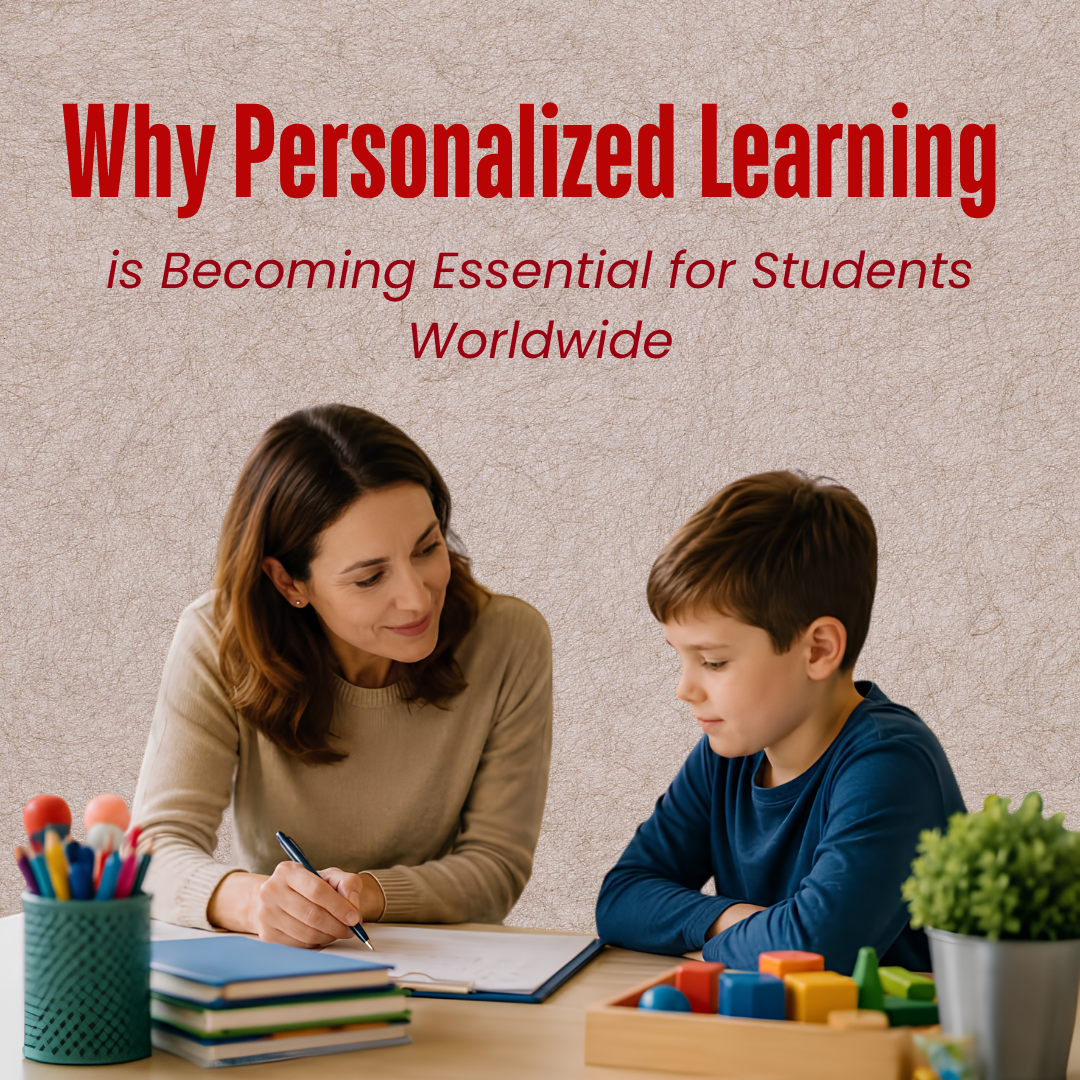
Imagine two students attending the same classroom, following the same lessons, and preparing for identical examinations. One understands new concepts immediately, while the other needs additional explanations and practice to feel confident. Despite their different needs, both students often receive the same instruction, assignments, and expectations. This familiar classroom experience highlights an important question: should education expect every student to learn in exactly the same way?
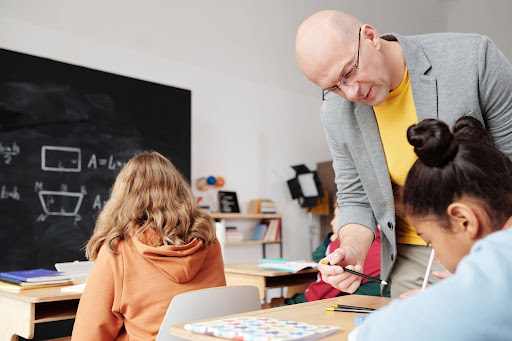
As education continues to evolve worldwide, personalized learning is gaining attention as a more flexible and inclusive approach. Rather than expecting students to adapt to a single teaching method, it encourages educators to recognize individual strengths, challenges, and ambitions. With growing access to digital resources, academic mentorship, and individualized support, students have more opportunities to build confidence and develop skills beyond the classroom.
Why Traditional Education Needs to Evolve
Different Students, Different Learning Journeys
For generations, traditional education systems have organized students according to age, grade level, and standardized academic expectations. While this structure makes education easier to deliver at scale, it doesn’t always reflect how individuals understand information or develop new skills. Some students learn quickly through practical activities, while others benefit from visual explanations, discussion, or additional time to explore complex subjects.
These differences become particularly noticeable in classrooms with diverse learning abilities and educational backgrounds. A student who struggles with mathematics may excel in creative problem-solving, while another might demonstrate exceptional analytical abilities but need support with communication. When teaching follows a rigid structure, educators may struggle to nurture these strengths while addressing individual challenges.
Personalized learning offers an alternative by encouraging teachers to adjust instructional methods according to student progress. Instead of viewing academic differences as weaknesses, this approach recognizes that meaningful learning can happen through different pathways.
A Global Need for Better Learning Outcomes
The need for more adaptable education extends far beyond individual classrooms. According to UNESCO, millions of children and young people worldwide still face barriers to accessing education. Even among students who attend school regularly, differences in educational resources, teacher availability, and learning support can significantly influence their experiences.
Improving educational access remains essential, but increasing enrollment alone cannot guarantee academic success. Education systems must also consider whether students receive the guidance and resources necessary to understand what they learn. Personalized approaches can support this objective by helping educators identify learning gaps earlier and respond more effectively.
How Personalized Learning Builds Confidence
Turning Academic Challenges Into Opportunities
Academic confidence often develops through small achievements rather than dramatic improvements. When students repeatedly struggle with the same subject, they may begin questioning their abilities, particularly when classmates appear to progress more quickly. Over time, this frustration can reduce motivation and create unnecessary anxiety around learning.
Personalized education helps address this challenge by breaking complex subjects into manageable stages. Students can revisit unfamiliar concepts, receive constructive feedback, and gradually develop a stronger understanding without feeling pressured to match everyone else’s pace. As their knowledge improves, academic challenges can become opportunities for growth rather than reasons for discouragement.
This approach also encourages students to take greater responsibility for their education. When they recognize their progress and understand which strategies work best, they become more confident in making decisions about their academic development.
Recognizing Strengths Beyond Examination Results
Although examinations remain an important part of education, they cannot fully capture every student’s potential. Creativity, leadership, communication, and problem-solving are equally valuable qualities that may not always emerge through traditional assessments.
By incorporating individual projects, practical experiences, and different forms of evaluation, personalized learning allows students to explore these abilities. It also helps educators connect academic subjects with real-world interests, making education feel more relevant to future ambitions.
The Importance of Mentorship and Academic Support
Why Personal Guidance Makes a Difference
While personalized learning often involves adapting educational materials, human relationships remain central to its effectiveness. A supportive mentor can help students understand difficult concepts while also providing encouragement during periods of uncertainty. This becomes especially important during major transitions, such as preparing for university, selecting academic subjects, or exploring potential career paths.
Across the world, students access this guidance through school mentoring programs, community initiatives, online education platforms, and individualized tutoring. Organizations such as Apex Tuition Australia illustrate how academic support services can contribute to personalized learning, alongside similar educational initiatives operating internationally.
However, effective mentorship involves more than improving examination performance. Strong mentors encourage curiosity, help students develop productive study habits, and create environments where asking questions feels natural. These relationships can strengthen independence while helping young people approach unfamiliar challenges with greater confidence.
Creating Space for Independent Thinking
Students often learn more effectively when they feel comfortable expressing uncertainty and exploring different perspectives. Rather than immediately providing answers, mentors can guide learners toward discovering solutions independently, allowing them to develop reasoning and critical-thinking skills.
This approach also changes how students perceive mistakes. Instead of treating incorrect answers as failures, supportive educators can use them to identify misunderstandings and encourage deeper exploration. Over time, these experiences help students become more resilient and willing to participate actively in their education.
How Technology Is Reshaping Global Education
Learning Opportunities Beyond the Classroom
Digital technology has transformed how students access educational resources, making personalized learning increasingly possible outside traditional classrooms. Online courses, interactive exercises, and virtual learning environments allow students to revisit lessons, explore unfamiliar subjects, and access materials according to their schedules.
Artificial intelligence is also introducing new possibilities for individualized academic support. Certain educational tools can adjust practice activities based on student performance, while others assist with explanations, revision materials, and immediate feedback. When implemented carefully, these technologies can complement classroom instruction and provide additional opportunities for independent learning.
Nevertheless, technology should support rather than replace meaningful educational relationships. Teachers and mentors remain essential for understanding emotional needs, evaluating progress, and helping students interpret information critically.
Addressing the Digital Divide
Despite these developments, access to digital learning remains unequal. Students in rural communities or economically disadvantaged households may lack reliable internet connections, appropriate devices, or supportive learning environments. Consequently, technological innovation can unintentionally increase existing inequalities when educational systems overlook these barriers.
As highlighted in UNESCO’s research on technology in education, the effectiveness of digital tools depends heavily on how educators integrate them into learning environments. Expanding access therefore requires investment in infrastructure, digital literacy, teacher training, and affordable educational resources.
Breaking Barriers to Educational Accessibility
Making Individualized Support Available to Everyone
One of the greatest challenges facing personalized education is ensuring that its benefits extend beyond families with substantial financial resources. Private tutoring, specialized learning programs, and advanced educational technologies can offer additional support, but their costs may place them beyond the reach of many students.
Schools and community organizations can help reduce this gap through targeted classroom instruction, peer mentoring, small-group activities, and accessible online resources. Public investment in teacher development can also strengthen educators’ ability to recognize individual learning needs without requiring expensive external programs.
Equally important is creating learning environments that respect linguistic, cultural, and physical differences. Students should have opportunities to demonstrate their abilities through accessible materials and appropriate support, regardless of their backgrounds.
Empowering Girls Through Personalized Education
Encouraging Confidence, Ambition, and Leadership
Personalized learning can play an important role in expanding educational opportunities for girls and young women, particularly where social expectations influence academic choices. Although access to education has improved in many regions, stereotypes and limited mentorship opportunities can still discourage girls from pursuing particular subjects or careers.
Individualized academic support allows educators to recognize students’ interests and provide encouragement that reflects their ambitions. For example, girls interested in science, technology, engineering, or mathematics may benefit from mentorship, practical projects, and exposure to inspiring female professionals. These experiences can strengthen confidence while challenging assumptions about which opportunities belong to whom.
Beyond academic achievement, supportive education can help young women develop communication, decision-making, and leadership skills. When students feel confident expressing ideas and pursuing their interests, they become better prepared to shape their futures and contribute to their communities.
The Future of Learning
Education That Adapts to Students, Not the Other Way Around
The future of education will likely involve a combination of traditional teaching, digital innovation, and individualized academic support. Rather than replacing classrooms or educators, personalized learning can strengthen existing educational systems by making them more responsive to students’ changing needs.
Achieving this vision will require more than adopting new technologies. Governments, educational institutions, and communities must collaborate to improve accessibility, invest in teacher development, and create learning environments that encourage curiosity and independent thinking.
The United Nations’ Sustainable Development Goal 4 emphasizes inclusive, equitable education and lifelong learning opportunities. Personalized approaches can contribute to these ambitions when institutions introduce them thoughtfully and ensure that disadvantaged students are not left behind.
Ultimately, education should prepare young people for a world where adaptability, creativity, and continuous learning matter as much as academic knowledge. Recognizing that every student follows a different path represents an important step toward achieving that goal.
Personalized learning is becoming essential because meaningful education must recognize individual potential rather than rely exclusively on standardized expectations. Through mentorship, accessible technology, and flexible teaching approaches, students can gain the confidence and skills needed to thrive. The future of education isn’t about making everyone learn the same way, but ensuring everyone has a meaningful opportunity to succeed.
