
CATEGORIES
#Business #Entrepreneurship #TechnologyOverview:
- In 2026, AI transforms fashion into sustainable infrastructure, predicting trends and optimizing supply chains.
- Digital designs thrive in the metaverse amid eco-wake-up calls.
- This guide equips young leaders with agile tools for economic shifts.
- Tech meets consumer demands for a leaner industry.
The Dawn of AI: Fashion’s Recent Revival
Gone are the days when fashion attempted to cover a generic definition of its meaning. Da Vinci had reputedly remarked, “Simplicity is the ultimate sophistication.” His affirmation then sought to inspire minimalism through the power of philosophy. In a way, fashion exuberates the sentiments of people who perceive its vitality in their lives through a vibrant lens. To some, it may invoke a sense of belonging influenced from pop culture; to others, it emphasizes what adorn per diem.
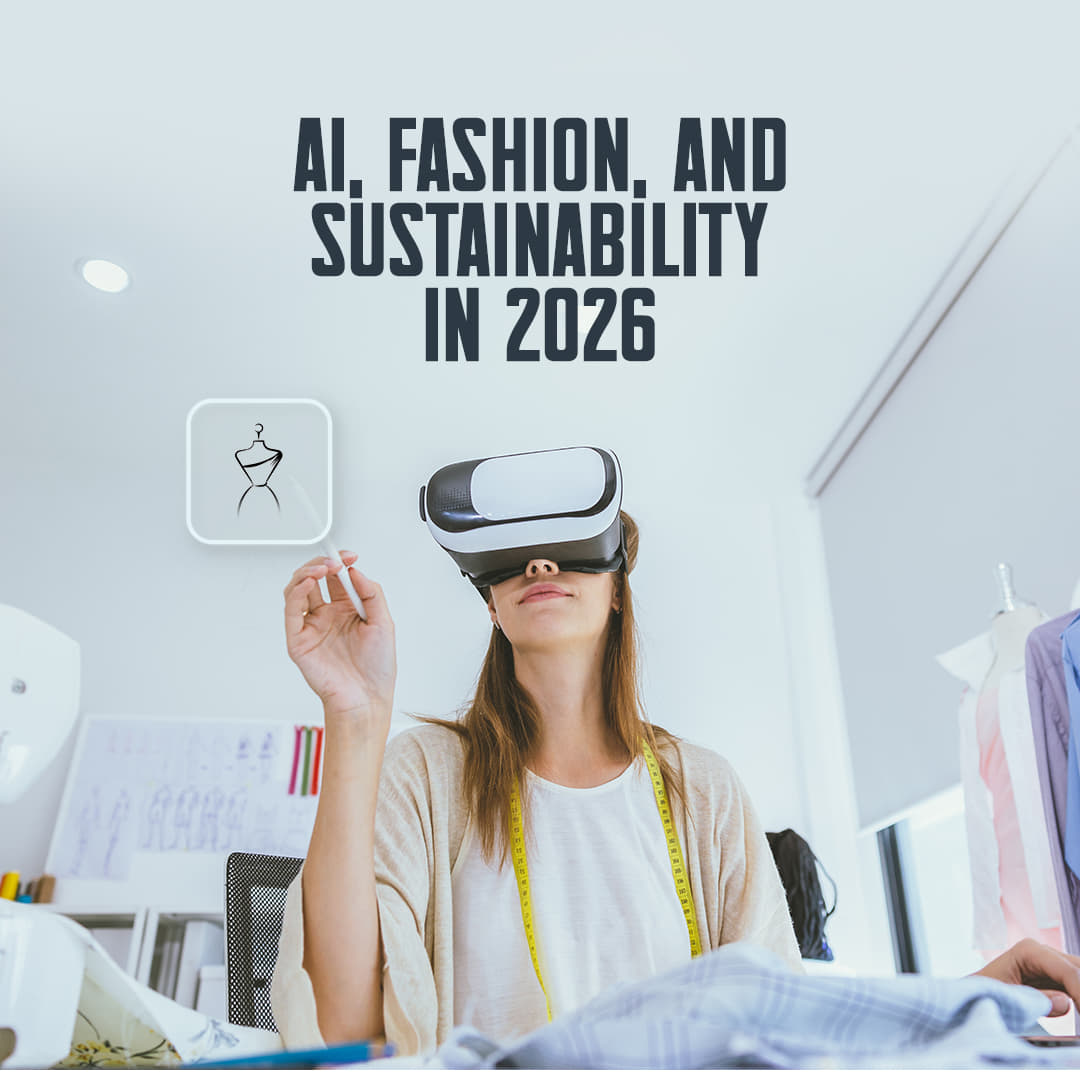
In 2026, AI-orchestrated fashion has officially moved from experimentation to infrastructure. While Tortora & Eubank (2005) advocate fashion to be a phenomenon admired by masses, AI-orchestrated fashion through designs is taking over. In today’s era, AI-based algorithms predict trends, innovate collections, and can even determine the efficacy of sustainable fashion. In essence, AI is reinventing the fashion industry. It is neutralizing the effect of technology as we are bearing witness to the birth of digital fashion.

Image Credit: Pexels
Sustainability Redefined: From Angels to Metaverse
From Victoria’s Secret to Paris Fashion Week, AI is transitioning fashion from novelty to a core tool for design, marketing, and presentation. Impetus to the core of the birth of fashion, what does this shift matter? It is relevant, often when decoding the numerous ways in which fashion has revolutionized. Ranging from historical, and status-driven styles in ancient Rome and Egypt to 20th-century’s rapid decade-by-decade shift, fashion has emerged potentially.
A study finds that less than 50% of companies use social media in the new product development process. AI makes it possible. At the heart of reinvention lies the interplay of social media and E-commerce. In recent years, the two have created a goldmine of data for fashion experts and organizations. A sudden and aggressive alignment to nature has evolved earthly color splashed throughout the advertising campaigns. For which, fashion is feeding to consumers the desire for environmental synchronization one blade of grass at a time.
Tech Driven Spectacle
In recent decades, there has been a rise of notable fashion intelligence companies supporting institutions and decisions on fashion products. MakerSights, a California based AI firm, combines factors such as social media activity, E-commerce sell-throughs, search queries, and consumer feedback. They further provide clues which are likely to be favored next. Evidently, other companies too have adopted AI into their survival strategies. This helps them overcome the barriers to entering the dome of tech-orchestrated fashion realms.
The Genesis of Sustainability
In the aftermath of 2018, the world awoke to a shocking piece of news. A whale was found dead on the coast of Indonesia, with many kilograms of plastic waste in its stomach. Bags, bottles, cups, and sandals highlighted the growing dangers of ecological imbalance. Incidents like these have also intensified the conversation around sustainable fashion vs fast fashion, as sustainability in fashion increasingly gains attention through recyclable materials and environmentally conscious practices.
At its core, AI’s most transformative potential lies in its ability to make fashion systems leaner and smarter. As we speak, in practice, many companies have already adopted similar tools enhancing the deliverables within the smart-fashion industry. While many others stuck on the timeless delivery of untenable fashion, AI-orchestrated fashion is delving deep.
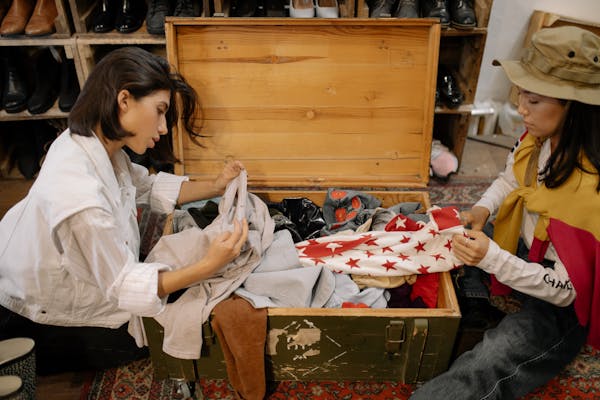
Image Credit: Pexels
A Guide to Reigning the Young Fashion
In the sphere of entrepreneurship, it is imperative that young leaders are forthcoming with new perspectives and innovations. Fashion leaders have moved past uncertainty. Although, seldom, challenges include economic volatility, evolving consumer priorities, and rapid technology disruptions. AI-driven organizations demand more agility and stronger capabilities.
AI Brings Opportunities
Companies are now reshaping workforces in order to enable AI-centric roles. A traction towards deploying automation with generative AI in selective functions has led to huge productivity gains. Such an inclusion in digital fashion may enhance work-life balance and increase productivity.
New Consumer Priorities and Competitors Strategy
Fostering consumer loyalty has always been a foremost priority for most organizations. For younger generations of leaders, consumer retention would be the utmost priority. In an industry as versatile as fashion, AI, and sustainability, thought-provoking marketing avenues include brands offering real value over price.
The Great Supply Chain Reset
The global reshuffling of international market networks is creating new challenges for the next generation to seek. Embedded in weak supplier relationships, low investments, and gaps in industrial capacities, a shift towards digitalization has safeguarded many-a-trade-offs.
Concluding Enigma
In essence, the era of digital fashion is celebrating the rise of AI-orchestrated fashion dilemmas. Seeking to ascertain the approach of young generations of leaders, AI is set to redefine the spectacle of sustainable development in the fashion industry. Therefore, the generations to come have ought to envelop their understanding of AI-orchestrated fashion.
