
CATEGORIES
Health and Wellness | Leadership & Impact | People We AdmireOverview:
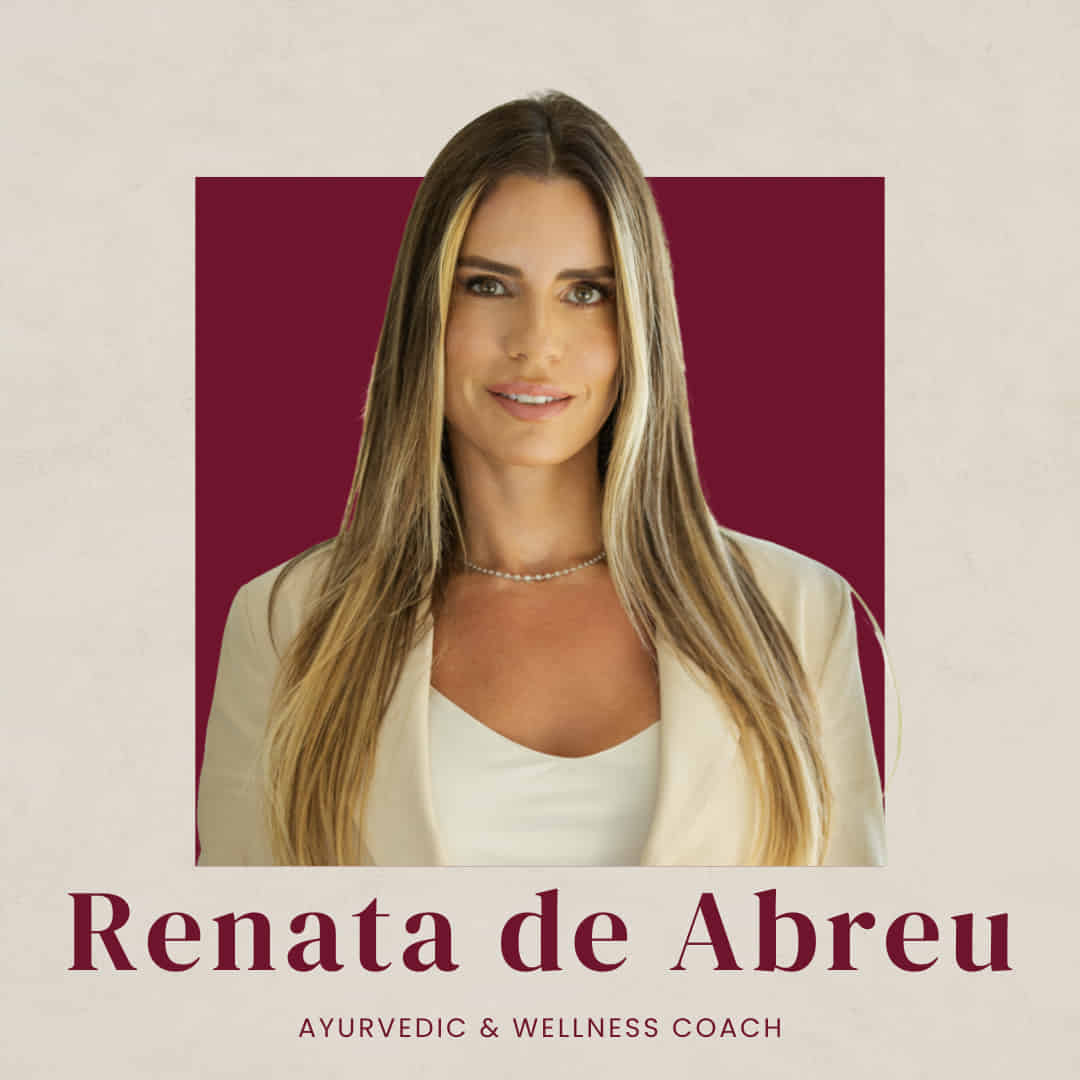
Renata’s journey is a testament to the transformative power of purpose and lifelong learning. From a childhood shaped by personal loss and a family culture rooted in discipline and healthy living, she discovered an early calling to care for others—one that evolved into a distinguished career spanning wellness entrepreneurship, luxury hospitality, Ayurveda, and holistic health. Throughout the interview, she reflects on the pivotal moments that shaped her philosophy, from pioneering innovative spa concepts in Brazil to collaborating with leading brands and redefining what authentic wellness means in a fast-paced modern world.
1. Tell us about your professional journey. What first drew you to the spa and wellness industry, and later inspired your deeper commitment to Ayurveda and holistic rejuvenation as a lifelong path and profession?
I was born into an athletics family. My father was a professional swimmer and a fighter. So, I was immersed in sports. By the age of seven, I was already competing and entering the professional side of swimming.
Unfortunately, my mother became very ill and passed away when I was young, but despite all the challenges, my father never let us fall apart. He remained strong and insisted that we maintain healthy habits. Our home was incredibly health-conscious. We never had sodas or sweets in the house. My sister and I would love to go to friends’ homes because we could eat the kinds of foods children usually enjoy, but my father was completely against unhealthy habits.
Looking back now, I realize he was right in many ways. Children should be free to be children, but those early experiences helped shape my lifestyle and made this path of wellness feel natural to me.
Since then, I carried what I can only describe as a healing mission within me. I did not fully understand it at the time, but I was always caring for others, animals, people, and especially my mother. Even at seven or eight years old, I helped care for her during her illness. I changed her diapers, cleaned and cared for her, tasks most children my age would never have taken on. It was simply something inside me: a natural desire to help, nurture, and care for others.
By the age of fourteen, I was teaching swimming lessons to children with Down syndrome at my local club. Around that time, I decided I wanted to study psychology. Then one day, while I was in university, I noticed a flyer lying on the floor. It was for a Shiatsu therapy program. I immediately thought of my mother. During her illness, she had explored every possible path toward healing, including natural therapies. I remembered a Japanese practitioner who would visit our home, placing needles in her ears and using pressure-point techniques to help relieve her pain.
That memory stayed with me. I remember thinking, “I want to learn more about this.” I enrolled in the weekend program and instantly fell in love with it. I went to my father and told him, “Dad, I want to study this.” He looked surprised and said, “But you’re already in university.” I told him, “Yes, but I want to do this alongside my studies. This is another way to help people.”
I felt it in my heart, and thankfully, he supported me completely.
My father was also passionate about exposing my sister and me to the world beyond Brazil. He strongly believed that travel and learning about new cultures would create opportunities for us. He often encouraged us to learn English from an early age because he envisioned a future where we would eventually live abroad. He even dreamed of us moving to places like New Zealand. Looking back, he always saw possibilities far beyond what was immediately in front of us.
As I continued my studies, I began traveling and exploring different healing traditions around the world. I immersed myself in aromatherapy and studied with French physicians, where I learned how essential oils could be incorporated into treatments. I studied chromotherapy and color science in Italy, learning how colors could influence emotional and physical well-being. Every place I visited opened another door, and each new experience expanded my understanding of healing.
My father loved seeing this journey unfold. Not only was I learning specialized techniques, but I was also learning languages and experiencing different cultures. He was one of my greatest supporters.
After years of travel and study, I decided to specialize in working with pregnant women. There was also a personal reason behind that decision. My father was incredibly protective of my sister and me, especially after losing our mother so early. He would jokingly tell me, “I support you in anything, but don’t work giving treatments to men.” He was very protective and, in many ways, very traditional.
So I told him, “Okay, I’ll work with pregnant women.”
Ironically, it turned out to be one of the best decisions of my career.
Very quickly, I became known for my work because, even before I had formally studied concepts like Ayurveda, I already believed in personalization. I instinctively understood that every individual who came to me had different needs. No two people should receive the same treatment.
People connected deeply with that philosophy. After sessions, I would send clients home with recommendations tailored specifically to them. I remember giving them little diffusers with colored lights and saying things like, “Use blue at night,” or “Try green in the evening.” I was excited about everything I had learned and eager to share it.
At the time, nearly thirty years ago, these ideas were very unconventional. Some people probably thought I was a little crazy. They would wonder, “What is she talking about?” But it worked. People felt the difference.
Soon afterward, I opened my first spa in my hometown, and it became an enormous success. Then came a second opportunity, and then a third, including a spa inside a beautiful hotel near my city.
That period taught me an important lesson: trust your ideas, even when they seem unusual. My father always encouraged me to believe in myself, especially when others doubted me. He would say, “Believe in your ideas, even when people think you’re crazy.”
That advice stayed with me and eventually changed my life.
Then I had what I thought was a crazy idea. My spa business would struggle during the Brazilian holiday season. During December, January, and sometimes even February, because of Carnaval, many clients would leave for vacation. Revenue would drop significantly, and keeping the business running would become difficult. My staff depended heavily on commissions, and morale would fall during those slower months.
One day, feeling frustrated, I thought: Why wait for clients to come to us? Why not go where they are?
So I had an idea to create a mobile spa experience. I bought a large Fiat Doblo with enough space for massage tables and equipment and transformed it into a branded mobile wellness concept. I wanted everything to be organized and visually striking. I have always had that kind of vision, thinking ahead and imagining possibilities before others saw them.
Many of my clients from Minas Gerais vacationed in Angra dos Reis, so I rented a house there and brought the spa to them.
That decision became one of the most important turning points of my life.
In Angra dos Reis, we brought the spa directly to where people were vacationing. We transformed that little Fiat Doblo into a fully mobile wellness experience. Everything was branded and carefully designed, not just functional, but memorable. I always believed presentation mattered. I wanted people to see it and immediately become curious.
My team and I were there booking clients, moving around, and creating experiences. We used radios to communicate and coordinate appointments. It felt innovative at the time, something very different from the traditional spa model.
Then one day, something happened that completely changed the direction of my life.
Luciano Huck, one of Brazil’s most recognized television personalities, happened to see our bright green Spa Mais Vida vehicle. He stopped and looked at it with genuine curiosity.
“Wow,” he said. “What is this?”
At that moment, I happened to be there myself. Looking back, I truly believe life places opportunities in front of us at exactly the right time. I explained the concept to him, opened the vehicle, and showed him everything inside. He was fascinated.
Then he told me, “My wife is working on something right now.”
His wife was Angélica, one of the most famous television personalities in Brazil at the time. Of course, everyone knew who they were.
He asked for my phone number.
Ten minutes later, I received a call.
“Renata,” he said, “I spoke with my wife, and we want you to be part of a campaign.”
The opportunity was for a campaign with NIVEA, featuring actress Ildi Silva, who was becoming incredibly popular at the time through television and soap operas. My role was simple: perform one of my treatments and integrate the products naturally into the experience.
Thankfully, I happened to be wearing a white jumpsuit that day. I walked in and simply did what I always did, being myself.
That campaign became a turning point.
Shortly afterward, Globo TV invited me to work on Estrelas, Angélica’s television program. Suddenly, every weekend, I was traveling from Minas Gerais to Rio de Janeiro, recording shows alongside actresses and public figures.
What they wanted from me was not only treatments, but also creativity.
Creating techniques has always felt like a gift. I have always loved developing new approaches, combining different disciplines, and creating experiences that help people feel transformed. That same passion eventually evolved into what I do today with wellness and beauty brands. I help create signature experiences and techniques designed specifically around results and human connection.
Even now, when I create facial techniques or wellness protocols, I study extensively. I want to understand why something works, not simply rely on intuition. Today, science is discussing concepts like the vagus nerve and mind-body regulation much more openly, and it is fascinating because many ideas once considered unconventional are now being supported by research.
Then another unexpected opportunity appeared.
At the time, the prestigious Fasano Hotel was looking for someone to transform its spa experience. The spa was underperforming, and the leadership team wanted change.
One Saturday, the CEO happened to see me on television.
By then, appearing on television every weekend already felt surreal. My spas were full, opportunities were expanding, and I felt deeply grateful. But this invitation was different.
I was asked to lead the spa operation at one of the most respected luxury hotel brands in Brazil.
That single opportunity became another major turning point.
Eventually, my work expanded beyond one property. I went on to oversee operations across multiple locations, including Rio de Janeiro, São Paulo, Fazenda Boa Vista, and, later, even international locations such as Punta del Este, Uruguay.
And from there, everything began to grow beyond anything I had imagined.
The lesson I carried through every stage of that journey was simple: trust your instincts, trust your ideas, and continue moving forward even when others do not yet understand your vision.
Because sometimes the ideas that seem the craziest become the ones that change your life completely.
2. After more than 20 years in leadership, what changes have you observed in the way people approach wellness and longevity? Do you notice cultural differences in how these concepts are embraced around the world?
Twenty-five years ago, I was already speaking about many of the same ideas I talk about today: natural healing, mindfulness, and the importance of balance. I certainly was not alone in the world; there were people discussing meditation, conscious breathing, and holistic health practices. In Brazil, however, these conversations were far less common.
Back then, many ideas that are widely accepted today were often misunderstood or dismissed. Take meditation, for example. People associated it with stereotypes; they would say, “Oh, that’s for hippies,” or connect yoga and meditation with drugs or fringe lifestyles. Of course, some people lived alternative lifestyles, but meditation itself had nothing to do with that. There was very little understanding of the science behind these practices.
Today, we know much more.
Research and scientific studies now confirm many things that holistic practitioners had observed for years. Meditation has been shown to help regulate stress. Breathing patterns have been linked to health outcomes. For example, people who habitually breathe through their mouths, often called oral breathers, can experience structural changes and effects on cognition and overall well-being. Years ago, almost no one was discussing these ideas openly. Today, science is exploring and validating many of them.
For me, one of the biggest shifts in wellness has been its definition.
In the past, wellness was largely equated with physical fitness. Exercise, sports, and physical performance were considered the primary pathways to health. That was wellness.
Today, wellness has become much broader and more nuanced. We now understand that slowing down, creating space for stillness, and allowing the body and mind to recover can be just as important as activity itself. In many cases, doing less can be more beneficial than constantly doing more.
When you attend a wellness retreat today, for example, you may find time intentionally built into the experience: time to rest, sit quietly, take a nap, practice yoga, meditate, or simply reconnect with yourself. That would have seemed unusual years ago.
We live in a world of constant stimulation. Phones, notifications, stress, and endless information keep our nervous systems in a state of activation. Increasingly, science is showing us that this chronic overstimulation affects our health in significant ways.
I remember studying acupuncture and pressure-point therapies early in my career. At the time, many physicians dismissed these practices entirely. People would say they had no scientific basis or that they were unrealistic ideas.
Years later, more research emerged. Medicine began exploring pathways and physiological responses connected to these treatments. Today, acupuncture is practiced and studied by physicians around the world. Medical programs incorporate it more formally, and many healthcare professionals recognize its value as part of broader approaches to wellness.
Watching that evolution has been incredibly rewarding because I spent years advocating for practices that many people once questioned.
The same happened with Ayurveda, yoga, meditation, and many holistic approaches. Some people still misunderstand these practices or assume they are connected to religion. For me, they never were.
My own spiritual path has always been deeply personal. I was raised Catholic, and today I identify as Christian. I have a close relationship with Jesus, and my faith is very important to me. But I do not see wellness practices as competing with faith. In fact, I believe practices that create stillness, awareness, and presence strengthen my connection with God.
Years ago, I would wake up and immediately check my phone, emails, messages, everything. Today, I begin differently. I start with prayer. I center myself. I breathe. I create space for silence before allowing the world to enter.
I have become more intentional about many things, even the music I listen to. Before, I focused only on rhythm. Now I pay attention to what I allow into my mind and spirit. I choose things that bring peace, encouragement, and positivity.
To me, that is awareness.
Science is increasingly reinforcing what many wellness traditions have long emphasized: the importance of regulating stress and calming the nervous system.
We often hear about the sympathetic nervous system, the fight-or-flight response. It keeps us alert, stressed, and constantly prepared for danger. But we also have the parasympathetic system, often referred to as the rest-and-digest state. This is where the body feels safe. This is where healing occurs.
That message, you are safe, is incredibly important.
Yet the world constantly sends the opposite message. We are told to worry, to stay alert, to watch our backs, to fear what might happen next.
Many inflammatory conditions and chronic health issues are now being examined through the lens of stress and nervous system regulation. We increasingly recognize the impact that prolonged stress and elevated cortisol levels can have on the body.
People often seek external solutions when they feel disconnected, whether that is alcohol, unhealthy habits, or other forms of escape. But when people feel grounded, connected, and safe, their choices often begin changing naturally.
For me, faith has played an enormous role in creating that feeling of safety.
When my dog became seriously ill, I lived in a constant state of fear and emotional exhaustion. He was like a son to me. I cared for him constantly, giving him medications throughout the day and doing everything I could.
Eventually, I reached a moment where I stopped fighting fear. I prayed and simply said, “Jesus, I place him in Your hands. Whatever happens, happens.”
And something shifted inside me.
I stopped living in fear and chose peace instead. I chose trust.
That experience reinforced something I deeply believe: healing often begins when we move from survival mode into a place of safety.
When you feel calm and connected, awareness naturally follows. Your body begins communicating with you differently. You start making better choices, not because someone tells you what to do, but because you begin listening to yourself.
You know what feels right. You know what nourishes you.
That is real wellness.
Of course, there are trends in wellness, ideas that capitalize on popularity without truly supporting health. But genuine wellness seeks something deeper. It aims to bring the body into balance and activate the body’s capacity to heal.
For me, perhaps the biggest evolution has been this: years ago, wellness often promoted one universal answer for everyone. Today, we understand something much more important:
People are different.
Different bodies. Different emotional states. Different needs. Different stages of life.
What works beautifully for one person may not work at all for another.
I learned this personally. Years ago, people would have looked at my diet and thought, “She is incredibly healthy.” I ate salads, raw foods, cold drinks, and everything that was considered ideal.
But my body was not thriving.
Through studies and experiences, including what I learned from traditions such as Ayurveda, I discovered that warm foods and cooked meals worked far better for me. Warm water became more beneficial than ice drinks. My body simply had different needs.
My father thrives on eating salads.
I do not.
And that is perfectly okay.
That, to me, represents the greatest shift in wellness. We moved from believing there was one perfect formula for everyone to understanding that health is personal.
And perhaps most importantly, we are beginning to realize that sometimes doing less creates greater transformation than doing more.
Not out of laziness, but out of respect for our rhythm, our bodies, and our need for balance.
That, for me, is the biggest change I have witnessed.
3. How do you define “luxury wellness” in a way that transcends material comfort and instead embraces a truly holistic approach to wellbeing?
Twenty-five years ago, I was already thinking this way, and thankfully, now many people are beginning to think the same way. Today, we hear much more about concepts like “quiet luxury.” We see it even among celebrities and public figures. Someone may spend a significant amount on a handbag, yet there is no visible logo. Things are changing.
In the past, if you talked about wellness and luxury together, it often meant showing off, being seen, being everywhere, displaying everything you were doing. But very often, people were disconnected from the actual moment. When you constantly feel the need to do a hundred things at once, that itself can be a sign of disconnection. You are not truly present.
Because when we are present and connected, we enjoy each moment more deeply. We do one thing at a time. We allow ourselves to fully experience where we are.
I think people are finally beginning to wake up to this reality. After so many health challenges, personal struggles, and moments where people believed they had everything but still felt empty inside, many are beginning to realize something important: authenticity matters. The real is returning.
Today, wellness feels quieter. It is about enjoying nature, simplicity, and experiences that do not necessarily cost a lot. Of course, someone can go to an expensive wellness resort and participate in extraordinary activities. But the truth is, if you are truly present, you can experience the same feelings in a simple place.
Because happiness, well-being, and wellness either exist inside of you or they do not.
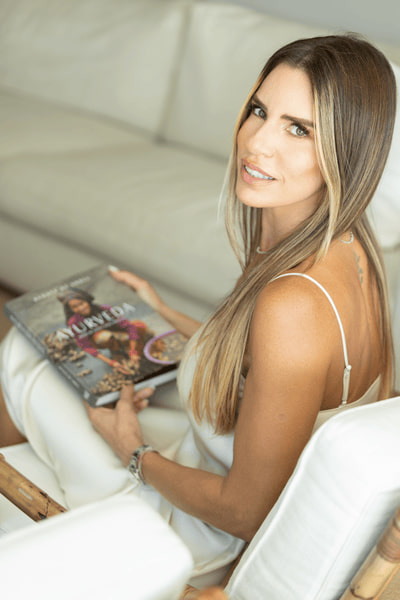
That is one of the greatest truths I have learned. It does not matter how much money you spend if you are not connected with yourself. If you do not understand the power of breathing, stillness, and the practices that create awareness, the kinds of things I discuss in my book, you may go through all the motions without truly experiencing transformation.
You can go somewhere beautiful, participate in every activity, and still walk away unchanged because you were never truly present.
That, for me, is the new wellness: a more authentic and meaningful wellness.
For example, I am currently working on a residential building project, and the inspiration I brought to its amenities is exactly this idea of “real wellness.”
Why? Because many luxury buildings today include features like cold plunges, infrared saunas, and advanced wellness technologies. And I love those things, I truly do. But many people do not actually know how to use them effectively. Sometimes they overdo them. Sometimes they approach them without understanding their purpose.
The concept behind this project is not simply adding wellness amenities; it is creating education, awareness, and community. It is about bringing people together, helping them learn, and teaching the practices that truly matter.
Because some things are far more powerful for your health than a cold plunge or an infrared sauna alone.
Those tools can be wonderful, but without awareness, without understanding what wellness really means, they become incomplete.
Real wellness is not just about the tools. It is about connection. It is about presence. It is about understanding yourself.
That is what I truly believe.
4. Was there a pivotal moment in your personal or professional journey that shaped your philosophy on healing, longevity, and conscious living?
Well, yes. When I think about my journey, my mother and my sister have always been at the center of it.
When you lose your mother at a young age and have a younger sister, something changes. In many ways, your sister becomes like your daughter. That is how it felt for me, and honestly, it still feels that way today. I’m turning 52, and she’s 50, yet somehow I still see her as much younger. Certain dynamics become part of your life and remain there forever.
Even now, our relationship sometimes feels like that of a mother and daughter. She’ll ask me for things or come to me the same way a daughter might go to her mother. That has always been our connection.
Throughout my life, everything I studied was driven by a question: How can I protect my sister? How can I help her stay healthy? How can I help prevent illness or inflammation?
She and I were always very different physically. I am exactly like my father, in my height, face, body type, and many of my characteristics. My sister was exactly like my mother. We looked completely different. As a child, I had very light blonde hair and light eyes, while she had dark hair and dark eyes like my mother. We were sisters, but physically, we seemed so different.
I’m a Cancer, and whether people believe in astrology or not, family has always been at the center of who I am. I always carried this feeling inside me: Protect your sister. Take care of your sister.
Looking back, I realize that this shaped much of my life.
But what is beautiful is that the challenge became something meaningful. Today, when I think about losing my mother, I do not think “Poor me, poor little girl who lost her mom”. Instead, I feel gratitude because that challenge shaped me into the person I became.
It inspired me to search for healing, not only for myself or my sister, but for others as well.
What truly excites me is learning something new that can help someone. Every lesson, every technique, every discovery becomes another opportunity to help both myself and others.
But I also learned an important lesson: you cannot truly help anyone if you are not well yourself.
I tried many times to help people while I was struggling internally, and it simply did not work. It is exactly like the instructions on an airplane: put the oxygen mask on yourself first, then help the child or the person beside you.
Life works the same way.
That is why every morning I invest time in reconnecting with myself. Life can pull you away from your center so easily. So I never abandoned meditation. I never abandoned breathwork. I use these practices to help manage anxiety.
I’m a woman; I experience anxiety, and if I allow anxiety to control my day, everything becomes chaotic. We cannot show up as our best selves.
But when you are centered, when you are calmer and less reactive, life flows much more easily.
Challenges happen every day. They do not disappear. But meditation, breathing, movement, and genuine connection help us respond differently.
And there is another lesson I feel compelled to share, especially with women.
Be mindful of your energy, particularly your sexual energy, and be mindful of the person with whom you choose to share it.
Energy is powerful. Love is powerful. And I have lived through moments where being connected to the wrong energy completely shifted my life. I found myself becoming a different person. I saw parts of my life move in directions that were not healthy or aligned with who I truly was.
So pay attention, not just to who you are falling in love with, but to the energy that person brings into your life.
That may be one of the most valuable lessons I can share.
Because women are powerful, intelligent, and strong, but love can sometimes pull us away from reality. Love can cloud our perception.
So how do we protect ourselves?
We stay connected to ourselves.
Because when we are truly connected, our bodies speak to us. Our intuition speaks to us. Sometimes someone walks into our lives, and our body already knows. We feel it in our gut. We sense something before our mind catches up.
But when we are disconnected, we miss those signals.
And sometimes missing those signals can cost us months, years, or painful lessons that could have been avoided.
Our bodies communicate with us constantly.
Everything we need to know is already there.
The more connected we become, the stronger that inner conversation becomes.
5. Your book promotes a holistic “way of life” rather than simply a wellness routine. What are some practical habits or daily rituals readers can begin incorporating into their lives immediately?
Yes, many. For example, one practice I recommend is waking up and beginning the day by swishing coconut oil and cleaning the tongue. This comes from Ayurveda, a traditional Indian system of wellness that has been practiced for thousands of years. Not every Indian person does this, of course, but it is a simple Ayurvedic habit that can have a meaningful impact on how you feel.
The idea is that the body has a natural ability to cleanse itself. That is part of how we survive and stay healthy. We eliminate waste through digestion, and when we wake up, we often notice a white coating on the tongue. In Ayurveda, that coating is seen as a sign of buildup in the body, which is why tongue cleaning is considered important.
Digestion is also central. Before I learned Ayurveda, I would go to the bathroom every other day, every two days, or even every three days, and I thought that was normal. But when we are not present, when we fill every hour of the day with tasks and responsibilities, even our bowel movements can become disrupted. The body receives the message that there is no time to slow down, and constipation can become a habit.
The book teaches simple ways to support digestion and help the body cleanse itself. One of those practices is oil pulling with coconut oil. Coconut oil is traditionally used because it is believed to help clean the mouth and absorb impurities. After swishing the oil, you can clean the tongue with a tongue scraper or even a spoon. In Ayurveda, this buildup is sometimes called ama, or toxins. Many people notice that even after a week of doing this practice, they feel different.
That is just one small example. The book also teaches many other daily habits, such as dry brushing the skin, taking different wellness shots depending on how you feel, and preparing simple, nourishing recipes. These are practical tips that can be added slowly into your routine.
I also offer one-on-one consultations, which usually last about an hour and a half. I ask more than 50 questions and then create a daily plan that includes diet, routine, and lifestyle recommendations. But I always tell people that everything should be incorporated little by little. If you try to change everything in one week, you may feel overwhelmed and give up after two weeks.
That is why I identify the most important starting points first. I take the same approach in the book. Once you feel more grounded, more aware, and less stressed, you naturally begin to have more energy, time, and desire to add the other practices.
The key is to move step by step. You do not need to do everything at once.
6. You have already accomplished so much across business, wellness, and humanitarian work. What goals or aspirations are you still hoping to achieve in the years ahead?
From last year to this year, I feel deeply renewed. It feels as though my life is beginning again, almost like a restart. I finally feel able to do things again without being consumed by fear or the sadness I carried for nearly two years.
Now I want to do everything.
For example, I’m speaking with a teacher from Harvard Medical School because they are launching a women’s health program, and I’m considering joining it. I want to study again. I feel ready to commit myself once more to take classes, participate, learn, and fully engage, whether online or in person. During that conversation, I want to understand what the schedule looks like and whether it aligns with this new season of my life.
There are also other exciting things happening. After spending nearly 15 years working primarily with Brazilian clients in the United States, I recently got my first American client. That has been very meaningful for me.
People would always tell me, “You’re well known in Brazil. You’re known for your work in Brazil.” And while I never cared for the word famous, I appreciated what they really meant, that my work had built trust and recognition. But part of me always wondered, What about here?
Then, around ten months ago, I was interviewed and had the opportunity to present a project I had been working on. The people involved loved it, and they represent a very important organization. They are wonderful people, and this opportunity has meant a lot to me.
I want to give this project my very best. I wake up excited every day, thinking about one more idea, one more detail, one more way to make it better. I’m truly enjoying the process.
Ultimately, what I want is for happiness to continue surrounding my mission in life.
Because I understand that we all need to work. Work keeps us active, engaged, and mentally stimulated. But in Sanskrit, there is a word, dharma, which can be understood as your purpose or mission in this existence. And if we can connect our work with that mission, that is when something beautiful happens.
That is when we wake up happy.
Because if we have to work, and we all do, what a gift it is when the work itself aligns with who we are.
Of course, there have been opportunities I have turned down because they simply did not align with my purpose. I knew I would not be happy doing them. And I think this stage of my life is allowing me to connect more deeply with the things that reflect my values and the things I truly believe in.
I want more of that.
I want God, the universe, life, whatever word you choose, to continue bringing me opportunities that align with my mission. Even this conversation right now does not feel like work to me. It gives me the same feeling.
It feels meaningful.
Knowing that something I’m sharing may help you, inspire you, or bring value to your life makes me feel like I’m fulfilling part of my purpose.
That is what moves me forward. That is what keeps me excited about life.
And I think this is important: if an opportunity makes you wake up every day feeling sad, crying, or unhappy, simply because you feel obligated to accept it, then listen to yourself. Believe in yourself enough to make a change.
Change it. And if necessary, change again.
Don’t ignore that feeling. Trust your instincts.
The things we discussed earlier, listening to yourself, paying attention to your inner voice, apply to every area of life, but especially to work, because work is something we do every day.
That doesn’t mean work has to be perfect. It doesn’t mean every day is joyful or easy. Sometimes it’s difficult. Sometimes sacrifice is required. But there should be happiness inside it.
Not every day will be amazing, but something you do every day should not consistently bring you sadness.
And as for what I hope for moving forward, I hope for more of this. More inspiration. More purpose. More opportunities that feel aligned with the life I want to live.
7. Is there a guiding philosophy, principle, or quote that has significantly influenced both your career and your life journey?
Maybe I’ve said this in different ways throughout our conversation, but one thing I strongly believe is this: be intentional about what you ingest, not only with your mouth, but with all five of your senses.
That has been a major change in my own life. I started paying much closer attention to what I watch on television, what I listen to, the conversations I have, and the environments I place myself in.
For example, some Brazilian funk music has an incredible rhythm and energy. But when you really stop and listen to the lyrics, or even think about some forms of rap music in the United States, there can sometimes be so much violence, negativity, or messaging that devalues people, especially women. Personally, I do not want to absorb or align myself with that energy because I believe we are deeply influenced by what we repeatedly expose ourselves to.
If someone watches horror movies or violent content every single day, eventually, it begins shaping thought patterns. It influences the way we think, feel, and perceive the world.
That is why I believe we need to be very intentional about everything we consume, not just media, but also friendships, relationships, and the people we surround ourselves with. We gradually become reflections of the environments and influences we choose.
I’m sure I’ve heard versions of this idea in quotes over the years, but it is something I genuinely believe: we become the result of the choices we make and what we repeatedly allow into our lives.
And the beautiful part is that it is always a choice.
We can continue on one path, or we can choose differently. We can turn in another direction, make another decision, and create a different reality for ourselves. I think that is powerful. I think that is one of the most amazing things about being human that we have that ability to do that.
And if I remember correctly, I think I even sent you three quotes about this because those ideas really stayed with me.
8. Outside of your professional work, what hobbies or personal interests bring you joy and balance?
Honestly, so much of my joy today is connected to my dog. Whenever I see her happy, I immediately feel happy too. We’ve both gone through a lot together. After my other dog passed away, she almost faded too, which is very understandable. They had spent almost ten years together.
So now, every time I see her playing with a ball, running with me on the beach, or simply enjoying life again, it brings me such deep joy. Seeing her happy makes me happy.
I also love working out. I know for some people exercise feels like “Oh my God, I have to work out,” but for me, it feels completely different. For me, it’s more like, “Ahh…” It’s something I genuinely look forward to because I’ve been involved with sports since I was very young. It gives me energy and sets the tone for my entire day.
And then there’s my connection with nature. I’m fortunate enough to live in front of the beach, so every day I can walk barefoot. That brings me joy, too.
In fact, I’ve turned down major opportunities before because they would have required me to live farther away from nature. I know how important it is for me to be surrounded by it, to feel connected to the earth, to the ocean, to greenery. I think there’s a very Brazilian, indigenous part of me that deeply needs that connection. I need to be barefoot. I need to feel surrounded by nature.
That’s when you’ll see me at my happiest.
I’m happiest when I’m relaxed, when I’m not overly concerned about appearances or things that don’t truly matter. Of course, there are occasions when I need to be polished and put together, but in my everyday life, happiness looks much simpler: a loose dress, flip-flops, nature, and peace.
That’s really me.
I’m happy in a very simple way. Very simple.

Conclusion
At the heart of Renata’s story is a simple yet profound message: healing begins with self-awareness. Whether discussing Ayurveda, luxury wellness, entrepreneurship, or personal relationships, she consistently returns to the importance of slowing down, cultivating presence, and making intentional choices about what we consume through our bodies, minds, and environments. Through innovation, compassion, faith, and an unwavering belief in following intuition, Renata has built a career that bridges science, tradition, and human connection. Her reflections remind us that the most powerful transformations often come from the simplest practices: being present, trusting ourselves, embracing change, and choosing each day to live with intention, gratitude, and authenticity.
