

Overview:
- Explores the invisible labor of housewives within the four walls of their homes.
- Highlights how motherhood at home goes unpaid, undervalued, and unseen by families.
- Examines the emotional and physical toll of lifelong caregiving without acknowledgment.
- Encourages recognition and respect for the contributions of stay-at-home mothers.
Being a mother at home 24/7 is one of the most challenging jobs a woman can have, but this role is usually undervalued and unseen. Housewives perform invisible, unappreciated, and unpaid labor. Every successful home is the product of a woman who sacrifices her time, energy, and health, often without recognition. She carries out this emotional labor within the home, attending to everyone’s needs, and rarely receiving the recognition she deserves

The Invisible Labor Behind Closed Doors
Housewives have numerous unseen duties in their daily lives, including cleaning, cooking, supervising children’s schedules, and maintaining the household. Although these duties are fundamental to family life, society often views them as normal rather than exceptional. The end effect is a heavy physical and mental burden that is frequently completely invisible and unpaid.
They continue to work without any of the benefits that working professionals enjoy, such as pay raises, promotions, and recognition. Most don’t even get a “thank you.’’ Mothers get up early, cook, clean, tend to ailing family members, and more—all while prioritising others’ needs.
A Life in the Kitchen
A lot of women use the kitchen as their main work area. They plan, prepare, and serve food there for hours on end. It eventually turns into a cage of confinement as well as a symbol of care. Have you ever imagined doing the same thing every single day in the same space, and doing it alone?
No Days Off
It’s ironic how motherhood has no weekends, no holidays, and no annual leave. Whether she is ill, tired, or emotionally drained, her duties follow her around every day. She keeps working tirelessly, and still does not receive the same care and love she so freely gives to others.
Routine Without Recognition
Boredom often strikes us if we do the same tasks twice, but for mothers, it’s the same for years. We never wonder how a person can do the same thing over and over without any appreciation or recognition. It must get mentally and physically tiring, but she still happily does it all.
The Emotional Weight
Housewives often suppress their feelings because somehow everyone seems to think it is only their job to make everyone happy. She is hurting, she is tired, she is sick most of the time, and still avoids expressing her feelings.
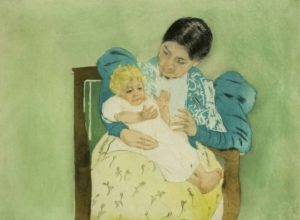
A Lifetime Within Four Walls
Many women serve their families in the comfort of their own homes for decades without complaining. An identity crisis is frequently the result of this unselfish devotion.
Missed Opportunities and Dreams
A lot of housewives once dreamed of going to school, travelling, or getting a job. However, those aspirations dwindled as they assumed family duties.
Isolation and Loneliness
Emotional isolation is common when there is little interaction outside the home. The home turns into a prison and a place of employment, denying women access to meaningful or leisure activities.
Generational Ingratitude
Even grown children frequently don’t recognise the value of their mother’s labour. They might no longer remember the restless nights and self-deprivation that influenced their childhood.
Emotional Disconnect in Families
Mothers’ emotional toil eventually becomes indiscernible. It distances mothers from the very family they have dedicated their lives to when it is taken for granted.
Breaking the Cycle: Recognition and Respect
For years, our mothers have endured unbearable pain without complaining, and now it’s time to give them unconditional love. Remember that it is always about the little things.

Small Acts of Daily Appreciation
A simple “thank you” can mean a lot. Talk to your mothers daily. Sometimes all she needs is for her family to be there for her. Provide her with a place where she knows she is also taken care of.
Sharing Household Responsibilities
It creates a huge difference when every person in the house does their share of housework. Simply like washing the dishes they ate their food in, cleaning their bedroom, or helping with the laundry tasks. Not only does this lighten the burden off the mother’s shoulder, but it also teaches the younger generation to be sensible.
Conclusion:
From preparing meals for the whole family to washing the dishes next, mothers tirelessly do it all. And even though they don’t request it, they most definitely deserve to be recognised. It’s time to honour their sacrifices.
