
CATEGORIES
#Careers #Relationship Building #Women EmpowermentOverview:
- Personal branding can feel fake, forced, and uncomfortable.
- Women’s confidence is often praised only when softened.
- Visibility creates opportunity without requiring constant performance.
- Boundaries make self-promotion feel honest, sustainable, and less cringe.
- AI handles screening and scheduling, while humans keep control of final hiring decisions.
Nobody actually likes the phrase “personal brand.” Say it out loud in a room of women under 30 and watch the flinch. It sounds like a spreadsheet with a soul, like reducing yourself to a logo and a color palette. For a lot of us, a personal brand means forced captions and a feed that seems a little too perfect. It also means the panic of turning every real thing into content.
Strip away the marketing language, though. There’s a real question underneath. How do you let people know what you do and what you’re capable of? How do you do that without running a sales booth for yourself?
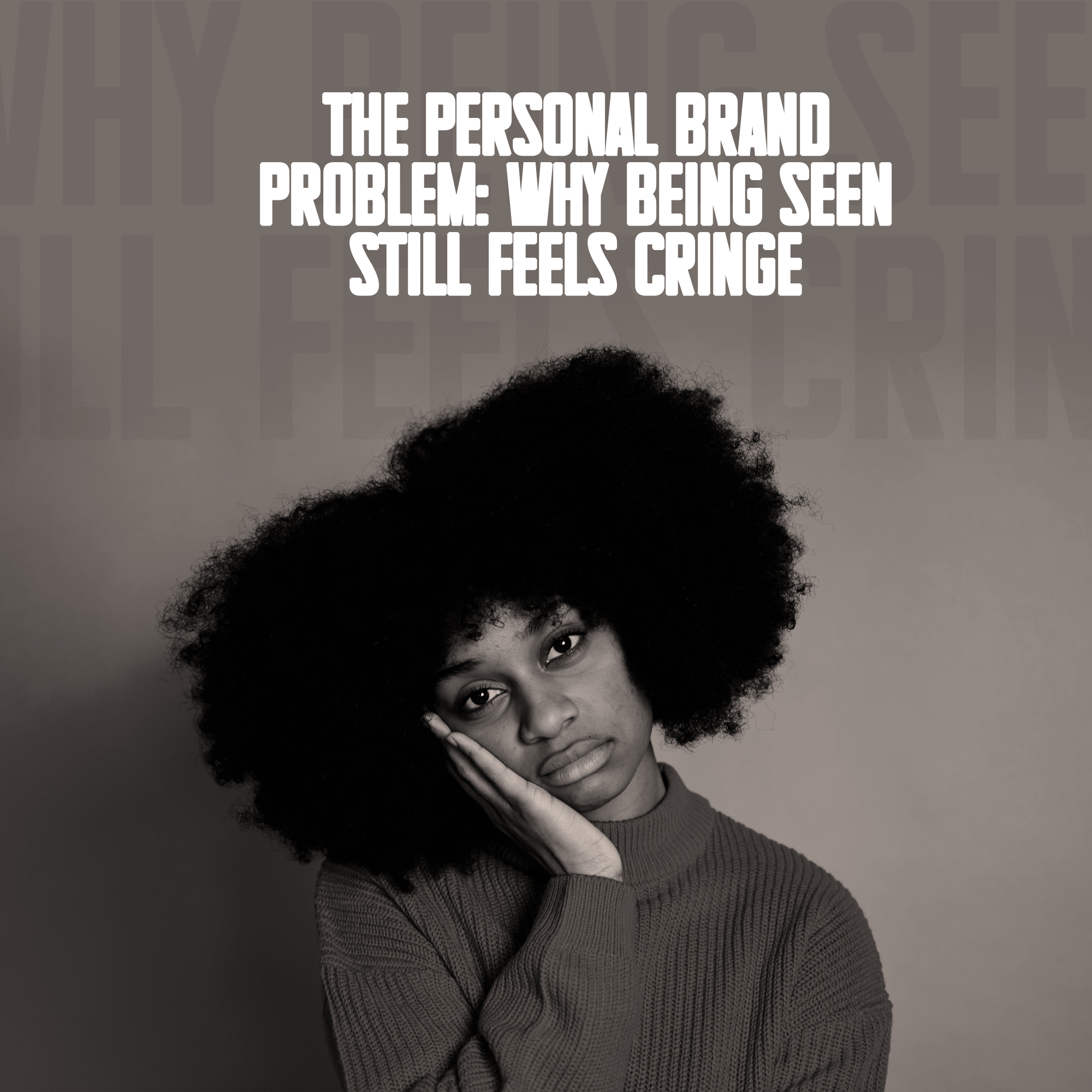
Being seen still feels awkward in a world that wants women to be impressive, not loud about it. But an online presence isn’t optional — it’s how people find your work, remember your name, and open doors you didn’t know were locked.
Why Being Seen Still Feels Cringe
Self-promotion means taking up space on purpose. That’s a strange muscle when you’ve spent years learning to shrink politely instead. You can run a project start to finish, carry a team, and learn a skill from nothing. You can still feel embarrassed saying any of it out loud. There’s a specific dread to it. What if this reads as bragging? What if people roll their eyes? What if I sound like I think I’m somebody?
Women get praised for talent, then quietly punished the moment they notice they have it. Confidence only passes as acceptable when it’s softened first. Women’s ambition only passes when it’s apologized for first. Even genuine excitement gets folded into a disclaimer, as if the achievement needs permission to exist.

On top of that, there’s an impossible standard to meet: Real, but not messy. Professional, but not stiff. Confident, but never performing it. Somewhere in there is the old idea that good work speaks for itself. It doesn’t. Good work needs someone to say what it was, what it took, and what happened because of it. Usually that someone is you.
Online Presence Is Not the Same as Performance
Personal branding gets a bad reputation. Most people picture the worst version of it: a content calendar, a persona, a life packaged and sold. That’s not what it has to be. A personal brand, done honestly, is just clarity with direction. It tells people what you do, what you value, and what perspective you bring.

None of that requires narrating your whole life. You don’t owe anyone your relationships, your bad days, or a play-by-play of your personal growth. An online presence is not the same as full access. You can be open about your work and still keep the rest of yourself closed.
An online presence says: “Here’s what I’m working on, what I’m learning and what I believe.” Performance says: “Here’s the version of me I think will get approval.”
One is a window, the other is a costume.
The Cost of Staying Invisible
There’s a logic to staying quiet. Say nothing, and nothing can be criticized. Want nothing out loud, and nobody can call it unrealistic. But that mindset only gets you so far, because silence isn’t free.
If people don’t know what you do, they can’t recommend you for it. You just don’t cross their mind when the opportunity shows up. And absence gets mistaken for inexperience, even when that isn’t the truth.
The cost shows up in specific places:
- Careers: credit for work quietly goes to whoever was loudest about it
- Business: trust is built by people who can see you working, not just claim to be good
- Creative work: the right audience can’t find something they don’t know exists
- Community: a mission nobody hears about doesn’t spread
- Networking: people remember the person who was clear, not the person who was careful

Invisibility feels safe, but it isn’t neutral — it just makes room for someone else to step into. They walk off with the credit, the seat, the opportunity that could have been yours. None of this means you need to post constantly or perform with confidence you don’t feel. It means your work deserves to be seen. Humility was never meant to mean disappearing.
How to Be Seen Without Feeling Like You’re Selling Yourself
There’s no single right way to build an online presence— no formula, no script. The answer is knowing your own limits, and shaping a version of visibility that respects them, without it feeling like you’re selling yourself.
Share what you’re learning
Expertise isn’t a requirement for having something worth saying. Think of the job you’re still learning, or the work routine you haven’t nailed down yet. What mistake actually taught you something? What idea changed how you think?
That kind of sharing feels less like self-promotion because it is not pretending to be a finished product. It is a record of attention. It shows people how you think, what you notice, and what kind of questions you ask.
A personal brand does not have to begin with a polished announcement. Sometimes it starts with the honest sentence of: “Here’s what I am figuring out.”
Talk about the work, not just the win
An announcement is a headline, a process is a story. What problem were you actually solving? What did you contribute that wasn’t obvious? What did it cost you to get there? Answer those, and you’ve moved from showing off to being worth listening to.
People don’t connect with polished outcomes as much as they connect with the journey that created them. That’s where authenticity lives; the late draft, the part nobody saw, the thing you nearly gave up on before it clicked.
A win can impress people, but the process lets them understand you. It turns your online presence from a highlight reel into something with memory.
Choose what you want to be known for
Pick just 2-3 themes that feel honest to your current work and future goals. Don’t force yourself into topics just because they seem marketable. Some niches include:
- Women in business
- Writing or content creation
- Tech or creative design
- Entrepreneurship or social impact
- Wellness or community engagement
A clear thread gives people a reason to remember you. A dozen scattered ones give them nothing to hold onto. Over time, your personal brand becomes less about what you announce and more about what people quietly begin to associate with your name.
Use your real voice, and set your own boundaries
You don’t need to sound like you came out of some LinkedIn influencer bootcamp. Plain, specific, human language beats polish every time. And you’re still allowed to keep most of your life offline — just decide what’s public, what’s private, and what stays with the people who already have it.
Your voice is allowed to sound like you, not like a caption template. It can be thoughtful, direct, funny, soft, messy around the edges, or still developing. Boundaries matter here because being seen should not feel like being consumed.
A healthy online presence gives people access to your work and perspective, not unlimited access to you.
Conclusion
The discomfort around self-promotion is real, especially if you were raised to be capable but not conspicuous about it. But hiding isn’t humility. It just means the right people never find what you built. An online presence requires letting your actual work, values, and voice be visible enough to be understood. The goal was never to sell yourself or build a personal brand for show. It was to stop hiding what already had value.
