
Overview:
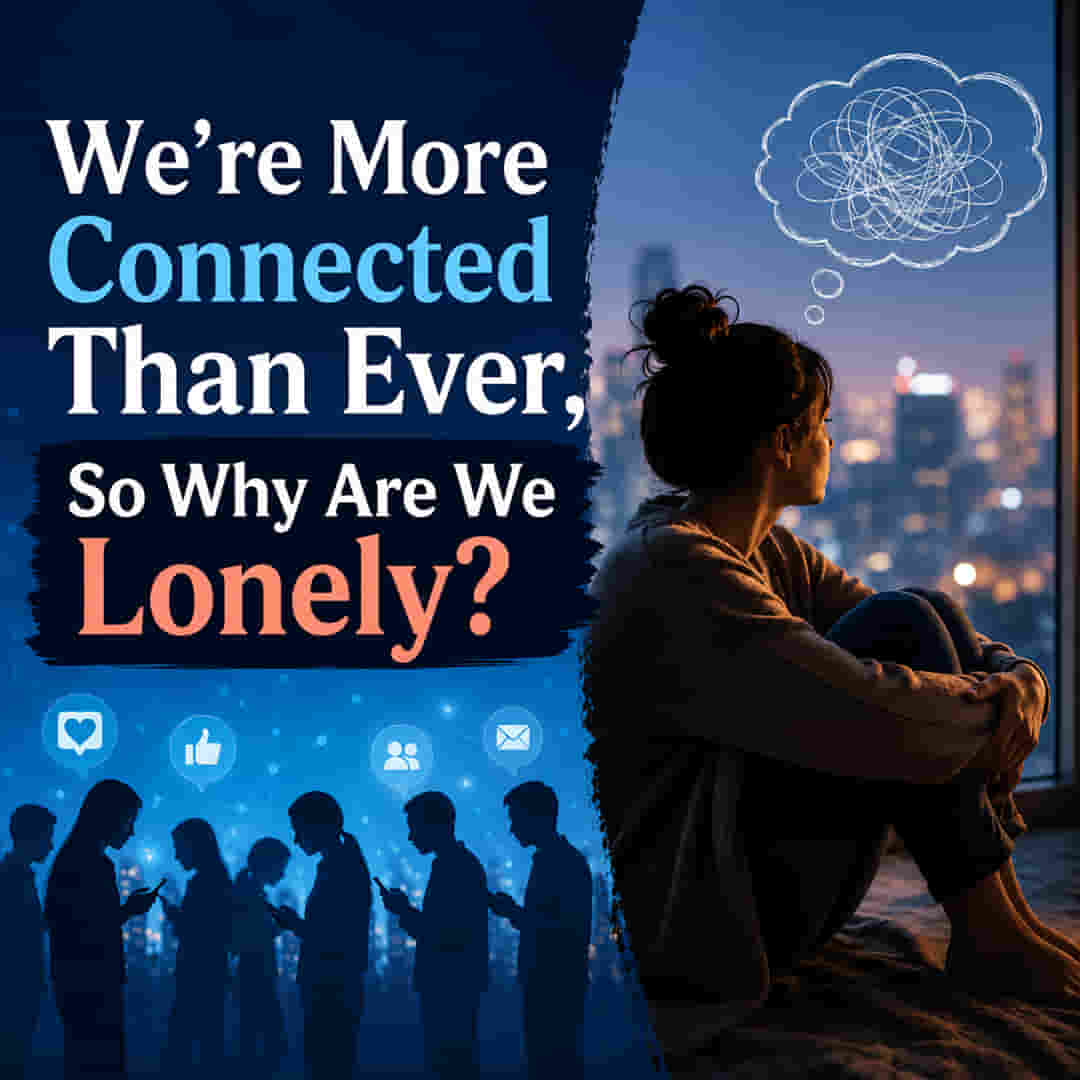
- Discover why true belonging comes from presence, not just communication.
- Explore why loneliness persists in our most connected generation.
- See how technology shapes the way we form and maintain relationships.
There was a time when hearing from someone required a little patience. You made plans days in advance, knocked on a friend’s door, or waited for the phone to ring. If someone lived far away, you wrote long messages and hoped they would reply when they could.
Now, we carry everyone in our pockets.
With one tap, we can send a message across the world, watch someone’s day unfold through a story, or reconnect with an old classmate we have not spoken to in years. We have more ways to reach each other than any generation before us, and yet more people are asking the same question: why are we lonely in the digital age?
It feels strange to admit. We are always surrounded by conversations, notifications, and updates, but there are still days when the silence feels louder than ever. Maybe that is because being connected and feeling connected are not always the same thing. Somewhere between endless communication and endless scrolling, many of us have started to miss the simple feeling of belonging.

Image Credit: Pexels
The Strange Feeling of Being Connected All the Time
Nobody really prepared us for what constant connection would feel like.
Most of us wake up and reach for our phones before we even leave bed. We answer messages during breakfast, reply to emails at work, react to photos during lunch, and send memes to friends before going to sleep. We are talking to people all day long, but sometimes those interactions feel more like checking a box than sharing a moment.
Maybe you’ve had one of those days where you’ve been “with” people from the moment you wake up. You have replied to messages, reacted to stories, sat through online meetings, and kept up with every group chat. By any measure, you have spent hours interacting with other people. Yet when the day ends and you finally put your phone down, you cannot shake the feeling that nobody really knows how you are doing.
The strange thing about why we are lonely in the digital age is that loneliness does not always come from being alone. Sometimes it comes from feeling unseen in the middle of all the noise. The people around us know what we are doing, but not always what we are carrying.
When Everyone Knows What You’re Doing, But Nobody Knows How You Are
Social media has changed the way we stay in touch. It helps families stay close across countries, allows old friends to reconnect, and creates communities for people who might otherwise feel alone. There is something genuinely beautiful about that.
At the same time, it has also changed what we choose to share.
Most of us post the moments that make life look exciting. We share the promotion, the trip, the dinner with friends, or the picture where everything seems to be falling into place. We rarely post the ordinary Tuesday when we feel uncertain, overwhelmed, or lonely ourselves.
After a while, it becomes easy to believe that everyone else has figured life out. We doomscroll through carefully chosen moments and compare them with the messy reality of our own lives. We know where people are, what they are doing, and who they are spending time with, but we often have no idea what they are actually feeling.
Maybe that is why conversations about social media and loneliness have become so important. The issue is not simply how much time we spend online. It is also what we believe while we are there. We compare our behind-the-scenes lives with everyone else’s highlight reel, and that comparison quietly convinces us that we are the only ones still trying to figure things out.

Image Credit: Pexels
The Difference Between Connection and Belonging
There is a quiet difference between being connected and feeling like you belong.
Connections are easy to count. It looks like followers, group chats, contacts, and notifications. Belonging is harder to measure. It is the friend you can call when your day falls apart. It is the family member who notices that something feels different. It is the person who asks, “How are you really doing?” and waits for the honest answer.
We often think loneliness means having no one around us, but that is not always true. Some of the loneliest moments happen in crowded rooms or busy group chats. They happen when we feel like we have to keep performing instead of simply being ourselves.
Why Belonging Matters More Than Ever
People have always needed community. Long before the internet, we survived by depending on one another. We shared stories, meals, responsibilities, and ordinary moments that slowly built trust. That need has not disappeared just because technology has made communication easier.
Maybe that is why digital loneliness feels so confusing. We have access to more people than ever before, but access is not the same as closeness. Having hundreds of conversations does not replace having one person who truly understands you.
Perhaps the real question is not why we are lonely in the digital age, but whether we have started confusing communication with connection.

Image Credit: Pexels
The Little Things We Lost Along the Way
Maybe loneliness did not arrive because technology failed us. Maybe it arrived because life became busier than we ever expected.
We answer texts while walking, eat dinner while scrolling, and fill every quiet moment with another notification. We are so used to being available that we rarely give ourselves time to simply be present. Silence has become something we try to avoid instead of something we can sit with.
At the same time, many of the places where friendships naturally grew have slowly disappeared. People move cities for work, spend less time in their neighborhoods, and work remotely from bedrooms or cafés. Even when we are surrounded by people, we often move through our days without stopping long enough to know them.
The Return of Small Communities
Maybe that is why book clubs, hobby groups, volunteering, and local communities have become so meaningful again. They give us something the internet often cannot: the chance to show up exactly as we are and slowly build trust over time.
It turns out that belonging often starts with the smallest things. Seeing the same faces every week, remembering someone’s coffee order, or having a friend who notices when you have been quiet can make the world feel a little less lonely.

Image Credit: Pexels
Finding Our Way Back to Each Other
The answer is probably not to delete every app or throw our phones away. Technology has helped people build friendships across countries, reconnect with loved ones, and find communities that make them feel seen. For many people, those spaces matter, and they always will.
Maybe the real challenge is learning how to use these tools without letting them replace the moments that make us feel human.
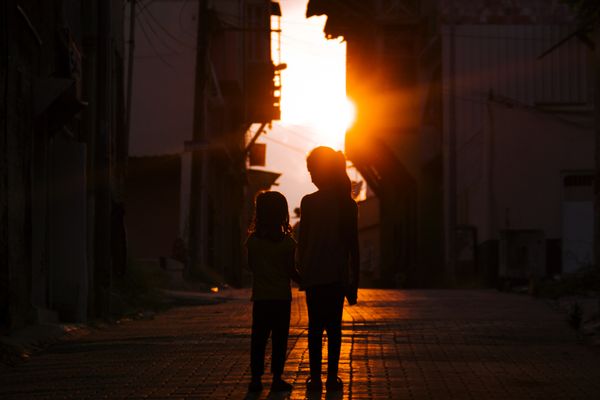
Image Credit: Pexels
Building a Life That Feels Connected
Sometimes that looks like putting your phone away during dinner. Sometimes it means calling a friend instead of sending a reaction emoji. Sometimes it means saying yes to a walk, joining a local club, or asking someone to stay a little longer after coffee.
The little things often become the big things. A conversation turns into a friendship. A shared interest becomes a sense of belonging. A small act of kindness reminds someone that they are not as alone as they thought they were.
Maybe that is what we are all searching for. Not more followers or more notifications, but more moments where we can be ourselves without feeling like we have to perform. Because in the end, the opposite of loneliness is not constant connection. It is knowing that there is a place where you can simply show up and be known.
Conclusion
Maybe the question is not really why we are lonely in the digital age. Maybe the better question is what kind of connection we have been searching for all along. Technology can help us stay in touch, but belonging still grows the old-fashioned way, through time, honesty, and shared moments. In a world that never stops talking, perhaps the most meaningful thing we can do is slow down long enough to truly be there for one another.
