
🎧 Listen to this article:
CATEGORIES
#Mental Health #Mental Health & Well-Being #PsychologyOverview:
- Understanding body dysmorphia involves recognizing persistent concerns about perceived physical imperfections and their impact on mental health.
- Identifying symptoms includes recognizing emotional distress, repetitive grooming, mirror checking, reassurance seeking, and social avoidance.
- Exploring causes and risk factors involves examining genetic influences, childhood experiences, societal beauty standards, and coexisting mental health conditions.
- Understanding treatment options includes cognitive behavioral therapy (CBT), medication, and professional mental health support.
- Managing body dysmorphia involves developing healthy coping strategies, limiting exposure to unrealistic beauty standards, and seeking appropriate support.
- Supporting individuals with BDD requires empathetic communication, family involvement, access to mental health resources, and continued professional care.
Body dysmorphia, also known as body dysmorphic disorder (BDD), is a mental health condition characterized by persistent concerns about perceived flaws in physical appearance. These concerns can cause significant emotional distress and interfere with daily activities, relationships, and overall well-being.
This article provides a comprehensive overview of body dysmorphic disorder, covering symptoms, causes, diagnosis, treatment options, and prevention strategies. It underscores the debilitating effects of untreated BDD while emphasizing the importance of professional guidance. Girl Power Talk is committed to helping individuals navigate mental health challenges by fostering understanding, access to resources, and compassionate care.
Understanding Body Dysmorphia (BDD)
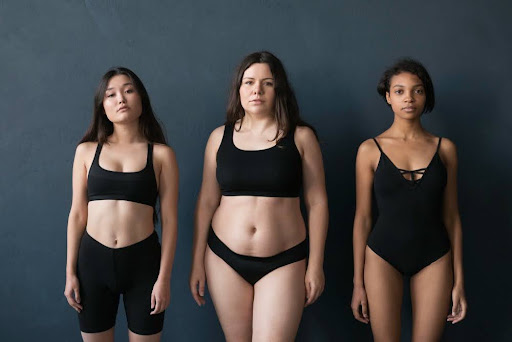
Body dysmorphic disorder is distinguished by a fixation on one or more perceived physical imperfections, leading to significant emotional distress and behavioral disruptions.
What is Body Dysmorphic Disorder (BDD)?
BDD profoundly affects an individual’s mental and emotional health by creating a constant, distressing awareness of supposed flaws. It often leads to avoidance of mirrors, social situations, or excessive efforts to “fix” perceived imperfections through grooming or cosmetic procedures.
- BDD is distinct from general dissatisfaction with body image, as it involves obsessive thoughts and compulsive behaviors tied to specific perceived defects. These impacts go beyond ordinary concerns about appearance and can significantly impair daily life.
- A common misconception is that BDD is superficial; however, it is a mental health condition rooted in anxiety and compulsiveness, not vanity.
Who Does Body Dysmorphic Disorder Affect?
Individuals from varied backgrounds are susceptible to BDD, though certain groups are more at risk due to social, cultural, or biological influences.
- Adolescents and young adults are particularly vulnerable, with societal beauty ideals playing a significant role. Research highlights that social media platforms amplify unrealistic beauty standards, fueling insecurities.
- Cultural factors, such as societal emphasis on appearance and gendered expectations—for instance, women objectified for beauty or men pressured to achieve ‘ideal’ physiques—further shape BDD prevalence.
- The constant exposure to filtered images and curated lives online often heightens preexisting insecurities, making these environments significant contributors to body dysmorphia.
Epidemiology and Demographics of BDD
Body dysmorphic disorder is a widespread mental health condition that impacts millions worldwide.
- Globally, BDD affects an estimated 1.7%–2.9% of the population, though many individuals remain undiagnosed due to stigma or lack of awareness.
- Research suggests higher rates in urbanized areas where cultural and societal pressures regarding appearance are more pronounced.
Symptoms and Signs of Body Dysmorphia
Recognizing the signs and symptoms of body dysmorphia is important for understanding its impact and seeking appropriate support.
What Are the Symptoms of Body Dysmorphic Disorder?
People with BDD show physical, emotional, and behavioral symptoms that interfere with daily functioning and relationships.
- Physical symptoms often involve excessive grooming, makeup application, or surgical alterations to ‘fix’ perceived flaws.
- Emotional symptoms include shame, anxiety, and depression, typically related to body image concerns.
- Obsessive behaviors manifest in constant checking of mirrors, seeking reassurance, or avoiding social interactions to hide the perceived imperfections. Visual triggers, comments, or stress can worsen symptoms.
Behaviors and Preoccupations of BDD
BDD drives compulsive behaviors, reflecting the ongoing distress individuals face daily.
- Behaviors include repetitive actions like skin picking, excessive grooming, or changing outfits frequently to mask insecurities.
- These preoccupations often consume individuals, causing professional, academic, or social disruptions due to fear of judgment from others regarding their appearance.
When to See a Doctor for BDD
Early recognition of severe symptoms is crucial in managing BDD effectively.
- Warning signs indicating the need for professional help include extreme distress, avoidance of daily activities, or thoughts of self-harm.
- Family members or friends can play a vital role by expressing concern empathetically, encouraging professional consultation, and avoiding comments focused on appearance.
Causes and Risk Factors of Body Dysmorphia
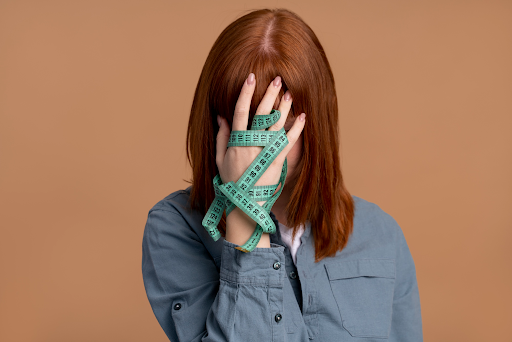
Body dysmorphia may develop through a combination of biological, psychological, and environmental factors.
What Causes Body Dysmorphic Disorder?
The root causes of BDD include genetic predispositions as well as environmental stressors.
- Genetic influences, such as family history of mental health conditions, may contribute to greater predisposition for BDD. Many studies indicate altered brain activity in regions associated with visual processing and emotional regulation.
- Childhood bullying, family trauma, or criticism regarding one’s appearance can set the foundation for body image disorders to develop later in life.
Risk Factors for Developing BDD
BDD risk factors are often linked to pervasive societal pressures emphasizing perfection.
- Unrealistic beauty standards, influenced by media portrayals of unattainable physiques, increase insecurities, especially among youth.
- Individuals with comorbidities like anxiety disorders, depression, or obsessive-compulsive disorder (OCD) often face heightened susceptibility to developing body dysmorphia.
Complications of Untreated Body Dysmorphia
Failure to address symptoms of body dysmorphia can lead to compounding mental and physical health consequences.
- Untreated BDD may escalate to severe depression, social anxiety, eating disorders, or self-harm.
- Physical health can also be affected, especially from risky cosmetic surgeries or unhealthy eating patterns triggered by a distorted body image.
Body Dysmorphia Treatment and Recovery Options
Various treatment options for body dysmorphia can help individuals manage symptoms, reduce emotional distress, and improve their quality of life.
How is Body Dysmorphic Disorder Treated?
Psychotherapy is a primary approach to help individuals with BDD.
- Cognitive-behavioral therapy (CBT) is a proven method for restructuring negative thought patterns and reducing compulsive behaviors associated with BDD.
- Diagnosis relies on clinical assessments based on the Diagnostic and Statistical Manual of Mental Disorders (DSM-5) criteria to confirm symptom severity and associated behaviors.
Pharmacotherapy and Medication Options
Medications can complement therapy in managing some of the underlying symptoms of BDD.
- Selective serotonin reuptake inhibitors (SSRIs), such as fluoxetine, are commonly prescribed to reduce obsessive thought patterns.
- Patients must be informed about possible side effects, including nausea or drowsiness, and monitored for efficacy during treatment.
Self-Help Tips for Managing Body Dysmorphia
In addition to professional treatment, practical strategies can support emotional well-being and symptom management.
- Build a Positive Environment: Limit time spent on social media platforms that reinforce unrealistic beauty standards and seek relationships centered on empathy and validation rather than physical appearance.
- Practice Self-Care Strategies: Mindfulness exercises, such as guided meditations available on platforms like Headspace, can reduce stress. Focusing on skills, talents, or achievements unrelated to appearance nurtures and helps in boosting self-esteem.
When to Explore Advanced Treatment Options
For severe cases not responding to outpatient therapy, advanced interventions may be necessary.
- Intensive inpatient programs specifically tailored to body dysmorphic disorder offer comprehensive care in controlled environments.
- Combining pharmacotherapy with intensive therapy may offer better outcomes for individuals struggling with unmanageable symptoms.

Prevention and Support Resources
Awareness and proactively promoting healthy self-perceptions are central to reducing BDD’s prevalence.
How Can BDD Be Prevented?
Prevention of body dysmorphic disorder begins with early psychoeducation and societal change.
- Educators and parents can promote open discussions on body positivity, especially in environments where appearance-based bullying might occur.
- Media literacy campaigns teaching discernment regarding photo editing and advertising provide valuable tools in deconstructing harmful beauty narratives.
Helpful Resources for BDD Support
For those diagnosed with or supporting someone battling BDD, various resources assist.
- Mental health organizations and local therapy centers provide access to group therapy sessions or one-on-one counseling services.
- Apps like Calm offer mindfulness tracking for emotional well-being alongside teletherapy tools, connecting individuals to professionals online.
Living With Body Dysmorphia
Living with body dysmorphia can involve ongoing emotional challenges, making professional support, effective coping strategies, and continued care important.
Related Mental Health Conditions
BDD often coexists with other mental health conditions, complicating diagnosis and treatment.
- Social anxiety, depression, or eating disorders frequently overlap, creating additional layers to address during therapy. Conditions such as OCD share similar compulsive behavioral patterns seen in BDD.
Tips for Families Supporting Someone with BDD
Caregivers play an essential role in promoting recovery.
- Reassure loved ones with empathetic conversations while steering away from focusing on appearance-based criticisms. Ensure that behaviors reinforcing negative thought loops are avoided.
Next Steps for Individuals Affected by BDD
Creating a structured treatment plan and building a strong network is vital for long-term progress. Continued collaboration with professionals ensures resources and guidance remain accessible.
Conclusion
Recognizing body dysmorphia and understanding its impact on mental health are important steps toward seeking appropriate support. Treatment options such as cognitive behavioral therapy (CBT) and medication can help individuals manage symptoms and address persistent concerns about physical appearance. Greater awareness of body dysmorphic disorder can also reduce stigma and encourage compassionate conversations around mental health. Girl Power Talk supports individuals by promoting awareness, understanding, and access to mental health resources.
